 EN
EN

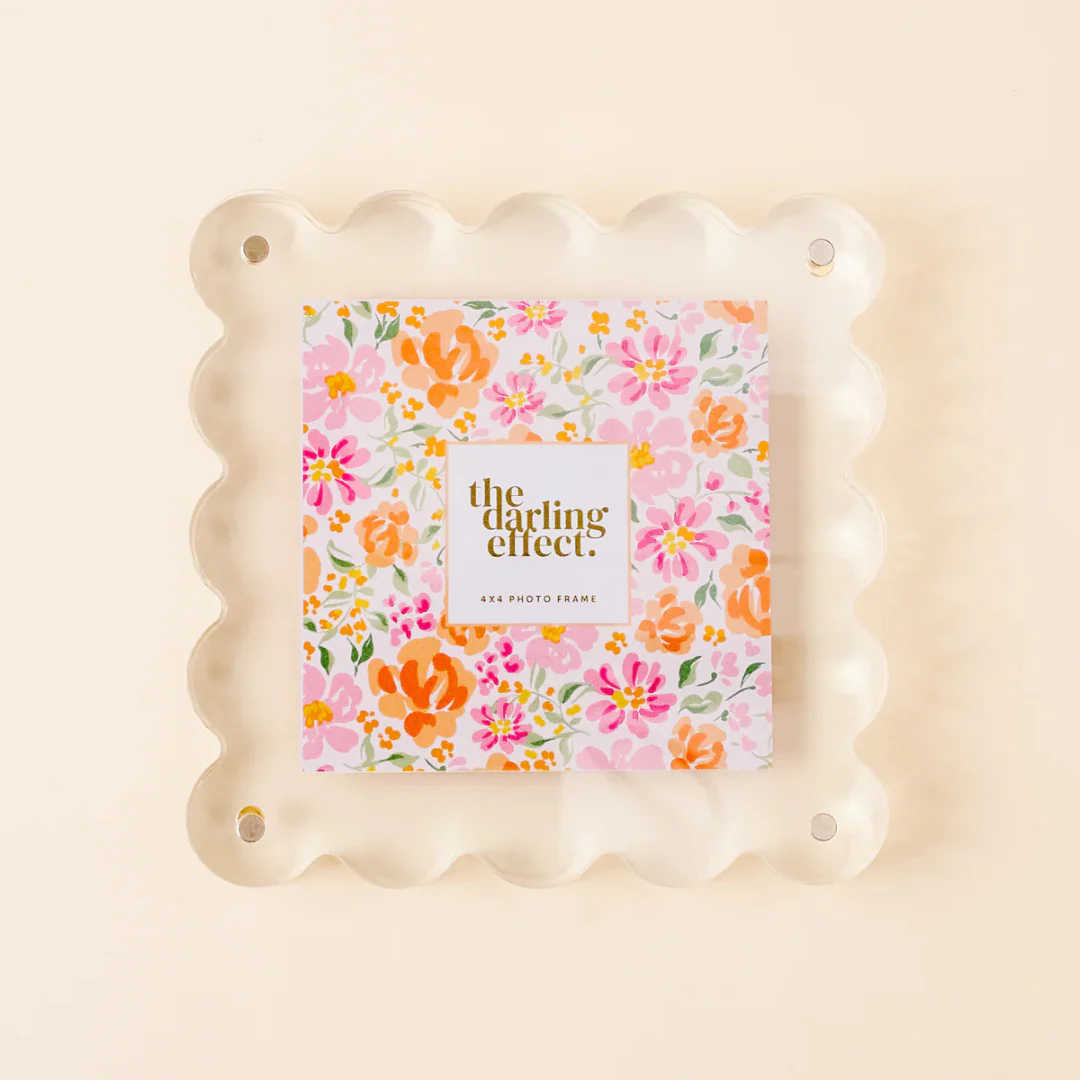
Modern home design in 2025 continues to evolve with fresh perspectives on interior aesthetics, and the humble picture frame plays a pivotal role in this transformation. Contemporary homeowners are moving beyond traditional ornate frames toward sleek, minimalist designs that complement today's architectural trends. The right picture frame can elevate artwork, photographs, and memorabilia while seamlessly integrating with modern decor schemes. Understanding current frame styles helps homeowners make informed decisions that enhance their living spaces while reflecting personal taste and contemporary design principles.
Contemporary Minimalist Frame Designs
Clean Line Aesthetics
The minimalist movement has profoundly influenced modern picture frame design, emphasizing clean lines and uncluttered appearances. These frames typically feature thin profiles with geometric precision, creating subtle borders that don't compete with displayed content. Materials like brushed aluminum, matte black metal, and natural wood with minimal finishing dominate this category. The beauty lies in their restraint, allowing artwork and photographs to take center stage while providing necessary structural support and visual definition.
Modern minimalist frames often incorporate floating mount systems that create the illusion of artwork suspended within the frame. This technique adds depth and dimension while maintaining the clean aesthetic that defines contemporary design. The gap between the image and frame creates visual breathing room, making spaces feel more open and uncluttered. Professional galleries have long used this approach, and it's now accessible for residential applications.
Material Innovation in Minimal Design
Today's minimal picture frame designs utilize innovative materials that blend functionality with aesthetic appeal. Powder-coated metals offer durability while maintaining sleek appearances, while composite materials provide lightweight alternatives without sacrificing strength. Recycled aluminum frames appeal to environmentally conscious consumers, combining sustainability with modern aesthetics. These materials resist warping, fading, and corrosion, ensuring long-term performance in various indoor environments.
Advanced manufacturing techniques enable incredibly thin frame profiles that were previously impossible to achieve. Precision engineering allows for frames as narrow as quarter-inch profiles while maintaining structural integrity. This technological advancement supports the minimalist philosophy of reducing visual weight while maximizing impact. The result is frames that virtually disappear, creating seamless integration between displayed content and surrounding walls.
Bold Statement Frame Styles
Oversized Frame Impact
While minimalism dominates many modern homes, bold statement frames create dramatic focal points that command attention. Oversized frames work particularly well in spaces with high ceilings or large wall areas where proportional balance is essential. These frames often feature substantial widths ranging from three to six inches, creating impressive borders that transform ordinary artwork into commanding installations. The key to successful oversized framing lies in selecting pieces that can support the visual weight of substantial borders.
Statement frames excel when displaying large-format photography, abstract art, or architectural prints that benefit from generous borders. The additional space creates breathing room around artwork while establishing clear boundaries between different wall elements. Interior designers frequently use oversized frames to create gallery walls that maintain cohesion despite varied content sizes. This approach works particularly well in contemporary lofts, modern townhouses, and homes with open floor plans where visual anchoring is crucial.
Color and Texture Variations
Bold statement frames embrace color and texture in ways that minimal designs avoid, offering opportunities for creative expression and personality injection. Deep jewel tones like emerald green, sapphire blue, and rich burgundy create sophisticated contrast against neutral wall colors. Metallic finishes including copper, brass, and rose gold add warmth and luxury to modern interiors. These choices require careful coordination with existing color palettes but can transform spaces when properly executed.
Textured frame surfaces introduce tactile elements that engage viewers on multiple sensory levels. Options include brushed finishes, hammered metals, and wood grains that catch light differently throughout the day. Some contemporary designs incorporate mixed materials, combining smooth metals with rough wood or polished surfaces with matte accents. These combinations create visual interest while maintaining modern sensibilities that align with current design trends.
Floating and Shadow Box Options
Three-Dimensional Display Solutions
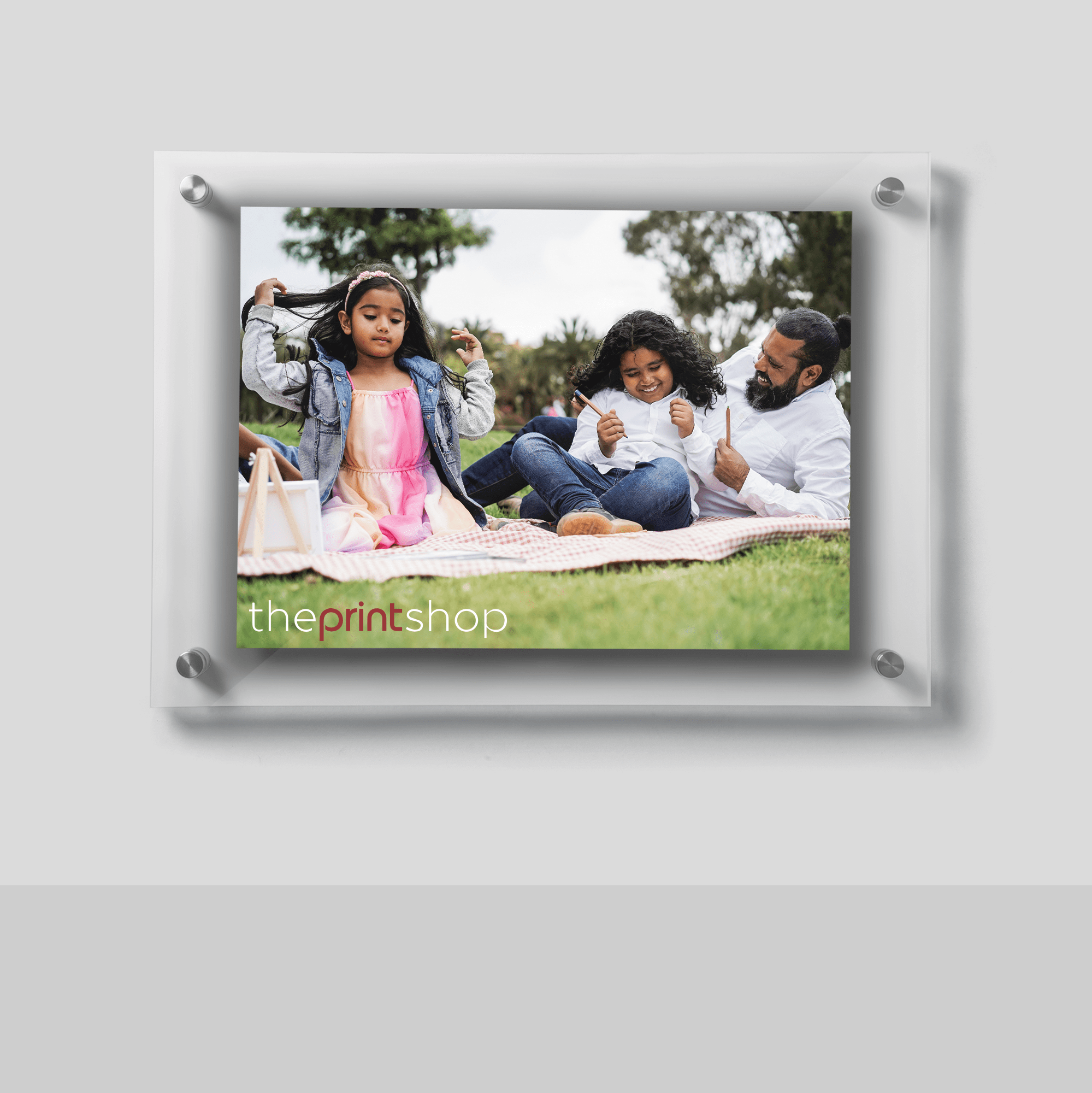
Modern homes increasingly incorporate three-dimensional display options that extend beyond traditional flat picture frame applications. Shadow boxes and floating frames accommodate objects, memorabilia, and artwork that require depth for proper presentation. These solutions are particularly valuable for displaying sports memorabilia, vintage items, or mixed-media artwork that combines flat and dimensional elements. The depth creates opportunities for creative lighting effects and viewing angles impossible with conventional frames.
Contemporary shadow box designs feature clean lines and minimal hardware that maintain modern aesthetics while providing functional depth. Removable backing systems allow for easy content changes, while museum-quality materials protect valuable items from environmental damage. Advanced mounting systems accommodate various object weights and sizes, from delicate botanical specimens to substantial collectibles. For collectors seeking professional-grade display solutions, specialized frames like the picture frame options offer museum-quality presentation for valuable collections.
Acrylic and Glass Innovations
Modern floating frame designs utilize advanced acrylic and glass technologies that provide superior clarity while maintaining minimal visual presence. High-grade acrylic offers shatter resistance and lighter weight compared to traditional glass, making it ideal for large format displays or homes with safety concerns. Anti-reflective coatings reduce glare from artificial and natural lighting, ensuring optimal viewing under various conditions. These materials support the contemporary preference for clean, unobstructed views of displayed content.
UV-filtering capabilities protect valuable artwork and photographs from light damage while maintaining crystal-clear visibility. Some advanced glass options incorporate smart features like switchable opacity or integrated LED lighting systems. These innovations represent the cutting edge of frame technology, appealing to tech-savvy homeowners who appreciate functional design elements. The seamless integration of technology with traditional framing principles exemplifies modern design philosophy.
Sustainable and Eco-Friendly Frames
Recycled Material Applications
Environmental consciousness increasingly influences picture frame selection, with sustainable materials gaining popularity among modern homeowners. Recycled aluminum frames offer durability and style while reducing environmental impact compared to newly manufactured alternatives. Reclaimed wood frames provide character and sustainability, often featuring unique grain patterns and weathering that adds authenticity to modern interiors. These materials align with broader sustainability trends while maintaining aesthetic appeal that complements contemporary design principles.
Bamboo frames represent another eco-friendly option that grows rapidly and requires minimal processing compared to hardwood alternatives. The natural color variations and grain patterns in bamboo create subtle visual interest while supporting sustainable forestry practices. Some manufacturers offer frames made from recycled ocean plastics, addressing both waste reduction and functional needs. These innovations demonstrate how environmental responsibility can align with modern design aesthetics without compromising quality or appearance.
Local Manufacturing Benefits
Supporting local frame manufacturers reduces transportation emissions while often providing superior quality control and customization options. Local artisans frequently offer unique designs that reflect regional aesthetics and materials, creating distinctive looks unavailable through mass production. This approach supports community economies while reducing environmental impact associated with long-distance shipping. Many local manufacturers also provide repair and restoration services, extending frame lifespan and reducing waste.
Custom local manufacturing enables perfect sizing for unusual artwork dimensions, eliminating waste associated with standard size limitations. Artisan framers often use traditional joinery techniques that create stronger, longer-lasting connections compared to mass-produced alternatives. The personal relationships developed with local suppliers facilitate ongoing service and support that enhances the overall ownership experience. This approach aligns with modern values emphasizing community support and environmental responsibility.
Digital Integration and Smart Frames
Technology-Enhanced Display Options
The intersection of traditional framing with digital technology creates new possibilities for modern home display systems. Smart frames incorporate high-resolution screens that can display rotating artwork collections, family photos, or digital art pieces. These systems often connect to home networks, enabling remote content management and automatic updates from cloud-based galleries. The technology appeals to homeowners who appreciate both traditional aesthetics and modern functionality in their living spaces.
Advanced smart frames feature sensors that adjust brightness based on ambient lighting conditions, ensuring optimal viewing while conserving energy. Motion detection capabilities can trigger display changes or activate screensaver modes when rooms are unoccupied. Some models incorporate voice control integration with popular home automation systems, allowing hands-free operation and content selection. These features transform static displays into dynamic, interactive elements that respond to household rhythms and preferences.
Hybrid Physical and Digital Solutions
Innovative manufacturers are developing hybrid systems that combine traditional physical frames with digital enhancement capabilities. These solutions maintain the tactile appeal of conventional frames while adding technological functionality. Integrated LED systems provide customizable accent lighting that can highlight physical artwork or create ambient effects. Some designs incorporate augmented reality features that reveal additional information or alternative views when viewed through compatible devices.
Battery-powered wireless options eliminate the need for permanent electrical connections, providing flexibility in placement and installation. Solar charging capabilities further enhance sustainability while reducing maintenance requirements. These hybrid approaches appeal to homeowners who want to embrace technology without abandoning traditional design elements. The result is frames that honor conventional aesthetics while incorporating modern functionality that enhances the viewing experience.
FAQ
What size picture frame works best for modern living rooms?
Modern living room frame sizes depend on wall dimensions and furniture scale, but larger formats generally work better in contemporary spaces. Frames measuring 16x20 inches or larger create more impact and better complement modern furniture proportions. Consider the viewing distance and surrounding elements when selecting sizes, ensuring frames don't appear lost on large walls or overwhelming in intimate spaces.
How do I choose between metal and wood frames for contemporary decor?
Metal frames typically offer sleeker profiles and better align with minimalist aesthetics, while wood frames add warmth and natural texture to modern spaces. Consider your overall design palette, with cooler tones favoring metal options and warmer schemes benefiting from wood selections. Mixed material approaches can work well when carefully coordinated with existing furniture and architectural elements.
Are expensive frames worth the investment for home use?
Quality frames offer superior materials, construction, and longevity that justify higher costs for important artwork or frequently viewed pieces. Archival materials protect valuable photographs and prints from deterioration, while precision manufacturing ensures lasting structural integrity. For temporary displays or less valuable content, mid-range options often provide adequate quality without premium pricing.
How can I create a cohesive gallery wall with different frame styles?
Successful gallery walls typically share common elements like color palette, material consistency, or similar proportions even when mixing frame styles. Plan layouts on paper or use temporary mounting to test arrangements before permanent installation. Maintain consistent spacing between frames and consider how lighting affects the overall composition to achieve professional-looking results in modern homes.