lucite coffee table vintage
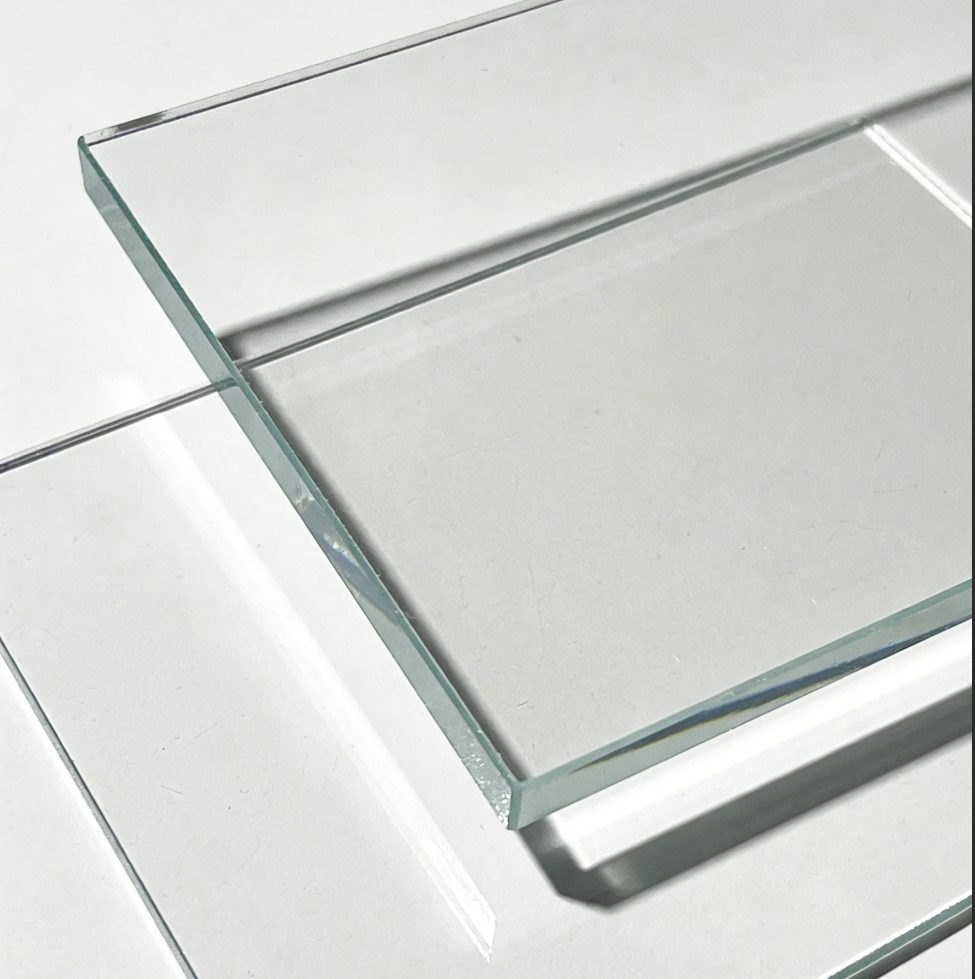
The lucite coffee table vintage represents a remarkable fusion of mid-century modern design and contemporary functionality, embodying the sophisticated aesthetic that defined the 1950s and 1960s furniture movement. This lucite coffee table vintage showcases transparent acrylic construction that creates an illusion of floating surfaces, making it an exceptional centerpiece for any living space. The technological innovation behind the lucite coffee table vintage lies in its precision-molded acrylic manufacturing process, which produces crystal-clear surfaces that maintain their transparency and structural integrity over decades. These tables feature seamless joints and smooth edges that demonstrate advanced polymer engineering techniques developed during the golden age of modernist furniture design. The lucite coffee table vintage serves multiple functions beyond traditional coffee service, acting as a display platform for books, magazines, decorative objects, and artwork while maintaining visual lightness that prevents spatial overcrowding. Its applications extend throughout residential and commercial environments, including contemporary homes, office lobbies, art galleries, and boutique retail spaces where transparency and elegance are paramount. The technological features of the lucite coffee table vintage include UV-resistant acrylic formulations that prevent yellowing and maintain optical clarity, while specialized edge-polishing techniques create flawless surfaces that reflect light beautifully. The structural design incorporates stress-distribution engineering that allows the lucite coffee table vintage to support substantial weight while appearing delicate and ethereal. These pieces often feature geometric forms such as rectangular, circular, or sculptural silhouettes that complement various interior design styles from minimalist to maximalist approaches. The lucite coffee table vintage offers exceptional versatility in placement and styling, as its transparent nature allows underlying elements like rugs, flooring patterns, or architectural details to remain visible and unobstructed, creating seamless integration within existing decor schemes.
 EN
EN