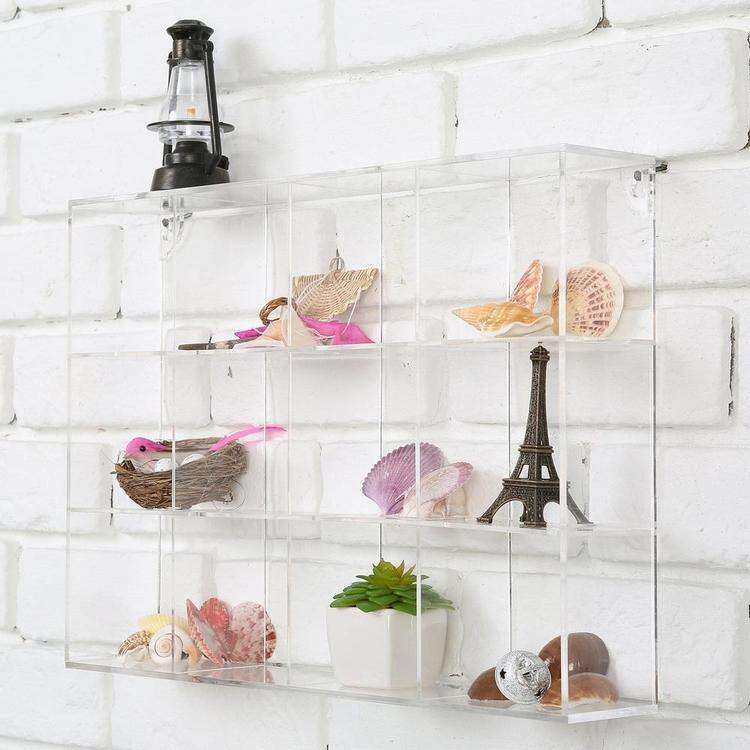
uv acrylic
UV acrylic represents a revolutionary advancement in coating technology, combining the durability of traditional acrylic materials with the rapid curing capabilities of ultraviolet light activation. This innovative material system consists of specially formulated acrylic polymers that undergo instantaneous polymerization when exposed to UV radiation, creating exceptionally strong and durable surface finishes. The main functions of UV acrylic include providing superior surface protection, enhancing aesthetic appeal, and delivering long-lasting performance across diverse applications. The technological foundation of UV acrylic relies on photoinitiators that trigger chemical reactions upon UV exposure, transforming liquid coatings into solid, cross-linked polymer networks within seconds. This rapid curing process eliminates the need for extended drying times, significantly improving production efficiency and reducing manufacturing costs. UV acrylic formulations demonstrate remarkable versatility, adapting to various substrate materials including wood, metal, plastic, and composite surfaces. The technology incorporates advanced polymer chemistry that ensures excellent adhesion properties while maintaining flexibility and impact resistance. Environmental considerations play a crucial role in UV acrylic development, as these systems typically contain minimal volatile organic compounds compared to conventional solvent-based alternatives. The curing mechanism produces virtually no emissions during processing, making UV acrylic an environmentally responsible choice for modern manufacturing operations. Applications span numerous industries, from furniture manufacturing and automotive components to electronic device housings and architectural elements. The material's ability to provide consistent film thickness, superior gloss retention, and exceptional chemical resistance makes it particularly valuable in demanding commercial environments. Quality control becomes simplified with UV acrylic systems, as the curing process provides immediate verification of coating completion, reducing defect rates and ensuring consistent product quality across production runs.
 EN
EN