 EN

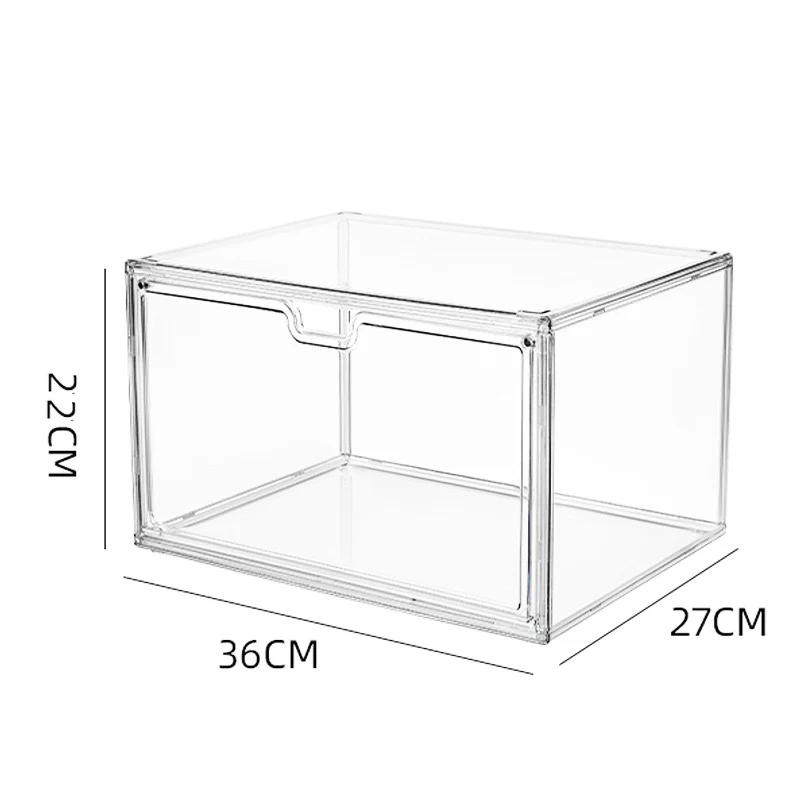
A display rack is one of the most effective tools for managing product organization in modern retail environments. Whether you operate a sporting goods store, apparel boutique, or general merchandise shop, implementing a strategic display rack system directly impacts customer experience, sales performance, and operational efficiency. The way you arrange and utilize your display rack determines how customers navigate your store, discover products, and make purchasing decisions. Understanding how to optimize your display rack setup transforms retail spaces into organized, visually appealing shopping destinations that encourage buying behavior and reduce inventory management headaches.
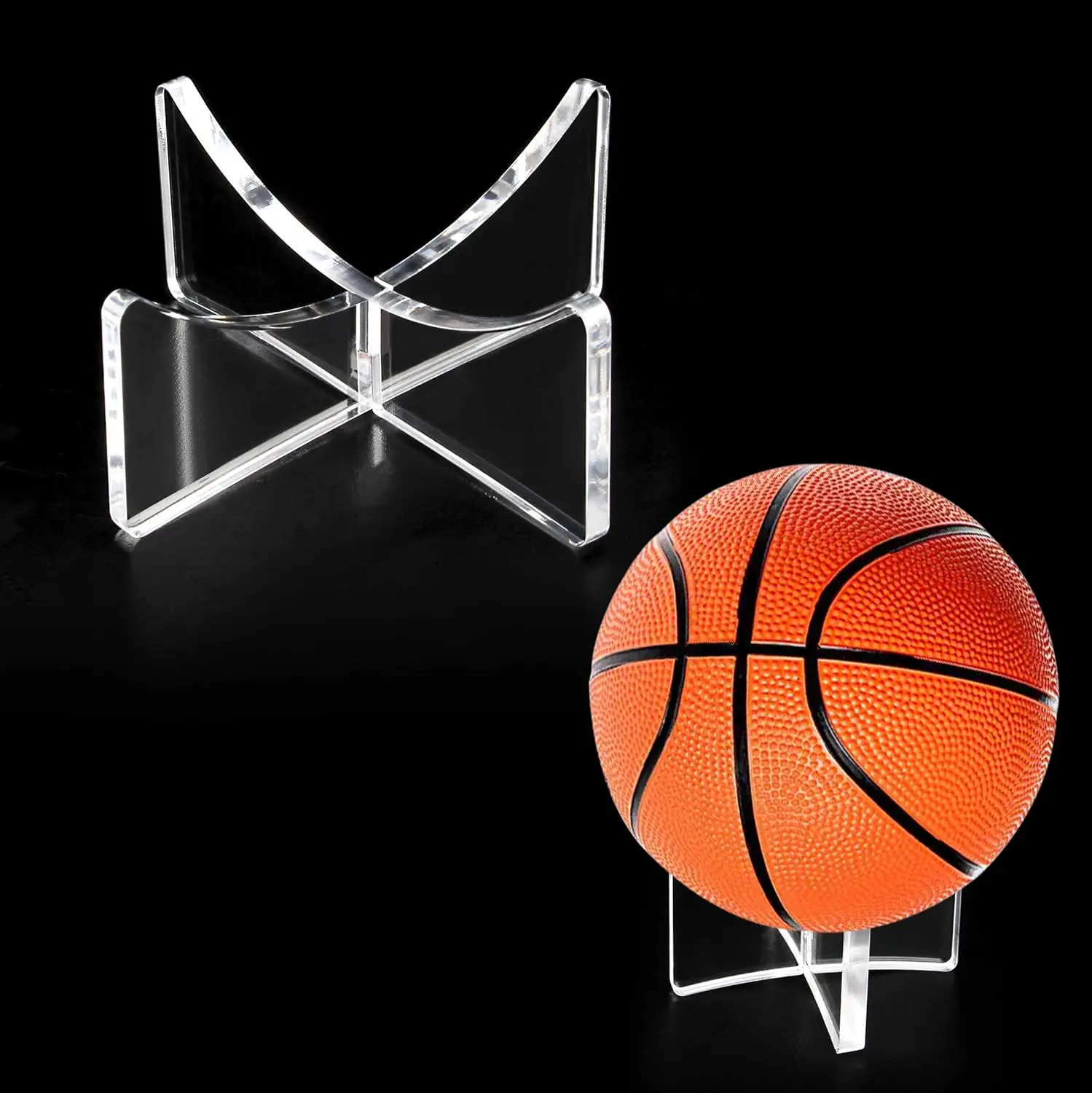
Retailers worldwide have discovered that a well-designed display rack serves as far more than just storage furniture. Each display rack becomes a strategic merchandising asset that communicates brand identity, highlights key products, and guides customer flow through your retail space. When you implement display rack solutions thoughtfully, you create an environment where products are easy to locate, inventory is visible and accessible, and customers feel confident making selections. This comprehensive guide explores proven strategies for using display rack systems to maximize product organization while creating an inviting retail atmosphere.
Strategic Display Rack Placement and Store Layout
Positioning Your Display Rack for Maximum Visibility
The location of your display rack within the retail store significantly influences product visibility and customer engagement. High-traffic areas like store entrances, checkout zones, and main aisles represent prime real estate for strategic display rack positioning. A display rack placed at eye level in these locations captures immediate attention and encourages impulse purchases. Retailers often position a display rack near the entrance to showcase seasonal items, new arrivals, or bestselling products that set the tone for the shopping experience. By strategically placing your display rack in these critical zones, you maximize exposure and create natural stopping points that enhance the overall shopping journey.
Creating Flow and Navigation with Display Rack Systems
A well-organized display rack framework helps direct customer flow and establishes a logical navigation path through your retail store. Multiple display rack units arranged in a cascading pattern guide customers deeper into the store, encouraging exploration and discovery. The display rack system acts as visual signage that communicates product categories, helping customers quickly locate what they need. When you design your display rack layout to complement your store's physical architecture, you reduce confusion and create an intuitive shopping experience. This strategic use of display rack placement transforms retail spaces into organized zones where every product category has clear visibility and accessibility.
Optimizing Product Arrangement on Your Display Rack
Merchandising Best Practices for Display Rack Organization
Effective product arrangement on a display rack follows proven merchandising principles that maximize appeal and sales potential. Start by grouping complementary products together on your display rack, creating natural product bundles that encourage cross-selling opportunities. A display rack should feature items at varying heights to create visual interest and accommodate different product sizes. The most popular or high-margin products deserve prominent placement on your display rack, typically at eye level where they attract maximum attention. By rotating inventory on your display rack regularly, you maintain visual freshness and prevent customers from overlooking items buried behind slower-moving products.
Color, Size, and Category Organization on Display Rack
Arranging products by color, size, and category on your display rack creates an intuitive shopping experience that reduces decision fatigue. A display rack organized by color gradient appeals to visual shoppers and makes product selection feel effortless. When you organize your display rack by size progression, customers quickly find items in their preferred dimensions without extensive searching. Category-based arrangement on a display rack ensures customers understand product types at a glance, supporting faster purchasing decisions. This systematic approach to display rack organization transforms shelving into a clear communication tool that reflects professionalism and supports customer confidence in your product selection process.
Display Rack Maintenance and Inventory Control
Keeping Your Display Rack Clean and Well-Stocked
Maintaining your display rack in pristine condition directly reflects your retail brand quality and customer care standards. Dust and debris on a display rack create a neglected appearance that discourages purchases regardless of product quality. Regular cleaning of your display rack should occur daily in high-traffic retail environments to maintain visual appeal. Stock management of your display rack requires consistent monitoring to ensure popular items remain available and less popular items get rotated to prevent waste. A well-maintained display rack sends powerful signals about product freshness, quality assurance, and professional retail operations that build customer trust and loyalty.
Using Display Rack Data for Inventory Management
Your display rack serves as a real-time data source for inventory planning and purchasing decisions. By monitoring which products sell fastest on your display rack, you gain valuable insights for demand forecasting and reordering strategies. A display rack that frequently runs out of stock indicates strong product demand that warrants increased ordering. Conversely, items that linger on your display rack suggest slower demand, prompting consideration of repositioning, pricing adjustments, or discontinuation. This feedback loop from your display rack to inventory management systems creates a data-driven approach to retail operations that minimizes stockouts and excess inventory simultaneously.
Display Rack Applications Across Retail Categories
Sports Equipment and Athletic Wear Display Rack Solutions
Sporting goods retailers benefit tremendously from specialized display rack configurations designed for equipment variety. A display rack for sports equipment must accommodate different product sizes, from basketballs to baseball equipment, requiring adjustable shelving and sturdy construction. Athletic apparel retailers use tiered display rack systems to showcase clothing color options, size ranges, and seasonal collections in organized fashion. A display rack in sports retail creates an aspirational atmosphere where customers visualize themselves using products effectively. The display rack becomes a storytelling tool that demonstrates product quality, variety, and professional presentation that attracts serious athletes and casual enthusiasts alike.
General Merchandise and Multi-Category Display Rack Strategy
General merchandise retailers implement flexible display rack systems that accommodate diverse product categories within single retail locations. A modular display rack framework adapts to product changes, seasonal transitions, and promotional campaigns without major restructuring. This flexible display rack approach allows retailers to test new product placements, optimize sales performance, and respond quickly to market trends. A well-designed display rack for general merchandise becomes the central organizational spine that prevents retail chaos and maintains customer satisfaction across all departments.
FAQ
What specific benefits does a display rack provide for retail customer satisfaction?
A display rack dramatically improves customer satisfaction by making product discovery intuitive and shopping efficient. When customers quickly locate desired items on a well-organized display rack, they experience reduced frustration and increased confidence in their purchasing decisions. A display rack that presents products attractively creates a positive emotional response that influences buying behavior positively. Customers appreciate retail environments where a display rack demonstrates professional organization and respect for their shopping time and experience.
How often should products be rearranged on a display rack?
Most retail experts recommend refreshing your display rack arrangement every two to four weeks to maintain visual interest and customer engagement. Seasonal changes, promotional campaigns, and inventory adjustments naturally prompt display rack reorganization on these timelines. High-traffic retail locations may benefit from weekly display rack updates to maintain freshness. The optimal display rack rotation frequency depends on your specific product categories, customer traffic patterns, and sales data analysis.
Can a display rack system work effectively for online retail integration?
While a display rack physically exists in brick-and-mortar retail locations, its organizational principles influence omnichannel retail strategies effectively. A display rack arrangement informs online product categorization, digital imagery, and virtual store layout design. Many retailers photograph display rack arrangements for social media marketing and online product presentations. A display rack strategy that works physically can inspire consistent digital representations that unify customer experience across shopping channels.