 EN
EN

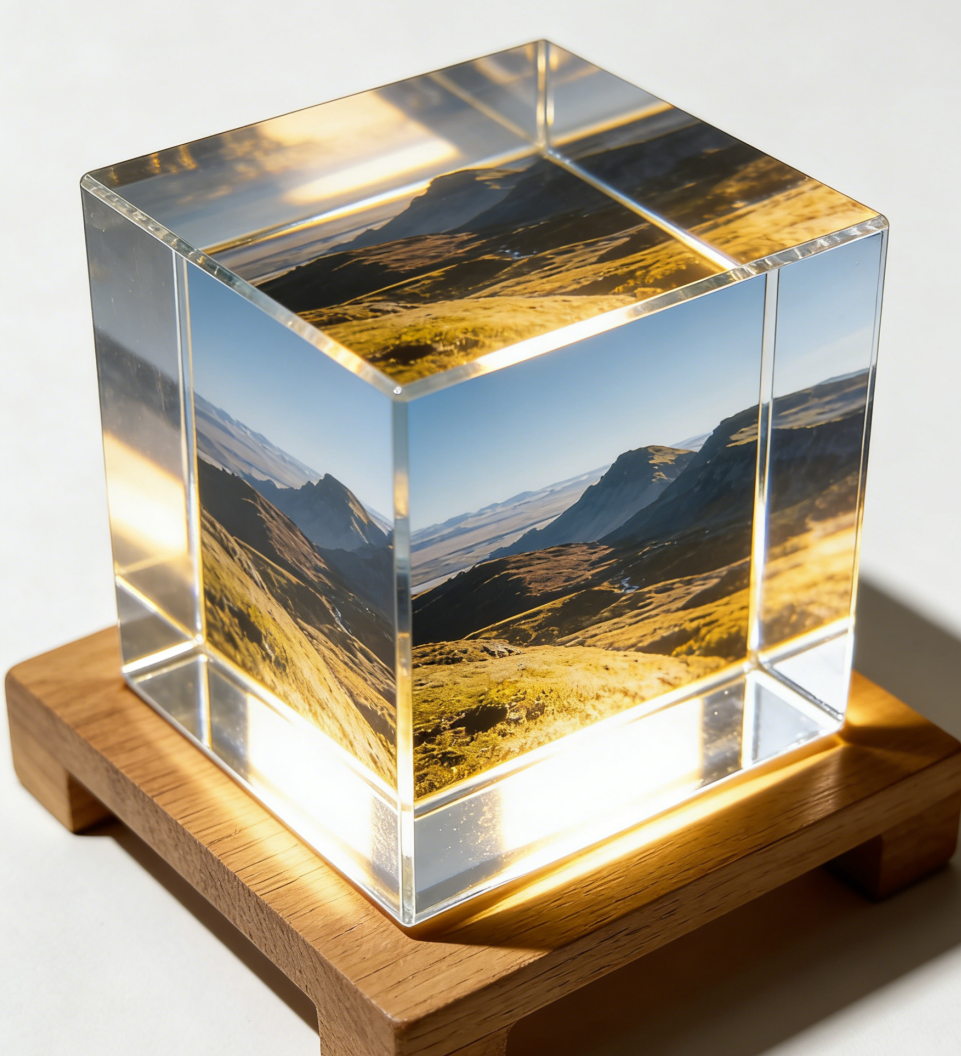
Plexiglass has become a popular choice for retail environments, but understanding whether plexiglass for retail fixtures truly meets your business needs requires careful consideration of multiple factors. This transparent material offers distinct advantages and some limitations that directly impact product presentation, durability, and overall aesthetic appeal in customer-facing spaces.
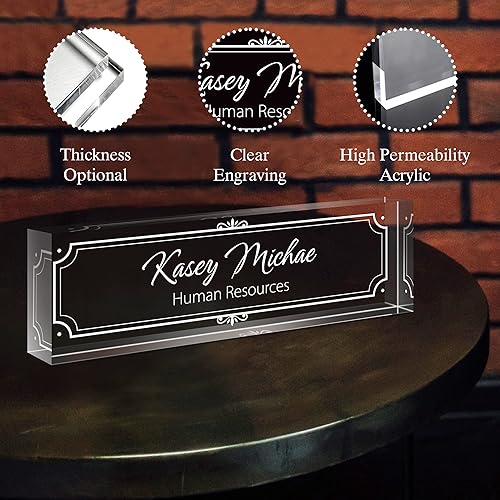
Retailers and business owners regularly ask whether plexiglass for retail fixtures justifies the investment compared to traditional glass or other materials. The answer depends on your specific application, budget constraints, and performance expectations. Understanding the strengths and weaknesses of plexiglass helps you make an informed decision that aligns with both your immediate display goals and long-term operational requirements.
Optical Clarity and Visual Appeal
Crystal-Clear Product Visibility
Plexiglass for retail fixtures delivers exceptional optical clarity that rivals traditional glass, making it ideal for showcasing merchandise. The material transmits up to ninety-eight percent of visible light, ensuring that products displayed behind plexiglass for retail fixtures appear vibrant and undistorted to customers. This clarity is essential for jewelry displays, cosmetics counters, and high-value electronics where visual presentation directly influences purchasing decisions.
The transparent quality of plexiglass for retail fixtures eliminates the yellowish tint sometimes associated with lower-grade acrylic products. Premium-grade plexiglass maintains color accuracy over time, preventing merchandise from appearing washed out or discolored through the display material. This consistency ensures that your retail environment maintains a professional, high-end appearance that reinforces brand credibility and customer confidence in product quality.
Aesthetic Flexibility and Design Options
Beyond basic clarity, plexiglass for retail fixtures offers significant design versatility. The material can be cut into custom shapes, beveled, polished, or frosted to match your brand identity and store layout. Whether you need curved display cases, geometric shelving supports, or architectural accents, plexiglass for retail fixtures adapts to modern and traditional retail design schemes equally well.
Retailers can integrate plexiglass for retail fixtures into minimalist, contemporary, or luxurious store environments without visual conflict. The material's neutral appearance allows merchandise to be the focal point rather than the display structure itself. This flexibility makes plexiglass for retail fixtures a practical choice across diverse retail sectors including fashion, pharmaceuticals, food service, and specialty retail.
Durability, Impact Resistance, and Maintenance
Superior Impact Resistance Compared to Glass
Plexiglass for retail fixtures offers substantially better impact resistance than standard glass, making it safer for high-traffic retail environments. The material resists shattering when exposed to accidental collisions, dropped merchandise, or aggressive handling. This safety advantage reduces liability concerns and eliminates the risk of dangerous glass shards that could injure customers or staff in the event of breakage.
In busy retail locations where customers constantly interact with displays, the inherent durability of plexiglass for retail fixtures reduces replacement costs and operational disruptions. The material can withstand repeated contact, vibration from foot traffic, and temperature fluctuations that naturally occur in retail spaces without degrading or developing stress fractures. This resilience means your plexiglass for retail fixtures investment remains functional for years without unexpected failures.
Long-Term Maintenance and Aging Characteristics
Plexiglass for retail fixtures requires minimal maintenance compared to glass alternatives. Regular cleaning with mild soap and water keeps the material transparent and visually appealing. Unlike glass, plexiglass for retail fixtures does not require special protective coatings or frequent polishing to maintain its clarity and aesthetic value in retail settings.
Over extended time periods, plexiglass for retail fixtures may experience minor surface scratches from cleaning or handling, though these are typically invisible in normal viewing conditions. The material maintains its optical properties across temperature ranges commonly found in retail environments, from air-conditioned showrooms to outdoor display areas. Environmental exposure does not cause embrittlement or significant yellowing when using UV-resistant plexiglass for retail fixtures specifically formulated for commercial applications.
Cost Considerations and Return on Investment
Initial Capital Investment and Pricing Dynamics
Plexiglass for retail fixtures typically costs less to manufacture and install compared to equivalent glass display systems. The material's lightweight nature reduces shipping costs and installation labor requirements, making the overall project budget more manageable for small and medium-sized retailers. Custom plexiglass for retail fixtures can be fabricated more quickly than glass alternatives, accelerating your timeline from design approval to retail floor deployment.
The cost advantage of plexiglass for retail fixtures extends beyond initial fabrication to ongoing operational expenses. Lower replacement costs due to impact resistance, reduced maintenance requirements, and simpler cleaning procedures collectively improve your total cost of ownership over a five to ten-year period. Retailers implementing plexiglass for retail fixtures report measurable savings compared to glass-based display systems, particularly in high-traffic locations prone to accidental damage.
Performance Value and Business Impact
Beyond material costs, plexiglass for retail fixtures delivers performance value through product protection and customer experience enhancement. The optical clarity of plexiglass for retail fixtures maintains merchandise presentation quality, supporting your retail pricing strategy and sales margins. Protected displays reduce product damage from handling, dust, and environmental contamination, minimizing shrinkage and waste in sensitive product categories.
Retailers using plexiglass for retail fixtures for high-value merchandise categories report improved inventory security and reduced loss rates. The transparent material allows comprehensive product visibility while providing a physical barrier that discourages unauthorized access. This dual benefit of security and customer access makes plexiglass for retail fixtures especially valuable in jewelry, electronics, and pharmaceutical retail environments where loss prevention directly impacts profitability.
Practical Application Scenarios
Retail Sectors Where Plexiglass Excels
Plexiglass for retail fixtures performs exceptionally well in jewelry and luxury goods retail, where product presentation directly influences customer purchasing decisions. The crystal-clear visibility combined with impact resistance ensures that high-value items remain secure while appearing prominently to prospective customers. Department store cosmetics counters utilize plexiglass for retail fixtures to create professional-looking display structures that showcase product lines without the maintenance demands of glass systems.
Museums, galleries, and cultural institutions increasingly adopt plexiglass for retail fixtures in gift shops and educational displays because the material combines safety with unobstructed product visibility. Pharmaceutical retail environments benefit from plexiglass for retail fixtures due to the material's ease of sanitization and resistance to chemical exposure. Food service retailers use plexiglass for retail fixtures for bakery cases and prepared food displays where hygiene standards require frequent cleaning without material degradation.
Public Information Displays and Signage Applications
Public information displays benefit tremendously from plexiglass for retail fixtures applications, particularly in educational institutions, office buildings, and healthcare facilities. The material's durability withstands constant public interaction, making it ideal for interactive kiosks, directional signage, and informational posting surfaces. Plexiglass for retail fixtures provides superior performance compared to glass in these high-contact scenarios while maintaining the professional appearance necessary for institutional settings.
Transportation hubs, including airports and train stations, implement plexiglass for retail fixtures for ticketing areas, information booths, and retail concessions. The material's impact resistance proves invaluable in high-volume public spaces where accidental collisions and intentional impacts represent routine operational challenges. Retailers and operators in these demanding environments consistently choose plexiglass for retail fixtures because it delivers the clarity and durability required for public-facing applications.
Comparison with Alternative Materials
Glass Versus Plexiglass Performance
Traditional glass offers superior scratch resistance compared to plexiglass for retail fixtures, maintaining a pristine appearance longer with regular use. However, glass introduces safety hazards in retail environments through shattering risk and lacks the design flexibility that plexiglass for retail fixtures provides. Glass requires professional installation and specialized handling, driving up labor costs compared to plexiglass for retail fixtures systems that retailers can often install in-house.
Plexiglass for retail fixtures provides better optical clarity than common polycarbonate alternatives while offering superior impact resistance compared to glass. The material represents an optimal middle ground for most retail applications, balancing cost, safety, appearance, and durability. Retailers evaluating whether plexiglass for retail fixtures suits their needs often find it outperforms both glass and alternative plastic materials across multiple performance dimensions.
Alternative Plastic Materials Evaluation
Polycarbonate offers greater impact resistance than plexiglass for retail fixtures but sacrifices optical clarity and tends to yellow more rapidly with UV exposure. Polyethylene and other budget plastics fail to deliver the visual clarity essential for retail merchandise presentation, making them unsuitable for display applications. When comparing material options, plexiglass for retail fixtures consistently emerges as the preferred choice for applications demanding both transparency and durability in retail and public display settings.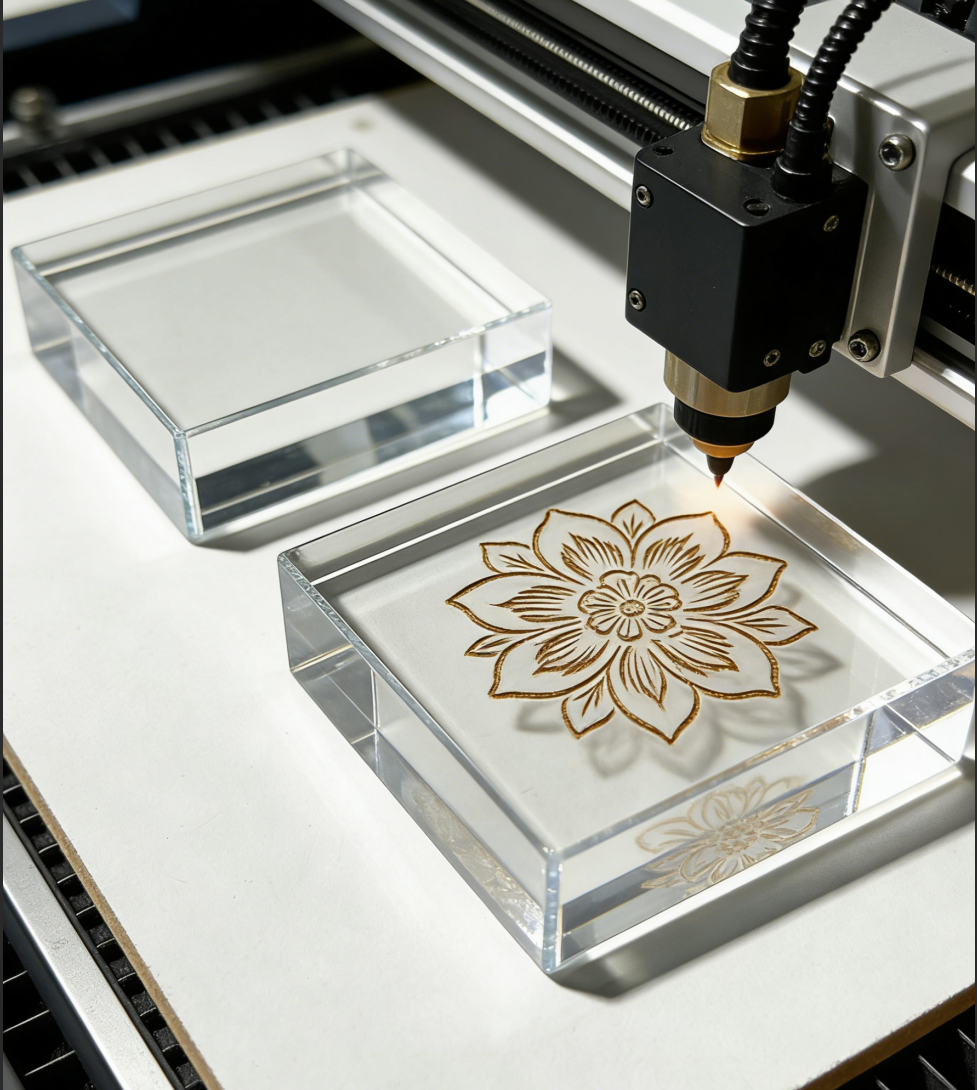
FAQ
Is plexiglass for retail fixtures resistant to UV exposure and outdoor use?
UV-resistant formulations of plexiglass for retail fixtures resist yellowing and degradation when exposed to direct sunlight for extended periods. Standard plexiglass for retail fixtures may experience gradual clarity loss over years of outdoor exposure, while UV-stabilized grades maintain optical properties even in harsh environmental conditions. Retailers planning outdoor display installations should specifically request UV-protected plexiglass for retail fixtures to ensure long-term performance and appearance retention in sun-exposed locations.
Can plexiglass for retail fixtures be safely used in grocery stores and food retail environments?
Yes, plexiglass for retail fixtures works excellently in food retail applications where sanitation and frequent cleaning are critical operational requirements. The material resists staining from food products, beverages, and cleaning chemicals commonly used in food service establishments. Plexiglass for retail fixtures maintains clarity through repeated sanitization, unlike some competing materials that become cloudy or discolored with aggressive cleaning agents. Food retailers consistently use plexiglass for retail fixtures for bakery cases, prepared food displays, and refrigerated product showcase applications.
What thickness of plexiglass for retail fixtures is recommended for standard retail display applications?
Quarter-inch or three-eighth-inch thickness provides adequate strength for most plexiglass for retail fixtures applications involving light to moderate merchandise weight and customer contact. Half-inch thickness offers superior rigidity for larger display structures and applications expecting frequent or forceful interaction from customers. Retailers should consult with fabricators to determine appropriate plexiglass for retail fixtures thickness based on specific dimensions, merchandise weight, and environmental conditions in their retail locations.