 EN
EN

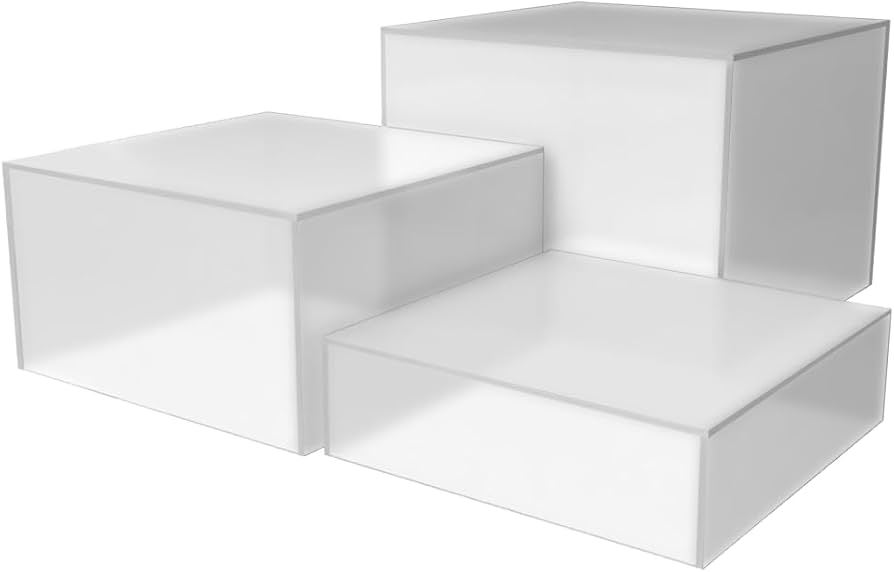
Selecting the appropriate acrylic box thickness represents a critical decision for collectors, retailers, and professionals who require durable display solutions. The thickness of acrylic material directly influences structural integrity, optical clarity, and long-term durability when showcasing valuable items. Understanding acrylic box thickness specifications enables informed decision-making for applications ranging from museum-grade exhibits to commercial retail displays. Professional-grade acrylic displays must withstand environmental factors, handling stress, and the weight of displayed objects while maintaining crystal-clear visibility. The relationship between material thickness and performance characteristics determines whether your investment will provide years of reliable protection or require premature replacement due to inadequate specifications.
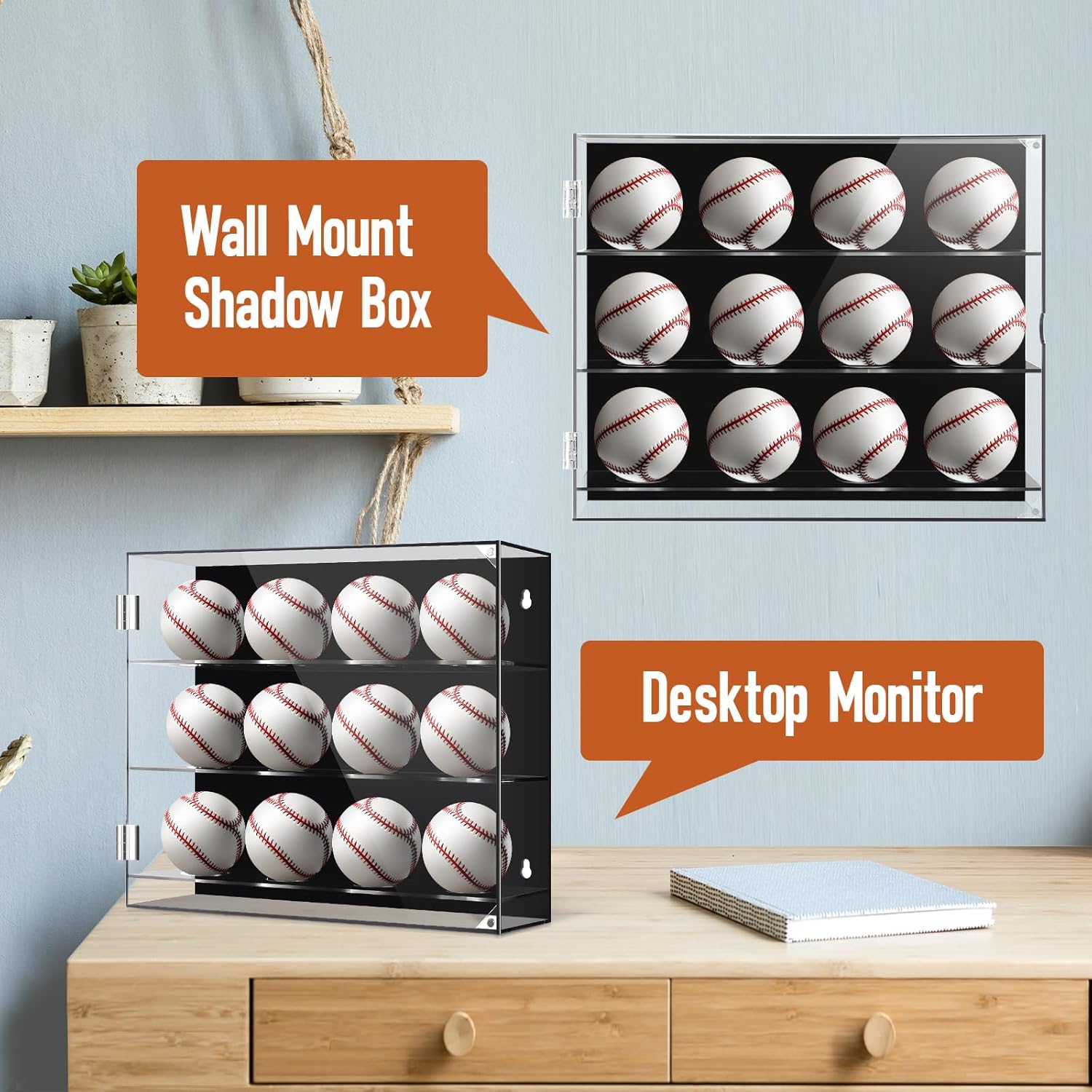
Understanding Acrylic Material Properties for Display Applications
Structural Characteristics of Acrylic Plastics
Acrylic materials, scientifically known as polymethyl methacrylate, offer exceptional transparency combined with impressive impact resistance when manufactured in appropriate thicknesses. The molecular structure of acrylic provides superior optical properties compared to traditional glass while delivering enhanced safety characteristics through reduced shattering risk. Manufacturing processes determine the final density and strength characteristics of acrylic sheets, with cast acrylic typically offering superior optical clarity compared to extruded alternatives. Quality acrylic maintains consistent thickness tolerances across the entire sheet, ensuring uniform stress distribution and predictable performance characteristics.
The relationship between acrylic box thickness and material properties follows predictable engineering principles, with thicker sections providing exponentially increased rigidity and load-bearing capacity. Temperature stability remains consistent across various thickness ranges, though thermal expansion coefficients may require consideration in precision applications. Surface hardness characteristics remain constant regardless of thickness, maintaining scratch resistance and polishability throughout the material cross-section. Understanding these fundamental properties enables accurate specification of acrylic box thickness requirements for specific display challenges.
Optical Performance Considerations
Light transmission characteristics vary minimally across standard acrylic box thickness ranges, with quality materials maintaining over 92% optical clarity even in substantial cross-sections. However, increased thickness can introduce subtle optical effects that may influence display applications requiring absolute color accuracy. Edge lighting effects become more pronounced in thicker sections, potentially creating unwanted reflections or light distortion in certain viewing angles. Professional display applications often require specific acrylic box thickness selections to minimize these optical phenomena while maintaining structural requirements.
Refractive index consistency across thickness variations ensures predictable optical performance, though increased material volume may amplify any internal stress patterns created during manufacturing. Quality control processes during acrylic production directly influence optical consistency, with premium manufacturers maintaining tight tolerances on thickness variations and internal stress levels. Surface preparation techniques become increasingly important with thicker materials, as any surface imperfections become more visible through increased material depth.
Thickness Specifications for Heavy-Duty Applications
Standard Thickness Classifications
Commercial acrylic displays typically utilize thickness ranges from 3mm to 25mm, with each range serving specific application requirements and load-bearing capabilities. Light-duty applications such as countertop displays or temporary exhibitions often perform adequately with 3-6mm acrylic box thickness specifications. Medium-duty applications including permanent retail displays or moderate-value collections typically require 6-12mm thickness to ensure adequate durability and professional appearance. Heavy-duty applications demanding maximum protection and structural integrity generally specify 12-25mm acrylic box thickness ranges.
The progression from standard to heavy-duty thickness requirements follows exponential strength increases, with each millimeter of additional thickness providing disproportionate improvements in structural performance. Professional collectors and institutions often specify minimum thickness requirements based on item value, environmental conditions, and expected handling frequency. Standardization across thickness specifications enables compatibility with mounting hardware, sealing systems, and modular display components designed for specific acrylic box thickness ranges.
Load-Bearing Capacity Analysis
Engineering calculations for acrylic display cases must account for both static loads from displayed items and dynamic stresses from handling, transportation, and environmental factors. Static load capacity increases dramatically with acrylic box thickness, following cubic relationships where doubling thickness provides eight times the load-bearing capacity in bending applications. Dynamic load considerations include impact resistance, vibration tolerance, and thermal cycling effects that may compromise thinner materials over time.
Safety factors for professional display applications typically require acrylic box thickness specifications that provide 3-5 times the calculated minimum requirements to account for long-term stress relaxation and unexpected loading conditions. Museum-grade applications often specify even higher safety margins to ensure irreplaceable items receive maximum protection throughout extended display periods. Load distribution characteristics change significantly with thickness variations, requiring careful consideration of mounting points, support structures, and stress concentration areas.
Environmental Factors Affecting Thickness Selection
Temperature and Humidity Considerations
Environmental conditions significantly influence the optimal acrylic box thickness selection for long-term display applications, with temperature fluctuations creating thermal stress patterns throughout the material structure. Thicker acrylic sections demonstrate superior dimensional stability during temperature cycling, reducing the risk of warping or stress cracking that commonly affects thinner materials. Humidity variations create additional challenges through differential expansion between acrylic components and mounted hardware, necessitating increased thickness margins in variable climate conditions.
Indoor climate control systems help minimize environmental stress factors, though even controlled environments experience seasonal variations that impact acrylic performance over extended periods. Outdoor or semi-outdoor display applications require substantial increases in acrylic box thickness to compensate for extreme temperature ranges, UV exposure, and weather-related stress factors. Thermal expansion coefficients remain consistent across thickness ranges, but absolute dimensional changes increase proportionally with material volume, requiring careful consideration in precision mounting applications.
UV Resistance and Degradation Factors
Ultraviolet radiation exposure affects acrylic materials through photodegradation processes that gradually reduce optical clarity and mechanical properties over extended periods. Thicker acrylic sections provide inherently better long-term UV resistance due to reduced stress concentrations and improved heat dissipation characteristics during photodegradation processes. Quality UV-stabilized acrylic formulations maintain performance characteristics across various thickness ranges, though thicker sections demonstrate superior aging characteristics in high-UV environments.
Surface treatments and UV-blocking additives become more effective in thicker acrylic sections, providing enhanced protection for valuable displayed items while maintaining material integrity. The relationship between acrylic box thickness and UV resistance follows complex patterns influenced by additive distribution, surface area exposure ratios, and internal stress patterns. Professional applications in high-UV environments typically specify increased thickness margins to compensate for accelerated aging effects and maintain consistent performance throughout extended service life.
Manufacturing and Quality Considerations
Production Methods Impact on Thickness Quality
Manufacturing processes significantly influence the quality and consistency of acrylic box thickness across large sheets and complex formed shapes. Cast acrylic production methods typically provide superior thickness consistency and optical quality compared to extruded alternatives, though both processes can achieve acceptable results when properly controlled. Thermoforming operations require careful temperature and pressure control to maintain uniform wall thickness in complex shapes, with thicker starting materials providing better formability and reduced stress concentration risks.
Quality control procedures during acrylic production include thickness measurement protocols, optical clarity testing, and stress analysis to ensure consistent performance characteristics. Tolerance specifications for acrylic box thickness typically range from ±0.1mm for precision applications to ±0.5mm for standard commercial grades, with tighter tolerances requiring premium manufacturing processes and increased costs. Surface finish quality becomes increasingly important with thicker materials, as any imperfections become more visible through increased optical depth.
Fabrication Considerations for Thick Acrylic
Machining and fabrication processes require specialized techniques when working with increased acrylic box thickness specifications to prevent stress cracking, heat buildup, and dimensional distortion. Cutting operations must utilize appropriate feed rates, tool geometries, and cooling systems to maintain clean edges and prevent thermal damage in thick acrylic sections. Joining methods including solvent welding, mechanical fastening, and adhesive bonding require modifications for thick materials to ensure reliable long-term connections.
Stress relief procedures become critical when fabricating thick acrylic components, with annealing cycles required to eliminate internal stresses created during machining and forming operations. Surface preparation for thick acrylic requires graduated sanding sequences and specialized polishing compounds to achieve optical-grade surface finishes across substantial material depths. Assembly procedures must account for increased material weight, handling requirements, and thermal expansion characteristics associated with thicker acrylic box thickness specifications.
Cost-Benefit Analysis of Thickness Selection
Material Cost Implications
Raw material costs for acrylic displays increase exponentially with thickness specifications, requiring careful balance between performance requirements and budget constraints in commercial applications. While thicker materials command premium pricing, the relationship between cost and performance often justifies increased investment through extended service life and reduced replacement frequency. Volume purchasing arrangements and standardized thickness specifications can help optimize material costs while maintaining quality standards across multiple display projects.
Manufacturing efficiency considerations include material yield optimization, waste reduction strategies, and fabrication time requirements that vary significantly with acrylic box thickness selections. Thicker materials typically require longer processing times for cutting, forming, and finishing operations, though reduced handling and assembly requirements may offset increased fabrication costs. Long-term cost analysis must include maintenance requirements, replacement cycles, and performance degradation factors that influence total ownership costs throughout display system service life.
Performance Value Assessment
Return on investment calculations for increased acrylic box thickness must consider protection value for displayed items, maintenance cost reductions, and professional appearance benefits that justify premium material specifications. High-value collections or commercial displays often justify substantial increases in material costs through improved security, durability, and customer perception benefits. Performance metrics including structural integrity, optical clarity retention, and environmental resistance provide quantifiable benefits that support thickness upgrade decisions.
Risk mitigation benefits from appropriate acrylic box thickness selection include reduced damage probability, lower insurance costs, and decreased liability exposure in commercial applications. Professional reputation factors associated with quality display systems often provide intangible benefits that exceed material cost considerations, particularly in luxury retail or museum applications. Comprehensive value analysis requires consideration of both quantifiable performance benefits and subjective quality perception factors that influence customer satisfaction and business success.
Installation and Maintenance Requirements
Mounting System Compatibility
Mounting hardware and support systems must accommodate specific acrylic box thickness requirements to ensure proper load distribution and long-term stability in display applications. Standard mounting systems typically accommodate thickness ranges from 6-15mm, with specialized hardware required for thicker materials or unusual thickness specifications. Weight considerations increase substantially with thicker acrylic, requiring upgraded mounting points, wall anchors, and structural support systems to maintain safety margins.
Sealing systems and gasket compatibility vary significantly with acrylic box thickness, requiring specific seal profiles and compression ratios to maintain environmental protection and optical clarity. Expansion joint design becomes increasingly important with thicker materials due to increased thermal mass and expansion forces that may stress mounting hardware over time. Professional installation procedures must account for handling requirements, safety considerations, and specialized tools required for thick acrylic assembly operations.
Long-Term Maintenance Protocols
Maintenance requirements for thick acrylic displays include specialized cleaning procedures, surface restoration techniques, and periodic inspection protocols to ensure continued performance and appearance standards. Cleaning solution compatibility remains consistent across thickness ranges, though increased surface area and optical depth may require modified application techniques to achieve uniform results. Surface scratch repair becomes more complex with thicker materials, requiring graduated polishing sequences and specialized equipment to maintain optical quality.
Preventive maintenance schedules should account for environmental exposure conditions, handling frequency, and display application requirements that influence degradation rates and service intervals. Inspection procedures must include stress crack detection, optical clarity assessment, and mounting system evaluation to identify potential issues before they compromise display integrity. Documentation protocols for maintenance activities help establish performance trends and optimize service schedules for specific acrylic box thickness applications.
FAQ
What is the minimum acrylic box thickness recommended for heavy-duty display applications
Heavy-duty display applications typically require a minimum acrylic box thickness of 12mm to ensure adequate structural integrity and long-term durability. This thickness provides sufficient rigidity to resist deflection under load while maintaining optical clarity and impact resistance. Professional installations often specify 15-20mm thickness for maximum protection of valuable items, with 25mm thickness reserved for extreme-duty applications or outdoor installations subject to severe environmental conditions.
How does acrylic box thickness affect optical clarity and light transmission
Acrylic box thickness has minimal impact on light transmission, with quality materials maintaining over 90% clarity even in 25mm sections. However, thicker materials may exhibit slight color shifts or edge effects that become noticeable in critical viewing applications. The refractive index remains consistent across thickness variations, though internal stress patterns or surface imperfections become more visible through increased material depth, requiring higher quality control standards for thick acrylic applications.
What are the cost implications of selecting thicker acrylic for display cases
Material costs increase exponentially with acrylic box thickness, with 20mm material typically costing 3-4 times more than 6mm alternatives. However, thicker materials often provide better long-term value through extended service life, reduced maintenance requirements, and improved protection for valuable displayed items. Fabrication costs also increase with thickness due to longer processing times and specialized handling requirements, though these costs are often offset by reduced replacement frequency and superior performance characteristics.
Can standard mounting hardware accommodate various acrylic box thickness specifications
Standard mounting hardware typically accommodates acrylic box thickness ranges from 6-15mm without modification, though thicker materials require specialized mounting systems and upgraded support structures. Weight considerations become critical with thick acrylic, often necessitating stronger wall anchors, reinforced mounting points, and distributed load support systems. Sealing and gasket systems also require thickness-specific components to maintain proper compression and environmental protection in professional display applications.
Table of Contents
- Understanding Acrylic Material Properties for Display Applications
- Thickness Specifications for Heavy-Duty Applications
- Environmental Factors Affecting Thickness Selection
- Manufacturing and Quality Considerations
- Cost-Benefit Analysis of Thickness Selection
- Installation and Maintenance Requirements
-
FAQ
- What is the minimum acrylic box thickness recommended for heavy-duty display applications
- How does acrylic box thickness affect optical clarity and light transmission
- What are the cost implications of selecting thicker acrylic for display cases
- Can standard mounting hardware accommodate various acrylic box thickness specifications