 EN
EN

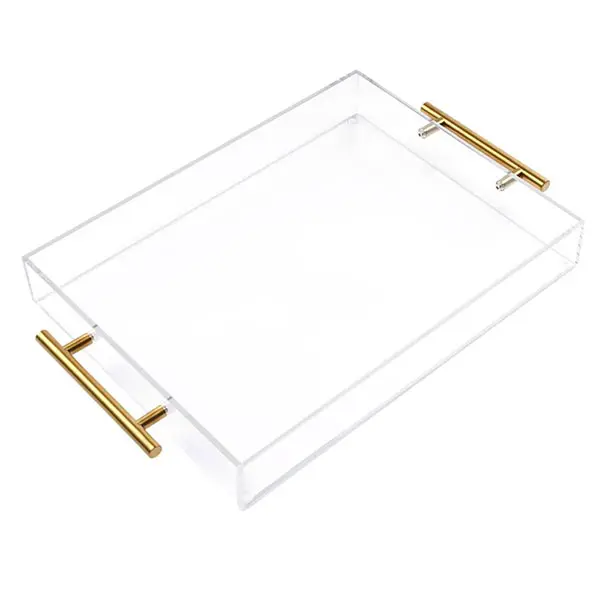
Akryylilavat ovat tulleet välttämättömiksi monilla eri kaupallisilla aloilla, toimien monikäyttöisinä esitysalustoina, jotka yhdistävät läpinäkyvyyden, kestävyyden ja esteettisen viehätystekijän. Näiden polymeeripohjaisten näyttöratkaisujen erityistä suunnittelua ja sopeuttamista ruokapalveluympäristöihin, kosmetiikkakauppaan ja vähittäiskaupan myyntipaikkojen käyttöön tarkasteltaessa paljastuvat ne monitasoiset materiaalitieteelliset ja suunnittelulliset näkökohdat, jotka erottavat ammattimaisen luokan tuotteet muista akrüüliä laatikoita yleisistä muovivaihtoehdoista. Sovitusprosessi sisältää huolellisen valinnan ruokaturvallisista koostumuksista, strategisen mitoituksen suunnittelun, pinnankäsittelymenetelmät ja rakenteellisia vahvistustekniikoita, jotka ottavat huomioon kunkin teollisuuden alan erityiset toimintavaatimukset.
Ydinongelma, joka koskee akryylilautasten siirtymistä raakapolymeerimetyylimetakrylaattilevyistä erikoistettuihin näyttöinstrumentteihin, vaatii valmistusmukautusprotokollien, sääntelyvaatimusten noudattamisen kehyksen ja sovelluskohtaisten insinöörimuutosten tarkastelua. Ruokaan tarkoitettujen akryylilautasten on täytettävä tiukat turvallisuussertifikaatit samalla kun ne säilyttävät läpinäkyvyytensä ja iskunkestävyytensä jäähdytyskierroksissa. Kosmetiikkatuotteiden näyttöön tarkoitettujen akryylilautasten valmistuksessa vaaditaan tarkkaa koneistusta luodakseen osioituja säilytystiloja, jotka suojaavat herkkiä tuotteita ja samalla maksimoivat visuaalisen kaupallisoinnin vaikutuksen. Vähittäiskauppaan keskitettyjen akryylilautasten rakenteellisten suunnittelun on mahdollistettava nopea uudelleentäyttö, varkauden estäminen läpinäkyvyyden avulla sekä brändin yhtenäisesti vastaavat esteettiset ratkaisut, jotka parantavat tuotteen kuviteltua arvoa. Jokainen mukautumispolku sisältää erillisiä materiaalivalintakriteerejä, valmistustekniikoita ja laadunvarmistusmenettelyjä, jotka varmistavat optimaalisen suorituskyvyn kohdekaupallisissa ympäristöissä.
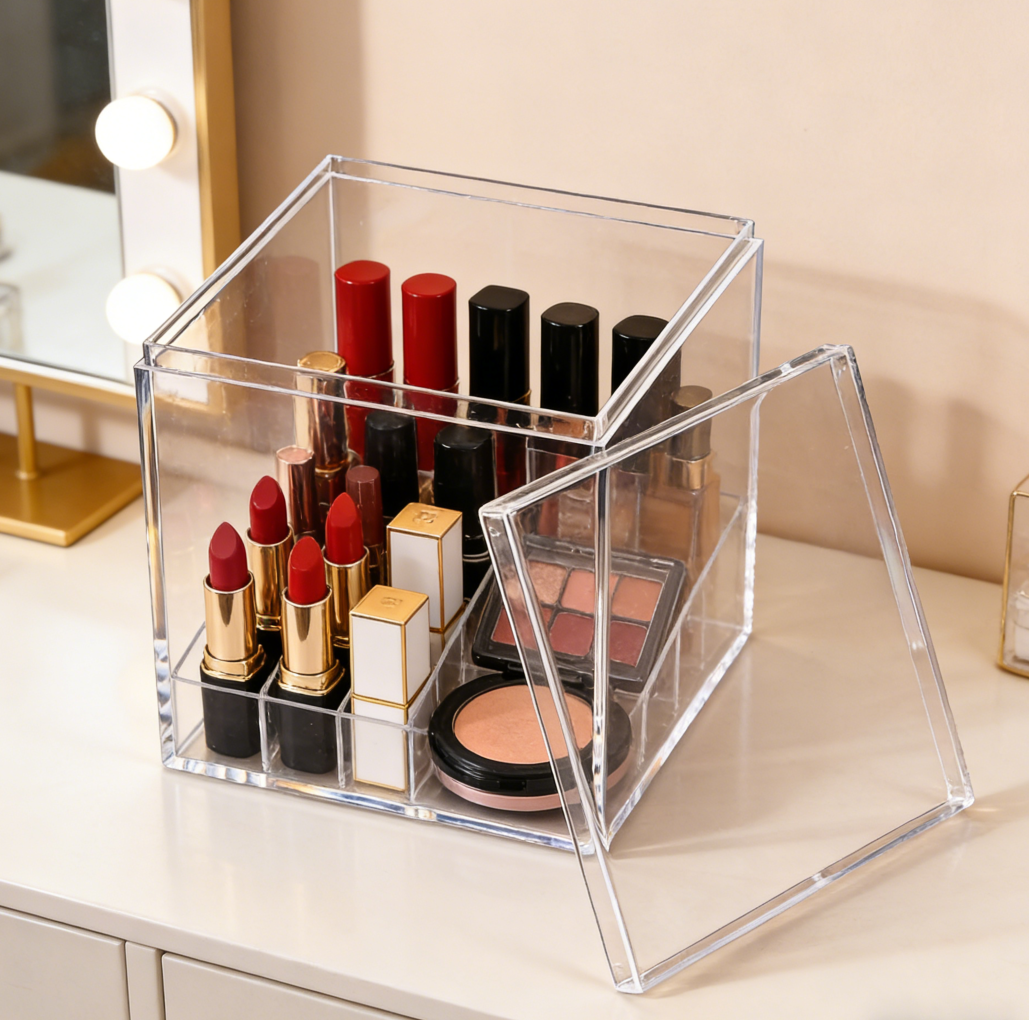
Materiaalin koostumuksen mukautukset teollisuuskohtaisiin vaatimuksiin
Elintarvikkeisiin tarkoitettujen akryyliaineiden laatuvaatimukset
Akryylilautojen mukauttaminen elintarvikepalveluun liittyviin sovelluksiin alkaa polymeerikoostumuksen muutoksilla, joiden avulla saavutetaan noudattaminen Yhdysvaltojen elintarvikelain (FDA) mukaista Title 21 CFR 177.1010 -säännöstöä ja Euroopan unionin puitesäädöstä (EU) nr 1935/2004. Elintarvikkeisiin tarkoitettuihin akryylilautoihin käytetään uutta PMMA-harjaa ilman kierrätettyjä raaka-aineita, jotka voisivat tuoda mukanaan kontaminaatioita, sekä tiettyjä molekyylipainojakaumia, jotka vähentävät monomeerin siirtymistä syötäviin tuotteisiin. Valmistajat käyttävät erityisiä polymeerisaatiokatalyyttejä ja lämpötilan vakauttamiseen tarkoitettuja lisäaineita, jotka on hyväksytty suoralle elintarvikkeiden kanssa kosketuksiin, mikä mahdollistaa läpinäkyvien akryylilautojen valmistamisen niin, että ne säilyttävät rakenteellisen kokonaisuutensa lämpötila-alueella miinus kaksikymmentä astetta Celsius-asteikolla jääkaappinäyttelyissä aina neljäkymmentäviisi astetta Celsius-asteikolla lämmitetyissä buffet-ympäristöissä.
Ruokaluokan akryylilautasten kiteinen rakenne ohjataan hallitusti valussa tai puristusmuovauksessa poistamaan sisäiset jännityskeskittymät, jotka voivaisivat muodostaa halkeamien leviämispaikkoja kuumien ruokalajien asettamisen tai nopeiden jäähdytyskierrosten aiheuttaman lämpöshokin vaikutuksesta. Pintakemiallisia muutoksia, kuten plasmatraktointia tai koronapuruuta, käytetään akryylilautasten hydrofiilisuuden parantamiseen, mikä edistää veden tasaisempaa jakautumista ja siten helpottaa siivousprotokollia kaupallisissa keittiöympäristöissä. Nämä materiaaliadaptaatiot varmistavat, että ruokapalvelualan akryylilautaset ovat vastustuskykyisiä happamien mausteiden, öljypohjaisten kastikkeiden ja väriaineita sisältävien juomien aiheuttamilta tahroilta samalla kun ne säilyttävät optisen läpinäkyvyytensä, jolloin asiakkaat voivat tarkistaa ruoan laadun läpinäkyvien esteiden läpi.
Kosmetiikkaluokan optisen läpinäkyvyyden parannukset
Kosmetiikkatuotteiden myyntiedistäminen vaatii akryylilautoja, joiden optinen läpäisyominaisuudet ovat erinomaiset ja joita voidaan verrata lasiin, mutta jotka tarjoavat särkyvyyskestävyyden, joka on välttämätöntä korkean liikennemäisen vähittäiskaupan ympäristöissä. Kosmetiikkatuotteiden näyttöön tarkoitettujen akryylilautojen sopeuttamisprosessi sisältää optista laatua olevia PMMA-seoksia, joiden valonläpäisyarvo ylittää yhdeksänkymmentäkaksi prosenttia näkyvällä aallonpituusalueella; tämä saavutetaan tarkalla polymeeriketjujen pituusjakauman säädöllä ja valoa hajottavien epäpuhtauksien poistolla polymeerisaation aikana. Valmistajat käyttävät akryylilautojen tuottamiseen jatkuvaa valugmenetelmää sen sijaan, että käyttäisivät soluvalumenetelmää, mikä mahdollistaa yhtenäisen taitekertoimen profiilin saavuttamisen ja estää tuotepakkauksen vääristymisen, kun sitä katsotaan useiden lautojen kerrosten läpi monitasoisissa näyttökonfiguraatioissa.
Eristävien kosmetiikkalasin laatikoiden antistaattiset koostumukset ovat ratkaisevan tärkeitä, sillä sähköstaattisen varauksen kertyminen houkuttelee ilmassa olevia hiukkasia, jotka heikentävät luksuskosmetiikkatuotteiden myyntiin vaadittavaa täydellistä esitystä. akryyli lautat johtavat lisäaineet, jotka on jakautunut tasaisesti polymeerimatriisiin tai jotka on sovellettu läpinäkyvinä johtavina pinnoitteina, hajottavat staattisen sähkön kertymän ja säilyttävät pölytöntä näyttöpintaa, mikä vähentää puhdistustarvetta vähemmän tiukoissa vähittäiskauppaympäristöissä. Pinnan kovuuden muokkaaminen erityisillä pinnoitejärjestelmillä parantaa naarmujen kestävyyttä niin, että ASTM D1044 -standardin mukainen massahäviö on alle kymmenen milligrammaa tuhannella kierroksella, mikä takaa, että kosmetiikkalasin laatikot säilyttävät läpinäkyvyytensä toistuvien kosketusten aikana esimerkiksi korujen, kellojen ja teräväreunaisen tuotepakkauksen kanssa asiakastilanteissa.
Vähittäiskaupan näyttöjen rakenteellisia vahvistustekniikoita
Kaupallisissa myyntipisteissä käytettävien akryylitelineiden rakenteellisia sopeutuksia vaaditaan, jotta voidaan saavuttaa tasapaino materiaalin säästön ja kuorman kestävyyden välillä riittävästi raskaille tuotevarastoille sekä vastustaa tarkoituksellista häirintää tai tahattomia iskuja. Teknisen sopeuttamisen prosessissa käytetään äärellisten elementtien analyysiä (FEA) tunnistamaan akryylitelineissä esiintyvät jännityskeskittymäalueet, kun telineitä rasitetaan jakautuneilla kuormilla pinottujen tavaroiden aiheuttamasta painosta; tämä ohjaa strategista ripsin sijoittelua ja paksuusvaihteluita, joilla optimoidaan lujuuden ja painon suhdetta. Valmistajat lisäävät paikallisesti vahvistusta valikoivalla lämpökäsittelyllä (annealointi), jolla poistetaan sisäiset jännitykset akryylitelineiden korkean kuorman alaisissa osissa, samalla kun yleinen materiaalitaloudellisuus säilytetään vähentämällä paksuutta alueilla, joissa näkyvyys on tärkeämpää kuin kuorman kestävyys.
Iskunvaimennus edustaa toista tärkeää sopeutumispolkua kauppa-akryylilautoille, erityisesti suuritehoisissa alennuskaupaympäristöissä, joissa ostoskärryjen törmäykset ja karkea käsittely aiheuttavat toiminnallisia vaaroja. Iskunkestävien akryylikopolymeerien sekoittaminen tavallisiin PMMA-seoksiin tuottaa akryyli-lautat, joiden notkettu Izod-iskunkestävyysarvo ylittää kahdeksan kilojoulea neliömetrillä, mikä on huomattavasti korkeampi kuin muuntamattoman valuglassin arvo, samalla kun säilytetään läpinäkyvyys ja kemiallinen kestävyys, jotka ovat välttämättömiä kaupallisissa näyttösovelluksissa. Reunankäsittelymenetelmät, kuten liekkihionta, timanttihiominen ja pyöristetty profiili, poistavat jännityskeskittymiä, jotka aiheuttavat halkeamien leviämisen akryyli-lautoissa, joita altistetaan reunatörmäyksille; tämä pidentää lautojen käyttöikää vaativissa kaupallisissa ympäristöissä samalla kun säilytetään ammattimainen ulkoasu.
Mittasuunnittelu sovelluskohtaisen toiminnallisuuden varmistamiseksi
Ruokapalvelulautojen koko ja osastointi
Akryylilautasten mitallinen sopeuttaminen ruokapalvelusovelluksiin perustuu ergonomisiin periaatteisiin, jotka on johdettu kaupallisessa keittiössä tehdyn työnkulun analyysistä ja kuluttajien ulottuvuusaluetta koskevista tutkimuksista. Standardit ruokapalvelukäyttöön tarkoitetut akryylilautaset noudattavat modulaarisia mittoja, jotka ovat yhdenmukaisia gastronorm-mittajärjestelmän kanssa, mikä mahdollistaa yhteensopivuuden olemassa olevan jääkaappilaitteiston, tarjoilupintojen ja kuljetuskärryjen kanssa koko ruokajakeluketjussa. Ruokaa sisältävien akryylilautasten syvyysmäärittelyt tasapainottavat nesteen pidätyskykyä ja visuaalista näkyvyyttä; tyypilliset syvyydet vaihtelevat viidestäkymmenestä viiteenkymmeneen millimetriin sovelluskontekstin mukaan – esimerkiksi kevyiden aperitiivien esittelyyn tarkoitetut lautaset ovat pinnallisempia ja salaattipöydän laitteisiin tarkoitetut lautaset syvempiä.
Ruokapalvelussa käytettävissä akryylilaatikoissa sovelletaan jakojärjestelmiä, joissa käytetään lämpöliitostekniikalla kiinnitettyjä jakajia tai tarkkuusporattuja kokonaistekoisia väliseinäjä, mikä estää ruokatuotteiden ristisäilöntää samalla kun tilankäytön tehokkuutta maksimoidaan. Soveltamisprosessi ottaa huomioon jäätä sisältävien alustojen vaatimat tyhjennysvaatimukset: akryylilaatikoiden pohjat on suunniteltu rei’itetysti, jotta sulamisvesi voidaan poistaa ja kylmät ruokasäilytysastiat voidaan tukea. Kulmaradiukset noudattavat HACCP-yhteensopivaa suunnittelua, joka poistaa rakot, joissa bakteeribiofilmejä voisi muodostua; vähimmäiskulmaradiukseksi määritellään kolme millimetriä, mikä varmistaa täydellisen desinfiointiaineen kosketuksen puhdistuskiertojen aikana. Nämä mitallisesti tehtyjä sopeutuksia muuttavat yleiskäyttöiset akryylilaatikot ruokaturvallisuutta edistäviksi näyttöjärjestelmiksi, jotka tukevat sekä toiminnallista tehokkuutta että sääntelyvaatimusten noudattamista kaupallisissa ruokapalveluympäristöissä.
Kauneustuotteiden näyttöjärjestelmän modulaarinen konfiguraatio
Kosmetiikkatuotteiden näyttelyakryylilavat kokevat mittojen mukauttamista keskittyen modulaaristen konfiguraatiojärjestelmien luomiseen, jotka sopeutuvat erilaisten tuotepakkauksien geometrioihin säilyttäen samalla yhtenäisen visuaalisen esityksen. Standardoidut perusmitat, jotka noudattavat Fibonaccin suhteita, tuottavat akryylilavat, jotka asettuvat tehokkaasti toistensa sisään varastointia ja kuljetusta varten sekä tarjoavat esteettisesti miellyttäviä näyttelyjärjestelmiä, kun niitä käytetään vähittäiskaupassa. Osastojen koot kosmetiikka-akryylilavoissa perustuvat tilastolliseen analyysiin yleisimmistä tuotepakkauksen mitoista, kuten punaisen huulipunaisen putkissa, kompaktipakkauksissa, serumpullon muodoissa ja palettipakkauksissa, mikä optimoi tilan hyötyä ja estää tuotteiden liikkumista, joka voisi vahingoittaa pakkauksen grafiikkaa tai aiheuttaa epäjärjestäytyneen visuaalisen vaikutelman.
Korkeuserojen vaihtelustrategiat kerrosmaisissa kosmetiikkakriittäissä akryylilaatikoissa hyödyntävät asteikollisia korkeuslisäyksiä, jotka varmistavat takaosassa sijaitsevien tuotteiden näkyvyyden samalla kun säilytetään tiukat pinnanmitat, jotka ovat välttämättömiä tila-ahtaissa vähittäiskauppaympäristöissä. Tyypillinen sopeutus määrittelee korkeuserot 15–30 millimetriä, mikä luo visuaalista mielenkiintoa ulottuvuusvaihtelun avulla ja säilyttää samalla toiminnallisen saavutettavuuden asiakkaiden tuotteiden noutamiseen. Säädettävät jakoväli-järjestelmät kosmetiikkakriittäissä akryylilaatikoissa käyttävät tarkkuusporattuja liukusarjoja, joihin voidaan asentaa irrotettavia jakopalkkeja, mikä mahdollistaa kauppiaiden kyvyn muokata laatikoiden osastoja tuotevalikoiman kausittaisen muutoksen mukaisesti ilman, että koko laatikko pitäisi vaihtaa. Tämä ulottuvuudellinen joustavuus edustaa keskeistä sopeutumista, joka pidentää kosmetiikkakriittäisten akryylilaatikoiden taloudellista käyttöikää useiden tuotemerkitsemiskiertojen ajan.
Vähittäiskaupan laatikoiden tiukkuuden optimointi varastonhallintaa varten
Kaupallisissa näyttöpintatekstiililaatikoissa käytettävien akryylilaatikoiden mittoja on sopeutettava siten, että tuotteiden tiukkuus lineaarisen hyllyjalan suhteen maksimoituu samalla kun visuaalinen järjestely säilyy, mikä mahdollistaa nopean varaston tarkistuksen ja asiakkaan itsenäisen tuotteen valinnan. Teknisen sopeuttamisen prosessissa käytetään laskennallisia optimointialgoritmejä, jotka tasapainottavat keskenään kilpailevia tavoitteita: suurimman SKU-kapasiteetin saavuttaminen ja kohdetuotteiden etsintäajan minimointi. Tämä johtaa akryylilaatikoihin, joiden lokeroonmitat on mukautettu tiettyihin tuoteryhmiin. Elektroniikkatarvikkeita varten tarkoitetuissa akryylilaatikoissa käytetään tiukkaa ruudukkomallia pienillä lokeroilla, kun taas vaatetustarvikkeita varten tarkoitetuissa laatikoissa käytetään suurempia avoimia suunnitteluja, jotka mahdollistavat muuttuvien tuotemäärien sijoittamisen ja nopean täydennyksen huippukuormitusaikoina.
Pystysuora pinontatarkastelu vaikuttaa vähittäiskaupan akryylitelojen mitoituksen sopeuttamiseen, ja valmistajat sisällyttävät tukipisteitä, kuten kulmapylväitä, kiinnitysliistojia tai lukittavia reunoja, jotka mahdollistavat vakaiden monitasoisten konfiguraatioiden muodostamisen ilman ulkoisia tuentarakenteita. Tyypillinen sopeutus mahdollistaa kolmen–viiden akryylitelon vakaan pinon muodostamisen säilyttäen rakenteellisen eheytensä ja estäen taipumisen, joka voisi aiheuttaa tuotteiden kaatumista. Perustelon mitat ovat yhdenmukaiset vähittäiskaupan hyllyjen leveyssuuntaisten standardien kanssa, mikä varmistaa tehokkaan tilankäytön erilaisten vähittäiskaupan kiinnitysrakenteiden, kuten levyseinien ja lasinäyttöjen sisäosien, välillä. Nämä mitallisesti optimoidut ratkaisut muuttavat akryylitelot yksinkertaisista säiliöistä integroituihin varastonhallintatyökaluihin, jotka parantavat vähittäiskaupan toiminnallista tehokkuutta.
Pintakäsittelytekniikat suorituskyvyn parantamiseksi
Antimikrobiset pinnoitteet elintarviketurvallisuuden varmistamiseksi
Ruokapalvelualan akryylilautaset käsitellään pinnallisesti niin, että niille saadaan antimikrobisia ominaisuuksia ilman, että läpinäkyvyys tai ruokaturvallisuusvaatimukset heikkenevät. Hopea-ionien lisääminen plasmatuettua kemiallista höyrykäsittelyä (PECVD) käyttäen luo akryylilautasiin läpinäkyviä antimikrobisia esteitä, jotka estävät jatkuvasti bakteerien kasvua ja vähentävät ristisäätövaaroja buffet- ja itsepalveluympäristöissä. Käsittelyprosessi säädellään tarkasti niin, että hopea-ionien pitoisuus on riittävä biologisen vaikutuksen aikaansaamiseksi yleisimmi ruoan mukana leviävien patogeenien, kuten Salmonella-, E. coli- ja Listeria-bakteerien, torjunnassa, samalla kun hopean siirtymänopeus pysyy ruokaturvallisuusmääräysten mukaisen rajan alapuolella. Vaihtoehtoisissa antimikrobisissa käsittelyissä käytetään valokatalyyttisiä titaniidiodioksidi-pinnoitteita, jotka tuottavat reagoivia happiradikaaleja ympäristövalossa, mikä tekee akryylilautasista itsepuhdistuvia ja täydentää – ei korvaa – mekaanisia pesuprotokollia.
Pinnan energian muokkaus edustaa toista sopeutumispolkua ruokapalvelualan akryylitelveille, jossa hydrofiiliset käsittelyt vähentävät veden kosketuskulmaa alle kolmekymmentä astetta estääkseen bakteerien tarttumisen ja mahdollistaakseen täydellisen tyhjentämisen puhdistustoimenpiteiden aikana. Käsittelyprosessissa käytetään ilmakehän plasmajärjestelmiä, jotka hapettavat akryylitelvejen yläimpiä molekulaarisia kerroksia ja tuovat pinnalle hydroksyyliryhmiä ja karboksyyli-ryhmiä, mikä lisää pintan kosteudenottokykyä vaikuttamatta materiaalin massominaisuuksiin. UV-suojan sisältävät päällykset parantavat näiden pinnanmuutosten kestävyyttä pitkien käyttöjaksojen ajan, mikä varmistaa, että antimikrobiset ja antiadheesiiviset ominaisuudet säilyvät tehokkaina satojen käyttö- ja puhdistuskiertojen ajan. Nämä pinnanmuutokset nostavat ruokapalvelualan akryylitelvejä passiivisista säilytysastioista aktiivisiksi ruokaturvallisuusesteiksi, jotka edistävät havaittavalla tavalla HACCP-mukaisia ruokakäsittelyjärjestelmiä.
Öljyvastaiset käsittelyt kosmetiikkatäyttösovelluksiin
Kosmetiikkatuotteiden myyntiympäristöt aiheuttavat ainutlaatuisia saastumisongelmia sormenjälkien öljyistä, meikin siirtymisestä ja kosmetiikkatuotteiden vuodoista, mikä heikentää tuotteiden virheetöntä esitystä – mikä on välttämätöntä luksustuotteiden kaupallisessa esittelystä. Kosmetiikkakriisien pinnanmuokkaus sisältää öljyvastaisia fluoropolymeerikäsittelyjä, jotka alentavat pinnan energiatasoa alle kahdeksankymmenen dynen senttimetrille, mikä saa öljyt muodostamaan pisaroita ja vierimään sen sijaan, että ne levittyisivät näkyviksi kalvoiksi, jotka häiritsevät tuotteiden näkyvyyttä. Käsittelyprosessissa käytetään höyryvaiheen pinnoitustekniikoita, joilla luodaan molekulaarisen ohuita fluoroiduja kerroksia akryylitelineisiin ilman, että optinen läpinäkyvyys tai mitallinen tarkkuus kärsivät; näin säilytetään kiteen selkeä läpinäkyvyys, joka perustelee akryylin valinnan vaihtoehtoisia polymeeripohjaisia näyttöjärjestelmiä vastaan.
Helppokäyttöiset pinnanmuokkaukset täydentävät oleofobisia käsittelyjä kosmetiikkalaatikoissa, jotka on valmistettu akryylisistä materiaaleista, ja sisältävät nanoteksturoituja pintarakenteita, jotka vähentävät saastumisten ja näyttöpinnan välillä olevaa todellista kosketuspintaa. Nämä rakennetut pinnat akryylilaatikoissa tuottavat yli sadan asteen kontaktikulmat sekä vedeille että öljypohjaisille aineille, mikä mahdollistaa yksinkertaisen pyyhkimällä suoritettavan puhdistuksen, jolla poistetaan kosmetiikkajäämät ilman voimakkaita liuottimia, jotka voisivat vahingoittaa akryylipintoja tai aiheuttaa juovia, jotka heikentävät visuaalista esitystä. Kulumakestävät päällykset suojaavat näitä hauraita pintarakenteita koko laajan vähittäiskaupallisessa käytössä, varmistaen, että helppopuhdistuvuus säilyy päivittäisten puhdistusten ja asiakkaiden toistuvan käsittelyn vaikutuksesta huolimatta. Näiden pintamuokkausten kokonaisvaikutus vähentää kosmetiikkalaatikoiden (akryylipohjaiset) huoltotyön määrää noin neljänkymmenen prosentin verran verrattuna käsittelemättömiin vaihtoehtoihin, mikä tuottaa toiminnallisia kustannussäästöjä, jotka perustelevat korkeampaa materiaalin hintaa.
Kiiltomaton käsittely optimaalista vähittäiskaupan näkyvyyttä varten
Vähittäiskaupan ympäristöissä, joissa on voimakas ylävalaistus, syntyy akryylilautoihin heijastuksia, jotka hämärtävät tuotteiden näkyvyyttä ja aiheuttavat visuaalista väsymystä asiakkaille, jotka yrittävät arvioida tuotteita. Pinnan mukauttaminen antireflektiivisen pinnoituksen avulla vähentää akryylilautojen pinnan heijastusta noin neljästä prosentista käsittelemättömälle materiaalille alle yhden prosentin monikerroksisille interferenssipinnoitteille, mikä parantaa huomattavasti tuotteiden näkyvyyttä haastavissa valaistusolosuhteissa. Pinnoitusprosessi saadaan aikaan laskeututtamalla vaihtelevia korkean ja alhaisen taitekertoimen kerroksia tarkasti ohjatulla optisella paksuudella, mikä aiheuttaa heijastuneille valoaalloille tuhoavan interferenssin ja mahdollistaa läpäisevän valon kulkeutumisen akryylilautojen läpi näytettävien tuotteiden valaisemiseksi.
Mikroteksturoitujen pintojen sopeutukset tarjoavat vaihtoehtoisen heijastuksen estämisen menetelmän kaupallisille akryylilautoille käyttäen ohjattua pintakarheutta, joka hajottaa heijastuneen valon diffuusiksi kuvioksi eikä keskitettyiksi spekulaarisiksi heijastuksiksi. Teksturointiprosessissa käytetään kemiallista käsittelyä tai laserablaatiota, jotka on kalibroitu tuottamaan pintapiirteitä, joiden mitat on optimoitu näkyvän valon hajottamiseen säilyttäen samalla riittävä optinen läpinäkyvyys tuotteiden tarkasteluun akryylilautojen läpi. Tämä sopeutusmenetelmä osoittautuu erityisen arvokkaaksi kaupallisille akryylilautoille, jotka altistuvat fyysiselle kulumiselle, koska heijastuksen estävät ominaisuudet johtuvat pintamaisesta rakenteesta eikä pinnoitteista, jotka voivat irrota kulutuksen vaikutuksesta. Tuloksena akryylilaudat muuttuvat optimaalisesti suunnitelluiksi näyttöalustoiksi, jotka parantavat tuotteiden näkyvyyttä eikä häiritse sitä monenlaisissa kaupallisissa valaistusympäristöissä.
Valmistusmenetelmän valinta sovellusvaatimusten mukaan
Lämmönmuovaukseen sopeutetut ratkaisut elintarviketeollisuuden sarjatuotantoon
Suuritehoiset ravintolapalvelusovellukset vaativat akryylitässit, jotka valmistetaan lämpömuovauksella siten, että saavutetaan tarkka mitallinen tarkkuus samalla kun tuotantokustannukset pysyvät taloudellisina käytettäväksi kerran tai rajoitetusti uudelleenkäytettäväksi. Valmistusprosessissa käytetään parillisia alumiinimuotteja, joiden kiillotetut muottikammiot antavat muovattujen akryylitässien ruokaturvallisen pinnanlaadun ja mahdollistavat nopeat kiertonopeudet, jotka ovat välttämättömiä taloudelliselle massatuotannolle. Lämmitysprotokollat säädellään huolellisesti niin, että akryylilevyjen lämpötilagradientit hallitaan tarkasti, mikä mahdollistaa yhtenäisen materiaalin virtaamisen muovauksen aikana ja estää paksuusvaihtelut, jotka heikentäisivät rakenteellista kestävyyttä tai aiheuttaisivat visuaalisia vääristymiä läpinäkyvissä akryylitässissä. Jäähdytysnopeuden optimointi lämpötilasäädetyllä muottityökalulla varmistaa mitallisen vakauden ja vähentää jäännösjännityksiä, jotka voivat aiheuttaa vääntymistä myöhempää sterilointia tai lämpötilan vaihteluita ravintolapalvelusovelluksissa.
Moniasemaiset lämpömuovausjärjestelmät mahdollistavat integroidut leikkausoperaatiot, joilla poistetaan muovattujen akryylilautasten ylimääräinen materiaali heti muovauskierroksen jälkeen, mikä eliminoi toissijaiset käsittelykustannukset samalla kun säilytetään tarkat mitalliset toleranssit, jotka ovat välttämättömiä modulaariselle pinontalle ja laitteiden yhteensopivuudelle. Sovellus sisältää ulträäni-leikkausteknologian, joka tuottaa puhtaat reunat akryylilautasille ilman hiukkaspäästöjä, jotka voisivat vaarantaa elintarviketurvallisuuden annosympäristöissä. Linjalla olevat laadun tarkastusjärjestelmät käyttävät koneen näkötekniikkaa varmistaakseen mitallisen yhdenmukaisuuden ja havaitakseen pinnan virheet lämpömuovatuissa akryylilautasissa, mikä takaa johdonmukaisen laadun koko tuotantosarjan ajan – joka voi ulottua sadoihin tuhansiin yksikköihin suurille elintarvikepalveluyrityksille. Nämä valmistustekniset sopeutukset mahdollistavat elintarvikealan akryylilautasten toimittamisen hintatasolla, joka on yhdenkertaisen käytön mallien kanssa yhteensopiva, samalla kun säilytetään laatuvaatimukset, jotka tukevat useita kertoja käytettäviä ratkaisuja huippuluokan ravintoloissa.
Tarkkuus CNC-koneistus premiumkosmetiikkaläppäreille
Luxuskosmetiikan myynti edellyttää akryyliläppäreitä, joiden mitallinen tarkkuus ja pinnanlaatu ovat poikkeuksellisia, mikä perustelee korkean hinnan ja vahvistaa brändin asemaa markkinoilla. Valmistusprosessissa käytetään tietokoneohjattua numeriohjattua (CNC) koneistusta, jossa moniakselinen samanaikainen interpolointi mahdollistaa monimutkaisten geometristen muotojen luomisen akryyliläppäreihin – esimerkiksi kaarevat siirtymät, kulmassa olevat jakajat ja veistetyt pintapiirteet, joita ei voida saavuttaa muovauksella. Akryylin koneistukseen erityisesti suunnitellut timanttipinnoitetut työkalut säilyttävät terävän leikkuureunan pitkien tuotantosarjojen ajan, mikä mahdollistaa akryyliläppäreiden valmistamisen optisen kiillon tasoisella pinnanlaadulla ilman lisähiomatoimenpiteitä.
Adaptiiviset koneistusprotokollat seuraavat leikkausvoimia reaaliajassa ja säätävät automaattisesti syöttönopeuksia ja pyörintänopeuksia estääkseen lämpövaurioita akryylitelineille materiaalin poiston aikana. Tämä valmistustekninen sopeutuminen on ratkaisevan tärkeää optisen läpinäkyvyyden säilyttämisessä kosmeettisissa akryylitelineissä, sillä liialliset leikkauslämpötilat aiheuttavat paikallista polymeerihäilyä, joka ilmenee pinnan sumennuksena tai mikrosärkilynä ja heikentää visuaalista esitystä. Ulträäniavusteinen koneistus edustaa edistynyttä sopeutumista, jossa leikkaustyökaluihin tuodaan korkeataajuista värähtelyä, mikä vähentää leikkausvoimia ja lämmön muodostumista sekä parantaa koneistettujen akryylitelineiden pinnanlaatua. Nämä tarkkuusvalmistukseen liittyvät sopeutumistoimet yhteensä tuottavat kosmeettisia akryylitelineitä, joiden mitoitusvirheet ovat alle viisikymmentä mikrometriä ja joita ei tarvitse käsitellä jälkikäsittelyssä, mikä tukee luksusmerkkien esitysstandardeja samalla kun tuotantotehokkuus säilyy.
Laserleikkausintegraatio joustavaan vähittäiskaupan tuotantoon
Vähittäiskaupan näyttösovellukset vaativat akryylitrukkia, joissa on nopea suunnittelun iteroitavuus ja taloudellinen pieniä eriä tuottava valmistus, joka soveltuu usein vaihtuviin tuotelinjoihin ja kausittaisten tuotemerkintöjen päivityksiin. Valmistusteknisen sopeutumisen yhteydessä käytetään hiilidioksidilaserleikkausjärjestelmiä, jotka höyrystävät akryylimateriaalin ohjelmoitujen reittien mukaisesti ja luovat monimutkaisia ulkoreunoja sekä sisäisiä osastointikuvioita akryylitrukkeihin suoraan digitaalisista suunnittelutiedostoista ilman erityisiä työkaluja. Laserparametrien optimointi tasapainottaa leikkausnopeutta ja reunalaatua vastaan; tyypillisissä sopeutuksissa käytetään alennettua tehoasetusta ja useita kierroksia saavuttaakseen liekkipolttamalla saatavan reunalaadun akryylitrukkeihin, joiden optinen läpinäkyvyys vastaa mekaanisesti poltettuja pintoja.
Automaattinen sijoitteluohejelma maksimoi materiaalin hyötykäytön tehokkuutta akryylilaatikoiden lasersorvauksessa järjestämällä osien geometriat siten, että jätteen muodostuminen minimoituu ja samalla varmistetaan riittävä etäisyys vierekkäisten komponenttien välillä estääkseen lämpövaurioita. Sovellus sisältää reaaliaikaisen materiaalin paksuuden mittauksen ja automaattisen polttovälin säädön, joka korvaa akryylilevyjen paksuusvaihtelut ja varmistaa yhtenäisen leikkauslaadun koko tuotantoserian ajan. Integroidut osamerkintäjärjestelmät käyttävät alhaisen tehon lasergravointia varastokoodien, kokoonpano-ohjeiden tai brändäysalkioiden merkitsemiseen suoraan akryylilaatikoihin leikkausprosessin aikana, mikä poistaa erilliset merkintätoimenpiteet ja samalla säilyttää visuaalisen hienoutta, joka sopii asiakaskohtaisiin vähittäiskauppaan tarkoitettuihin tuotteisiin. Nämä joustavat valmistustason sopeutukset mahdollistavat vähittäiskauppaan tarkoitettujen akryylilaatikoiden tuottamisen nopeasti, jolloin toimitusaika on muutamia päiviä eikä viikoja, kuten työkaluilla varustettujen valmistusprosessien tapauksessa.
Laadunvarmistusprotokollat sovelluksen validointiin
Elintarviketurvallisuuden testaus ja sertifiointivaatimukset
Elintarvikealan akryylitrukkien kohdalla suoritetaan tiukkoja validointitestejä, joiden avulla varmistetaan noudattaminen sääntelyvaatimuksia ja toiminnallisista suoritusvaatimuksista, jotka ovat välttämättömiä kaupallisissa elintarvikekäsittelysovelluksissa. Siirtymätestausprotokollat altistavat akryylitrukit elintarvikesimulantteille, jotka edustavat happamia, vesipitoisia, alkoholipitoisia ja rasvaisia elintarvikeluokkia kiihdytettyjen aika-lämpötila-olosuhteiden alla, ja mittaavat akryylimateriaaleista elintarvikkeisiin siirtyviä eritettäviä aineita. Analyysimenetelmät, joissa käytetään kaasukromatografia–massaspektrometriaa ja induktiivisesti kytkettyä plasma-spektroskopiaa, havaitsevat mahdollisia kontaminaantteja osa miljardissa -herkkyydellä, mikä takaa, että akryylitrukit täyttävät elintarvikkeisiin tarkoitettujen materiaalien sääntelyssä asetetut vaatimukset kokonaissiirtymälle ja tiettyjen aineiden rajoituksille.
Mikrobiologinen validointitesti arvioi ruokapalvelualan akryylilautasten puhdistettavuutta standardoiduilla menetelmillä, joissa pinnat saastutetaan määritellyillä bakteeripopulaatioilla, lautaset altistetaan edustaville puhdistusmenettelyille ja selviytyneet mikro-organismit määritetään kulttuuripohjaisella laskennalla. Testimenetelmän mukautus sisältää kiihdytetyn ikääntymisen, jolla simuloidaan laajennettua käyttöikää lämpötilan vaihtelujen ja kemikaalien vaikutusten avulla, mikä varmistaa, että akryylilautaset säilyttävät ruokaturvalliset pintalomaisuutensa koko niiden tarkoitetun käyttöiän ajan. Fyysinen suorituskykytestaus vahvistaa rakenteellisen eheytetyn edustavissa kuormitusolosuhteissa, äärimmäisissä lämpötiloissa ja törmäystilanteissa, joita esiintyy kaupallisissa ruokapalvelutoiminnoissa. Nämä kattavat laadunvarmistusmukautukset tuottavat dokumentaation, joka tukee ruokaturvallisuuden hallintajärjestelmiä, ja osoittavat huolellisuutta materiaalinvalinnassa ruokatuulessa käytettäviin sovelluksiin.
Optisen suorituskyvyn validointi kosmetiikkadisplaaceihin
Kosmetiikkatuotteiden myyntiä varten käytettävät akryylitavaroista valmistetut laatikot vaativat optisen suorituskyvyn validointia, jossa määritetään valon läpäisy, sumeutus ja väriherkkyys, jotka ovat olennaisia tarkalle tuotteen värin esitykselle kauppa-alueen valaistuksessa. Spektrofotometrisellä testauksella mitataan kokonaismainen ja hajavalon läpäisy näkyvän valon spektrissä, mikä varmistaa, että akryylilaatikot saavuttavat määritellyt selkeyden tavoitteet ilman värivirheitä, jotka vääristävät asiakkaiden havaintoa kosmetiikkatuotteiden sävyistä. Sumeutusmittausmenetelmät, joissa käytetään integroivaa palloa sisältäviä valomittareita, mittaavat eteenpäin siroavaa valoa, joka heikentää kuvakontrastia tuotteita tarkasteltaessa useiden päällekkäin asetettujen akryylilaatikoiden läpi; tämä varmistaa hyväksyttävän visuaalisen tarkkuuden asiakkaille, jotka arvioivat tuotteita kerroskerroksisissa näyttöjärjestelyissä.
Pintalaatutarkastus käyttää automatisoituja optisia järjestelmiä, jotka havaitsevat ja luokittelevat vikoja, kuten naarmuja, epäpuhtauksia ja pinnan saastumisia kosmeettisissa akryylilavuissa, ja joiden tarkkuus riittää havaitsemaan yli sata mikrometriä pienempiä epätäydellisyyksiä. Tarkastusmenetelmään on integroitu polarisoitu valaistus, joka parantaa sisäisten jännityskuvioitten näkyvyyttä, mikä voi aiheuttaa myöhästynyttä halkeilua tai optista vääristymää käytön aikana. Kiihdytetty säätötestaus altistaa kosmeettiset akryylilavuiset tuotteet korotetulle ultraviolettisäteilylle ja lämpötilan vaihteluille, jotka simuloidaan useiden vuosien vähittäiskauppa-ajan vaikutusta tiivistetyssä ajassa, mikä varmistaa, että optiset ominaisuudet ja mekaaninen lujuus pysyvät määritettyjen rajojen sisällä koko tuotteen suunnitellun käyttöiän ajan. Nämä optisen laadun varmistukseen suunnitellut menetelmät takavat, että kosmeettiset akryylilavuiset tuotteet säilyttävät erinomaisen esityslaadun, joka on välttämätöntä luksustuotteiden kaupallisessa esittelystä varten pitkäaikaisen vähittäiskauppa-ajan ajan.
Rakenteellisen suorituskyvyn testaus vähittäiskauppaan
Vähittäiskaupan näyttöakryylilavat läpäisevät rakenteellisen suorituskyvyn validoinnin, joka simuloi käyttökuormia, iskutilanteita ja ympäristöolosuhteita, jotka ovat tyypillisiä vaativissa vähittäiskauppaympäristöissä. Kuormitustestausmenetelmät soveltavat jakautuneita voimia, jotka edustavat täysin varustettuja tuotevarastoja akryylilavoihin samalla kun mitataan taipumaa ja seurataan halkeamien syntymistä, mikä varmistaa riittävät turvatekijät rakenteellista pettämistä vastaan. Iskutestauksessa käytetään pudotuspainolaitteistoa tai heilurijärjestelmiä akryylilavojen kestävyyden arviointiin tavaravaunujen tahattomiin törmäyksiin, pudonneisiin tuotteisiin ja tarkoituksellisiin väärinkäyttötilanteisiin; absorboitunut energia ennen murtumaa mitataan kvantitatiivisesti ja murtumismuodot luokitellaan turvallisuusvaarojen mahdollisten vaikutusten arvioimiseksi.
Ympäristöstressitestaus altistaa vähittäiskaupan akryylilavat kemiallisille aineille, kuten yleisille puhdistusliuoksille, vähittäiskaupan ympäristön saasteille ja tuotteiden valumiskeskusteluille, ja arvioi niiden kestävyyttä kemialliselle hyökkäykselle, jännitysrikkoille ja pinnan rappeutumiselle. Lämpötilojen vaihtelu äärimmäisten lämpötilojen välillä, joita esiintyy vähittäiskaupan varastotiloissa ja ilmastoiduilla myyntitiloilla, vahvistaa mitallista vakautta ja varmistaa, että akryylilavat säilyttävät rakenteellisen eheytensä edustavissa ympäristömuutoksissa. Pitkäaikainen kriipimistestaus jatkuvien kuormitusten vaikutuksesta määrittää ajan mukana muuttuvat muodonmuutokset, mikä antaa tietoa kuormitusluokituksista ja vaihtoväleistä vähittäiskaupan akryylilavoille, jotka ovat alttiita jatkuville raskaille tuotelatauksille. Nämä kattavat rakenteelliset validointisovitukset tarjoavat suorituskykyä koskevia tietoja, jotka tukevat akryylilavojen turvallista käyttöönottoa monenlaisissa vähittäiskaupan toimintaympäristöissä.
UKK
Mikä tekee akryylilautasista sopivia suoraa elintarvikkeiden kanssa kosketuksissa olevia tuotteita verrattuna muihin muovimateriaaleihin?
Akryylilavat, jotka on valmistettu uudesta polymeetilimetakrylaattihartsista, täyttävät elintarvikkeiden kanssa suoraan kosketuksissa olevien tuotteiden vaatimukset materiaalin luontaisilla ominaisuuksillaan, kuten alhaisella ekstrahoitavuudella, resistenttisyydellä bakteerien tarttumiselle ja yhteensopivuudella kaupallisilla desinfiointiprotokollilla. Elintarvikelaatuisen akryylin polymerikemia aiheuttaa vähäistä monomeerien siirtymistä happamien tai rasvaisien elintarvikkeiden kanssa kosketuksissa oleskelun aikana, mikä täyttää Yhdysvaltojen elintarvikelaitoksen (FDA) ja Euroopan unionin elintarvikkeisiin tarkoitettujen materiaalien sääntelyn asettamat rajoitukset. Toisin kuin polystyreeni- tai polikarbonaattivaihtoehdot, akryylilavat säilyttävät rakenteellisen eheyden ja optisen läpinäkyvyyden toistuvien kuumadesinfiointikierrosten aikana ilman bisfenoliyhdisteiden vuotamista tai hajoamista mikrohiukkasiksi, jotka saastuttavat elintarvikkeita. Oikein valmistettujen akryylilavojen sileä ja ei-porous pinta estää biofilmien muodostumista ja mahdollistaa täydellisen puhdistuksen, mikä tukee HACCP-mukaisia elintarviketurvallisuuden hallintajärjestelmiä kaupallisissa elintarvikepalvelutoiminnoissa.
Miten kosmetiikkalukkujen akryylilavat estävät tuotteiden vahingoittumista asiakasvuorovaikutuksen aikana?
Kosmetiikkatuotteiden akryylit laatikot sisältävät useita suunnitteluratkaisuja, jotka suojaavat herkkiä kosmetiikkatuotteita fyysiseltä vahingolta kauppa-asiakkaiden käsitellessä tuotteita. Tarkasti koneistettujen lokerojen koot on määritetty tiettyihin tuotteiden geometrioihin, mikä estää sivuttaista liikettä ja siten pakkauksen kulumaan tai graafisen ulkoasun vaurioitumiseen, kun asiakkaat ottavat viereisiä tuotteita. Kaarevat siirtymät ja sileät sisäpinnat poistavat terävät reunat, jotka voisivat naarmuttaa koristeellisten kosmetiikkapakkausten pintoja akryylilaatikoissa säilytettävissä tuotteissa. Eristävät koostumukset tai pinnoitteet hajottavat staattisen sähkön, joka muuten houkuttelee pölyä ja pienhiukkasia tuotteiden pintojen päälle, mikä säilyttää tuotteiden virkistävän esityksen koko kaupallisessa näyttelyjakson ajan. Oikein formuloidun akryylin luonnollinen iskunkestävyys suojaa tuotteita vahingoilta, jos näyttelyt kaatuvat vahingossa, ja materiaalin läpinäkyvyys mahdollistaa tuotteiden arvioinnin ilman niiden käsittelemistä, mikä vähentää fyysistä kontaktia ja siten pakkausten ulkonäön heikkenemistä.
Voivatko vähittäismyyntiin tarkoitetut akryylilavat olla mukautettavissa tiettyihin tuotteen mittoihin ilman kalliita muottien valmistusta?
Modernit valmistusteknologiat mahdollistavat laajan mukauttamisen kauppaan tarkoitetuissa akryyliteloissa ilman työkalujen investointeja, joita perinteisesti vaaditaan muovituotteiden räätälöinnissä. Laserleikkausjärjestelmät tuottavat akryyliteloja monimutkaisilla ulkoreunojen geometrioilla ja sisäisillä osastojako- ja jakomalleilla suoraan digitaalisista suunnittelutiedostoista, mikä mahdollistaa taloudellisen pieniä eriä tuottavan valmistuksen, joka soveltuu erikoiskauppaan tai testimarkkinointiskenaarioihin. CNC-koneistusprosessit luovat tarkkuusosastot ja pinnan ominaisuudet akryyliteloissa poistavalla valmistustekniikalla, joka ei vaadi erityisiä muottityökaluja, ja tukee nopeaa suunnitteluiterointia sekä kausittaisia tuotemerkintäpäivityksiä. Modulaariset akryylitelojärjestelmät säädettävillä jakajajärjestelmillä mahdollistavat kauppiaiden osastojen asettelun uudelleenjärjestelyn ilman koko näyttöyksikön vaihtamista, mikä tarjoaa joustavuutta muuttuvien tuotevalikoimien mukauttamiseen. Vaikka lämpömuovatut tai suurpainevaluokset akryyliteloja vaativat erityisiä työkaluja, jotka oikeuttavat suurten tuotantomäärien valmistuksen, nämä vaihtoehtoiset valmistustavat mahdollistavat räätälöityjen kauppaan tarkoitettujen akryylitelojen valmistuksen tilauserissä, joiden koko voi olla yksittäinen kappale erikoissovelluksia varten.
Mitkä huoltotoimenpiteet pidentävät akryylitassujen käyttöikää eri sovelluksissa?
Akryylilautasten käyttöiän optimointi edellyttää sovelluskohtaisia huoltoprotokollia, jotka ottavat huomioon erilaiset toiminnallisesti aiheutuvat rasitukset, joita kohtaan ruokapalvelussa, kosmetiikkatuotteiden näyttelyssä ja vähittäiskaupan näyttelyissä. Ruokapalvelussa käytettävät akryylilautaset hyötyvät pehmeästä puhdistuksesta pH-neutraaleilla pesuaineilla ja pehmeillä kangaspätkillä, jolloin ruokajäämät poistetaan ilman, että pintoja naarmuuntuu tai syntyy naarmuja, joissa bakteerisaaepitoisuus voi kasvaa. Automaattisten astianpesukoneiden käytön välttäminen – erityisesti niissä käytettävien kovien emäksisten pesuaineiden ja korkealämpöisten kuivatuskierrosten kanssa – estää jännitysrapautumia ja muodonmuutoksia ruokapalvelussa käytetyissä akryylilautasissa. Kosmetiikkatuotteiden näyttelyssä käytettävien akryylilautasten puhdistamiseen riittää usein mikrokuituliinalla tapahtuva päivittäinen pölynpoisto sekä ajoittainen puhdistus isoproppylialkoholiliuoksella, joka poistaa sormenjälkijäät ilman, että pinnankäsittelyä tai optista läpinäkyvyyttä heikennetään. Vähittäiskaupan akryylilautaset, joita rasittavat painavat tuotelastit, hyötyvät ajoittaisesta jännityksen purkamisesta kevyellä lämmityksellä hieman alle lasimuuttumislämpötilan, mikä vähentää kertyneitä sisäisiä jännityksiä, jotka voivat aiheuttaa myöhästynyttä rapautumista. Epäyhteensopivien liuottimien, kuten asetonin, aromaattisten hiilivetyjen ja kloorattujen puhdistusaineiden, altistumisen välttäminen estää kemiallisia jännitysrapautumia kaikissa akryylilautassovelluksissa ja lisää merkittävästi niiden käyttöikää.
Sisällysluettelo
- Materiaalin koostumuksen mukautukset teollisuuskohtaisiin vaatimuksiin
- Mittasuunnittelu sovelluskohtaisen toiminnallisuuden varmistamiseksi
- Pintakäsittelytekniikat suorituskyvyn parantamiseksi
- Valmistusmenetelmän valinta sovellusvaatimusten mukaan
- Laadunvarmistusprotokollat sovelluksen validointiin
-
UKK
- Mikä tekee akryylilautasista sopivia suoraa elintarvikkeiden kanssa kosketuksissa olevia tuotteita verrattuna muihin muovimateriaaleihin?
- Miten kosmetiikkalukkujen akryylilavat estävät tuotteiden vahingoittumista asiakasvuorovaikutuksen aikana?
- Voivatko vähittäismyyntiin tarkoitetut akryylilavat olla mukautettavissa tiettyihin tuotteen mittoihin ilman kalliita muottien valmistusta?
- Mitkä huoltotoimenpiteet pidentävät akryylitassujen käyttöikää eri sovelluksissa?