 EN
EN

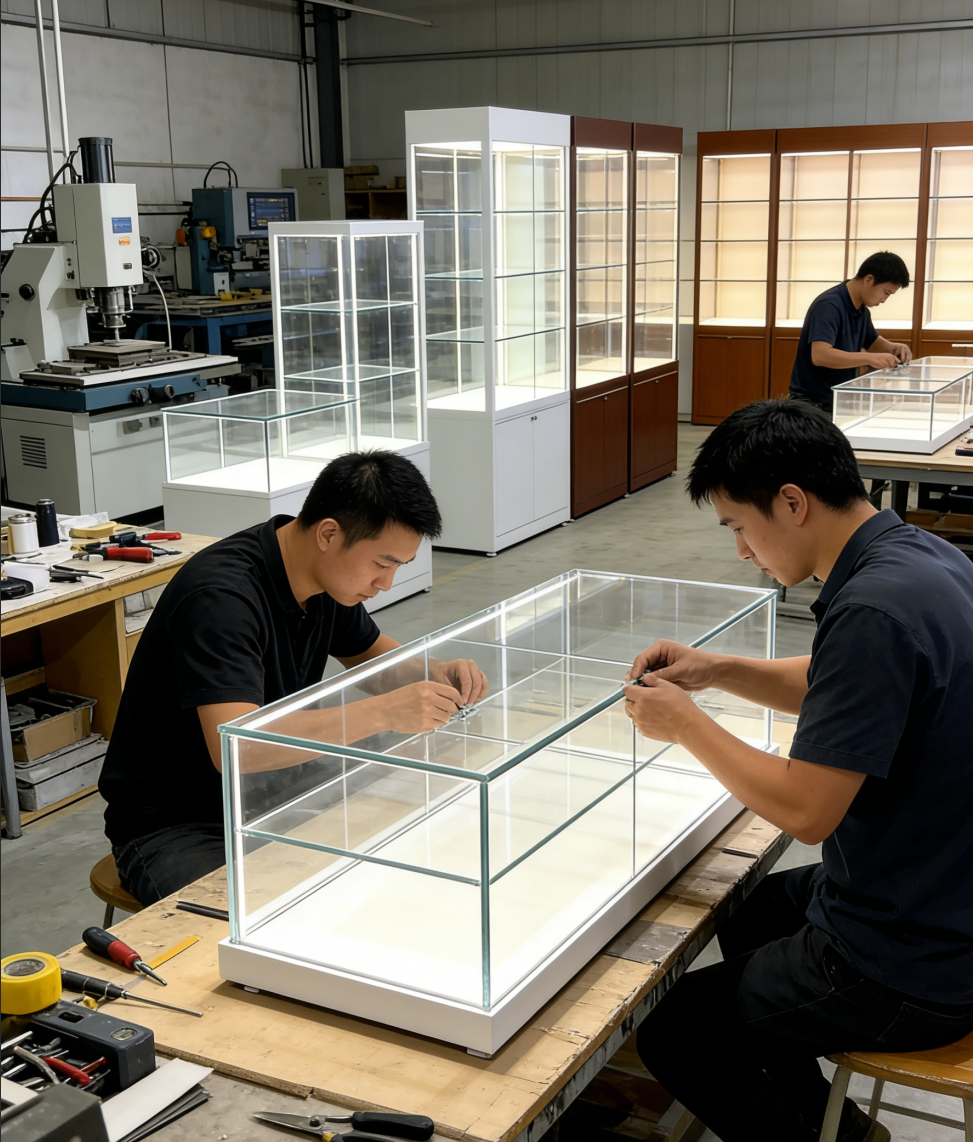
השגת בהירות אופטית יוצאת דופן בלוסייט אקריליק היצרנות של מוצרים דורשת שילוב מתוחכם של תהליכי ייצור מדויקים, בקרות איכות מחמירות וטכניקות מיוחדות לעיבוד חומרים. השקיפות והבהירות שמגדירים יישומים פרמיומים של אקריליק לוסייט — מהתצגות להצגה ועד התקנות אדריכליות — תלויות באופן בסיסי באיך יצרנים מבקרים כל שלב בתהליך הייצור. הבנת תהליכי היצור הללו חושפת את הסיבה לכך שחלק מהמוצרים האקריליים שומרים על מראה קריסטל-ברור, בעוד אחרים מפתחים עננות, עיוות או פגמים על פני השטח שפוגעים במראה החזותי שלהם ובביצוע הפונקציונלי.
הבהירות של אקריליק לוסיט אינה תוצאה פשוטה של בחירת החומר, אלא תוצאה שתוכננה בכוונה דרך החלטות ייצור מדויקות לאורך כל התהליכים: פולימריזציה, יציקה, גימור והרכבה. כל שלב בתהליך מציג סיכונים אפשריים לאיכות האופטית — מהזיהומים ברמת המולקולות במהלך הפולימריזציה ועד לכתמים מיקרוסקופיים במהלך היצירה — מה שדורש מהיצרנים ליישם טכניקות מיוחדות שמשמרות את השקיפות הטבעית של החומר. מאמר זה בוחן את תהליכי הייצור הספציפיים שמבטיחים בהירות במוצרים של אקריליק לוסיט, ומספק לקונים תעשייתיים ולמפרטים ידע פרקטי להערכת יכולות הספקים וחיזוי הביצועים של המוצר ביישומים דרמטיים.
פולימריזציה ובקרת ניקיון החומר
תהליך היציקה בתא לאקריליק באיכות אופטית
שיטת הפולימריזציה בהזרקה לתא מייצגת את הסטנדרט האלטי לייצור לוחות ובלוקים אקריליים מלווסיט בעלי שקיפות גבוהה. תהליך האצווה הזה כולל שפיכת מונומר מתיל 메טאק릴ט נוזלי בין שתי לוחות זכוכית המופרדות על ידי חגורת סגירה גמישה, ולאחר מכן פולימריזציה איטית של החומר בתנור מבוקר בטמפרטורה במשך מספר שעות. הסביבה המבוקרת לפולימריזציה מאפסת את המתח המכני והגרדיאנטים התרמיים שמקשים על תהליכי היציקה הרציפים, מה שמוביל לחומר בעל תכונות אופטיות עליונות. אקריליק מלווסיט מוזרק לתא משיג בדרך כלל שיעורי העברת אור העולים על 92 אחוז, ובכך מתאים או עולה על זכוכית אופטית ביישומים רבים.
יצרנים שומרים על בהירות במהלך יציקת התאים באמצעות בקרה מדויקת על פרופילי טמפרטורת הפולימריזציה שמונעים עלייה מהירה בחום, אשר עלולה לגרום לשבירת מתח פנימית הניתנת לצפייה כעכירות או כהשתנות דו-צירית. העלייה הדרגתית בטמפרטורה מאפשרת לשרשראות הפולימר להיווצר במבנים מאורגנים ואחידים, ללא אי-סדר מולקולרי המפזר את האור. יצרנים מובילים משתמשים מחזורי חימום רב-שלביים עם בקרת טמפרטורה מדויקת בתוך שני מעלות צלזיוס, ומבטיחים מבנה מולקולרי אחיד לאורך כל עובי האקריליק הלוציט. תשומת לב זו לניהול החום במהלך הפולימריזציה קשורה ישירות לבהירות האופטית של המוצר הסופי ולחופש שלו מהעוותות הפנימיות.
טוהר המונומר ותקני הסינון
איכות החומר הגלמי קובעת באופן בסיסי את הפוטנציאל להבהירות של מוצרי האקריליק הלוסייט המוגמרים. יצרנים מזמינים מונומר מתיל 메טאקרילט ברמת טהרה העולה על 99.5 אחוז, עם מגבלות מחמירות על זיהומים כגון מים, פרוקסידים ומגבים לבלימת הפולימריזציה שיכולים לגרום לערפלות בחומר הסופי. לפני הפולימריזציה, יצרנים מובילים מיישמים מערכות סינון רב-שלביות המשתמשות במסננים תת-מיקרוניים המורידים זיהום חלקיקי שאינו נראה לעין הרואה, אך מסוגל ליצור פגמים בפיזור אור באקריליק המוקשה. פרוטוקולי הסינון הללו כוללים לעיתים קרובות טיפול בפחם פעיל להסרת זיהומים אורגניים ומערכות חילוף יונים להסרת מתכות במומסים.
הבחירה ותפעול הקטליזטורים והמופעלים משפיעים גם הם באופן משמעותי על בהירות האקריליק לוסייט. יצרנים משלבים בזהירות את ריכוזי המופעלים כדי לקדם המרה מלאה של המונומרים, מבלי להשאיר תרכובות לא מומרות שנותרות, אשר עלולות להירגע או להציף עם הזמן. מערכות מופעלים רגישות לטמפרטורה מאפשרות בקרה מדויקת על קינטיקת הפולימריזציה, ומניעות היווצרות אוליגומרים בעלי מסה מולקולרית נמוכה אשר פוגעים בתכונות האופטיות. יצרנים מתקדמים שומרים על תנאי חדר נקי במהלך הכנת המונומרים ובמהלך פעולות הזריקה, תוך הכרה בכך שאפילו חלקיקים זעירים של אבק באוויר יכולים להשתרש באופן קבוע באקריליק לוסייט בזמן הקיבוע, ויוצרים כלולים נראים לעין אשר פוגעים בהבהירות.
פרוטוקולי השהייה להסרת מתח
הטיה לאחר הפולימריזציה מהווה תהליך קריטי להבטחת שקיפות לטווח ארוך במוצרים מאקריליק לוקייט. במהלך הפולימריזציה והקירור, נוצרים מתחים פנימיים בחומר עקב התכווצות תרמית וקיפוי לא אחיד. מתחים שאריים אלו מתגלמים כשבירה כפולה — מצב שבו החומר מפגין שבירה כפולה בעת תצפית באור מקוטב — ובסופו של דבר עלולים לגרום לנזקים מתחיים שמקלקלים את השקיפות האופטית. יצרנים מטפלים בכך באמצעות מחזורי הטיה מבוקרים המתחממים את האקריליק הלוקייט הקשוי לטמפרטורות קרובות אך נמוכות מנקודת המעבר הזכוכית שלו, מה שמאפשר לשרשראות המולקולריות להשתחרר ולפזר מחדש את המתחים הפנימיים.
פרוטוקולים מקצועיים של השהייה בחום (Annealing) ללקיט אקריליكي באיכות אופטית מערבים בדרך כלל חימום החומר לטמפרטורות שבין 70 ל-80 מעלות צלזיוס במשך מספר שעות, ולאחר מכן קירור איטי ביותר שמנע את הוספת מחדש של מתח תרמי. הטמפרטורה המדויקת והמשך הזמן תלויים בעובי החומר, כאשר מקטעים עבים יותר דורשים זמני השהייה בחום ארוכים יותר כדי להשיג הפחתת מתח אחידה בכל חתך הרוחב. יצרנים מאשרים את יעילות השהייה בחום באמצעות בדיקת פולריסקופ, אשר חושפת דפוסי מתח שאינם נראים בתנאי תאורה רגילים. רק לקיט אקריליكي שמפגין דו-שבירות מינימלית לאחר השהייה בחום עומד בדרישות הספציפיקציה ליישומים בעלי בהירות אופטית גבוהה, שבהם לא ניתן לסבול עיוות אופטי.
מכונה מדויקת והכנה לפני עיבוד משטח
טכנולוגיות חיתוך שמשמרות את בהירות הקצוות
השיטות המשמשות לחתך ולצורת אקריליק לוקייט משפיעות ישירות על שקיפות הצלע ואיכות התמונה הכוללת. חיתוך באור לייזר, למרות שהוא פופולרי לעיצובים מורכבים, מכניס חום שעשוי לגרום לשינוי צבע בצלע ולקורעיות מיקרוסקופית אם לא נשלט בזהירות עם הגדרות עוצמה מהירות חיתוך מתאימות. יצרנים מקצועיים של מוצרים מאקריליק לוקייט שדורשים ברורות קריטית מעדיפים בדרך כלל חיתוך מדויק באמצעות מסור עם שיני כרבית המיועדות במיוחד לאקריליק, אשר מייצרות חתכים נקיים עם ייצור מינימלי של חום. שיני המסור המיוחדות הללו כוללות גאומטריות שיניים ועיצוב תעלות שמאפשרים את הסרת הגרגרים באופן יעיל תוך שמירה על קצות חיתוך חדים שחותכים את החומר ולא ממסים אותו.
מכונות CNC מבוססות רוטר מספקות אפשרות נוספת לשימור הברורה לצורה אקריליק לוקייט רכיבים. עיבוד מהיר עם כלים חדים וממויינים יוצר קצוות חלקים הדורשים עיבוד לאחרי מינימלי כדי להשיג בהירות אופטית. יצרנים מאופטמים את קצב ההזנה, מהירות הציר והגאומטריה של הכלים כדי למנוע התלכדות שבבים – תופעה שבה אקריליק נמס מתאזר מחדש על פני המשטח המעובד ויוצר אזורים מעוננים המפיצים אור. הפעלת נוזל קירור במהלך העיבוד עוזרת לשלוט בבניית החום, אך היצרנים חייבים להשתמש בנוזלי קירור שמתאימים לכימיה של האקריליק כדי להימנע מהתפצלות מתח כימית או מהתעקלות משטחית שמזיקה לבהירות.
סANDING פרוגרסיבי ושיפור המשטח
השגת משטחים שקופים, דמויי זכוכית, על קצות אקריליק לוסיט מעובד דורשת התקדמות שיטתית דרך גרגירים מחסנים בעלי גודל יורד. יצרנים בדרך כלל מתחילים בגרגירים גסים בגודל כ-120 כדי להסיר סימני עיבוד, ולאחר מכן עוברים לנייר חלקלוק בגודל 220, 320, 400 ו-600 כדי לשפר הדרגה את טקסטורת המשטח. כל שלב של חלקלוק מסיר את השריטות שנוצרו בשלב הקודם, ומייצר בו זמנית שריטות עדינות יותר שמבזלות פחות אור. דילוג על גודלי גרגרים או התמהמהות במעבר בין השלבים הביניימיים משאירות שריטות גסות שנותרות נראות גם לאחר המברשת הסופית, ופוגעות באופן בלתי הפיך בהבהירות הקצה.
טכניקת הסANDING עצמה משפיעה על תוצאות הבהירות. יצרנים מדריכים טכנאים לשמור על לחץ קבוע ואופני תנועה עקביים שיוצרים שיפור אחיד של המשטח ללא יצירת שקעים מקומיים או גלים. טכניקות סANDING רטובות המשתמשות במים או בשמנים מיוחדים מונעות הצטברות חום שיכולה לגרום למסיסות המשטח ולקריזינג מיקרוסקופי. עבור מוצרים אקריליים מסוג לוקייט הדורשים בהירות יוצאת דופן, היצרנים מרחיבים את תהליך הסANDING לכולל גרנולציות עדינות במיוחד: 800, 1000 ואף 1500, לפני מעבר לקומפוזיציות פוליש. הכנה זהירה זו של המשטח יוצרת את היסוד להטלת הפוליש הסופית, אשר משחזרת את השקיפות האופטית לקצוות המוכנים בעריכה מכנית.
פוליש בעשן ופוליש מכני
הטלת להבה היא השיטה היעילה ביותר לשחזור בהירות קריסטלית לקצוות אקריליק לוסיט לאחר פעולות עיבוד וסידור. תהליך זה כולל מעבר מהיר של להבה מבוקרת במדויק על פני המשטח המוכן, הממסה שכבת חומר דקה שזורמת כדי למלא סדקים מיקרוסקופיים וליצור מסיון אופטי חלק. יצרנים מקצועיים משתמשים בלהבות המבוססות על מימן וחמצן שיוצרות להבות נקיות בטמפרטורה גבוהה, ללא שאריות אפר שחורות הנגרמות על ידי להבות אצטילן או פרופאן. המפתח להצלחת טלת הלהבה הוא שמירה מדויקת על המרחק בין הלהבה למשטח ומהירות ההתקדמות — אם ההתקדמות איטית מדי, החומר מבעבע או צובע לצהוב עקב חימום יתר; ואם היא מהירה מדי, לא מתרחשת מסיסה מספקת כדי להיפטר מהטקסטורה של המשטח.
הברקה המכנית עם חומרים לבריקה מהווה גישה חלופית או משלימה להשגת בהירות על פני שטח אקריליק לוקסיט. יצרנים משתמשים בחומרים לבריקה בעלי דרגות עיבוד הולכות וגוברות, הכוללים חלקיקים מחוסמים בגדלים קטנים הולכים וגוברים, אשר מוחלים בעזרת גלגלים לבריקה מבד פשתן או כותנה הסובבים במהירויות מבוקרות. תהליך הבריקה יוצר חום חיכוך שמעריך קלות את שטח האקריליק, מה שמאפשר לחלקיקים המחוסמים להחליק אי-סידור מיקרוסקופי תוך יצירת מראה נוצץ ושקוף. יצרני אקריליק לוקסיט באיכות גבוהה לרוב משלבים בריקה בלהבה לקצוות עם בריקה מכנית למשטחים שטוחים, ובוחרים את הטכניקה האופטימלית לכל תכונה גאומטרית כדי למקסם את הבהירות הכוללת ולמזער את זמן העיבוד.
הרכבה והדבקה ללא פגיעה בבהירות
כימיה ודבקת צמיג ממסים
הצטרפות רכיבי אקריליק לוסיט ללא יצירת מפרדים נראים או קווי הדבקה מעורפלים דורשת שליטה מלאה בתרכובות צבעוני הדבקה המבוססים על ממסים ובטכניקות הפעלתן. צבעוני הדבקה המבוססים על ממסים פועלים על ידי התמוססות חלקית של שטח האקריליק בנקודת המפגש, מה שמאפשר לשרשראות הפולימר של החלקים הסמוכים להתערבב ולהרכיב קשר מולקולרי עם התאדות הממס. בהירות הקווים האלה תלויה באופן קריטי בתרכובת הממס, כאשר תרכובות מבוססות כלוריד 메틸ן או כלוריד אתילן מספקות את התכונות האופטיות הטובות ביותר כאשר הן מופעלות כראוי. יצרנים בוחרים את צמיגות הממס המתאימה לגאומטריה של המפגש – ממסים דלילים, דומים בממדיהם למים, להדבקת מפגשים הדוקים באמצעות פעולת הקפילריות, ותרכובות עבות יותר, בעקביות של סירופ, למפגשים בעלי פערים זעירים.
טכניקת הפעלה משפיעה באופן משמעותי על בהירות החיבור במערכות אקריליק לוסייט. מומס רב מדי גורם לריכוך יתר שמביא ליצירת סדקים, בועות או להלבנות מתח שנראים כאזורים מעוננים סביב המפרקים. מומס לא מספיק יוצר חיבורים חלשים שעשויים להיראות בהירים בתחילה, אך יפתחו סדקים מיקרוסקופיים עם הזמן כאשר מתח מכני מתרכז בממשק שלא התמזג לחלוטין. יצרנים מקצועיים מחליקים את צמנט המומס באמצעות מחליקים מדויקים כגון משאבות או בקבוקים בעלי קצה עדין שמספקים כמויות מבוקרות ישירות למפרקים. לחיבור קפילרי, הם ממצבים את הרכיבים עם פערים זעירים, ולאחר מכן מכניסים מומס דק שמתפשט לתוך המפרק על ידי פעולת הקפילריות, ויוצר חיבורים כמעט בלתי נראים שמשמרים את בהירות האקריליק של לוסייט בכל המערכת.
תמחור מכני במהלך הקישוח
תחזוקת יישור מושלם במהלך הקיבוע של צמנט המבוסס על ממס מונעת את היווצרותם של מרכזים של מתח ועיוותים אופטיים שפוגעים בהבהירות של מוצרים מחומרים מאקריליק לוסייט שנאספו. יצרנים משתמשים במבני תקיעה מדויקים שמוחזקים את הרכיבים במיקום מדויק תוך כדי מתן לחץ תקיעה מבוקר שמביא את משטחי החיבור ליצירת מגע הדוק, מבלי להפעיל מתח מופרז. לחץ התקיעה חייב להיות ממויין בזהירות: מעט מדי לא יגרום למגע מלא בין המשטחים, מה שיגרום לקיבוע חלקי ולחורים נראים, בעוד שלחץ מופרז ידחס את הצמנט החוצה וייתכן שיגרום לעייפות מתחית בחומר הסמוך.
ניהול זמן הקישוט משפיע גם על הבהירות הסופית של חיבורים של אקריליק לוקייט. צבעים ממסיסים דורשים זמן מספיק להתאדות הממס וההתלכדות של שרשראות המולקולות כדי להגיע לכוח מלא. יצרנים שמסירים את החיזוקים מוקדם מדי מסכנים תזוזת המפרקים בשלב הקישוט הסופי, מה שיוצר מתחים פנימיים שמופיעים כשבירה כפולה (בירפרינגנציה) או כתלות מאוחרת בקרעיות. מצד שני, החזקת החיזוקים למשך זמן ארוך יותר מזמן הקישוט הנדרש מפחיתה את יעילות הייצור ללא שיפור בהירות. יצרני מקצוע מתקינים לוחות קירור מבוססי מדע בהתאם לגאומטריה של המפרק, تركيب הצבע והתנאים הסביבתיים, ומבטיחים קישוט מלא ללא עיכובים מיותרים. הפחתת המתח לאחר החיבור באמצעות טיפול חום קל יכולה לשפר עוד יותר את הבהירות, בכך שמאפשרת לממס הנותר להתאדות ולשרשראות הפולימר להשתחרר למצבים נמוכי מתח.
שיטות חיבור חלופיות ליישומים רגישים
לחלק מהיישומים של אקריליק לוסיט יש דרישות לשיטות חיבור שמבטלות לחלוטין את החשיפה לממסים, בגלל חששות לגבי תאימות כימית או דרישות אסתטיות. חיבור מכני באמצעות ברגים מיוחדים שנועדו לאקריליק מהווה אפשרות אחת, אם כי גישה זו מכניסה ציוד ראייתי ומרכזי מתח סביב נקודות החיבור שיכולים לפגוע בהבהירות במידה ולא מתמודדים עימם בזהירות. יצרנים קובעים מראש חורים גדולים יותר לצורך התאמה כדי למנוע סדקים תחת מתח, ומשתמשים במחברות כדי לחלק את עומס הקיבוע על שטחים גדולים יותר. ברגים המרכיבים חוט (Thread-forming screws) שתוכננו במיוחד לפלסטיות מפחיתים את מתח ההתקנה בהשוואה לברגים המקצצים חוט (thread-cutting designs) שמסירים חומר ויוצרים מרכזים חדים של מתח.
אגרטנים מתקשים באולטרה סגול מייצגים אפשרות נוספת לחיבור מוצרים מאקריליק לוסיט, כאשר יש לשמור על שקיפות מקסימלית. תערובות מיוחדות אלו מתקשות במהירות רבה בעת חשיפה לאור אולטרה סגול, ויוצרות חיבורים ללא חריטת שטח הקשורה לאגרטנים מסיסים. מדד השבירה של אגרטנים מתקשים באולטרה סגול איכותיים מתאם בקירוב את מדד השבירה של האקריליק, מה שהופך את קווי החיבור כמעט בלתי נראים כאשר הם מוחלים כראוי. עם זאת, החיבור באולטרה סגול דורש תכנון מדויק של המפרקים, כולל שליטה בממדים של הפער ביניהם, כדי להבטיח כיסוי מלא באגרטן ותהליך מתקשה אחיד בכל עובי החיבור. היצרנים חייבים גם לקחת בחשבון את מגבלות חדירת האולטרה סגול במפרקים עבים או בגאומטריות שבהן רכיב אחד מצליל את קו החיבור מהקרינה המתקשית.
בקרת סביבה ופרוטוקולי טיפול
ניהול טמפרטורה ו לחות
סביבת היצור משפיעה באופן משמעותי על תוצאות הבהירות בייצור אקריליק לוסייט. תנודות בטמפרטורה גורמות לשינויים ממדיים ברכיבי האקריליק שיכולים לגרום למתח במהלך פעולות ההרכבה או לפגוע בדיוק העיבוד המיכון. יצרנים מקצועיים שומרים על מתקנים עם בקרה קlimטית, שבה טמפרטורת הסביבה נותרת יציבה בתוך טווח של פלוס או מינוס שלוש מעלות צלזיוס, כדי לאפשר לחומר האקריליק לוסייט להתייצב תרמית לפני עיבוד. יציבות תרמית זו מונעת עיוות ופיתוח מתח פנימי שמופיעים כעיוותים אופטיים או כאובדן בהירות במוצרים הסופיים.
בקרת הרطיבות הוכחה כחשובה באותה מידה לשמירה על בהירות האקריליק הלוסיט לאורך תהליך הייצור. אם כי האקריליק סופג כמות מינימלית של לחות בהשוואה למספר פלסטיקים אחרים, קondenציה על פני השטח של החומר במהלך מעברי טמפרטורה יכולה ליצור כתמים מים או לפגוע בתהליכי הדבקה. יצרנים שומרים על רמת רטיבות יחסית בין שלושים לחמישים אחוז כדי למנוע קondenציה, תוך מניעת הצטברות חשמל סטטי הנובעת מתנאים יבשים במיוחד. מטעני חשמל סטטיים מושכים חלקיקי אבק צפים באוויר שיכולים להשתרש בפני השטח המרוכך של האקריליק במהלך עיבוד תרמי או להתחבר למפרקים שהודבקו לאחרונה, מה שיוצר פגמים נראים המחללים את הבהירות האופטית.
מניעת זיהום ותפיסה נקייה
תחזוקת משטחים מושלמים לאורך תהליך היצרנות דורשת פרוטוקולי בקרת זיהום קפדניים שמניעים מגע עם שומנים, אבק וחומרים חלקתיים. יצרנים מדריכים את העובדים לנהל אקריליק לוקייט תוך שימוש בכפפות חסרות פליז שמניעות את הדביקה של שמן האצבעות על המשטחים. שמן העור מכיל תרכובות שיכולות לאכל את האקריליק לאט, ויוצרות אזורים מעוננים שמפתחים את עצמם בשבועות או בחודשים הבאים לאחר ניקוי שנראה מוצלח.
השימור באמצעות כיסוי הגנה מהווה פרוטוקול טיפול קריטי נוסף. רוב דפי האקריליק הלוסייט מגיעים מספקים עם כיסוי הגנה נייר או פילם שמנע סריטה במהלך השינוע והאחסון. יצרנים מקצועיים שומרים על הכיסוי הזה לאורך כל שלבי העיבוד האפשריים, ומסירים אותו רק כאשר זה הכרח לצורך פעולות מסוימות. כאשר יש צורך להסיר את הכיסוי, היצרנים מחליפים אותו מיד או מעבדים את המשטח הגלוי עד לסיום מלא לפני שהמשיכים בעיבוד. גישה מאורגנת זו לבקרת זיהום מבטיחה שמוצרי האקריליק הלוסייט שומרים על בהירותם מהחומר הגלמי ועד lắpת הסדרה הסופית והאריזה.
בקרה ואמת איכות
פרוטוקולי בדיקה שיטתית בשלבים מרובים של הייצור מבטיחים שהתקנים לבהירות מוחזקים לאורך תהליך ייצור האקריליק לוסייט. בדיקה ויזואלית באור מבוקר חושפת פגמים על פני השטח, שריטות וזיהום שעלולים לפגוע בתכונות האופטיות. היצרנים משתמשים בגאומטריות אור סטנדרטיות וזוויות תצפית סטנדרטיות כדי לזהות בעיות בהירות עדינות שבלתי נראות בתנאי תאורה סביבתית. טכניקות תאורה מאחור הוכחו כיעילות במיוחד בגילוי כלולות פנימיות, דפוסי מתח ופגמי קווי הדבקה במוצרים מאספים של אקריליק לוסייט.
בקרת איכות מתקדמת כוללת מדידות אופטיות כמותיות באמצעות ספקטרופוטומטרים שמודדים את מעבר האור בטווח הנראה. מכשירים אלו מזהים ירידה בהבהירות שאינה נראית לעין האנושית, ומספקים אימות אובייקטיבי לכך שמוצרים מאקריליק לוסיט עונים על תקני הביצוע האופטיים שנקבעו. מדדי הערפל (Haze meters) מודדים את האחוז של האור שעבר שנשבר בזוויות רחבות — מדד מפתח לאיכות המשטח והבהירות הפנימית. יצרנים מקצועיים קובעים קריטריוני קבלה בהתבסס על דרישות היישום, ודוחים חומר שלא עונה על סף המעבר או על סף הערפל שנקבעו, ללא קשר למראה החיצוני שלו. גישה מבוססת נתונים זו לביטחון האיכות מבטיחה עקביות בביצועי ההבהירות לאורך מגרעות ייצור.
טיפולים לאחר הייצור והגנה
יישור של שכבת הגנה
למרות שקריסטל אקריליk לוסיט עמיד מטבעו לבלאי ולהשחירויות יותר מאשר פלסטיק רב-מגזרי, שכבת הגנה יכולה לשפר עוד יותר את שימור הבהירות בסביבות שירות קשות. טיפולים בשכבה קשה מחלקים שכבות דקות של סילוקסן או פולימרים אקריליים שמעלים את הקשיחות הפנים, ובכך מפחיתים את הרגישות לכתמים שמביאים בהדרגה לפגם בהבצתיות האופטית. השכבות הללו נקשות ויוצרות שכבות פנים כימיות מחוברות עם מקדם שבירה דומה מאוד לאקריליק הבסיסי, מה שמשמר את השקיפות תוך כדי סיפוק הגנה מכנית. יישום השכבות דורש בקרה מדוקדקת על פרמטרי הזריקה ותנאי הקִרְיָה כדי להשיג עובי אחיד של השכבה ללא יצירת ערפיליות או טקסטורה על פני השטח.
ציפויים مقاومים ל־UV מציעים אפשרות הגנה נוספת ליישומים חיצוניים של אקריליק לוקייט, שבהם חשיפה ממושכת לשמש עלולה לפגוע בהבהירות האורכית. התרכובות הללו מכילות תרכובות מוציאות קרינה فوق סגולה שמתפוגגות כדי למנוע פגיעה בפולימר האקרילי התחתון. הציפוי סופג את הקרינה העל-סגולית המזיקה ומבטל את האנרגיה כחום לא מזיק, ובכך מונע תגובות שבירת שרשרת שגורמות להצהבה ולצמיגות. יצרנים חייבים לשלב בין יעילות ההגנה מפני קרינה על-סגולה לבין הפחתה אפשרית בהבהירות, מאחר שחלק מתרכובות ה־UV מוסיפות צבע קל. תרכובות מתקדמות מספקות הגנה חזקה מפני קרינה על-סגולה עם השפעה מינימלית על מעבר האור הנראה, ומכאן שהבהירות של האקריליק לוקייט נשמרת לאורך זמן שירות ארוך.
שקילה ונושאי תחבורה
הגנה על בהירות היצור באמצעות משלוח למשתמשים הסופיים דורשת אריזה מחושבת שמניעה חילוף, זיהום ופגעי מתח במהלך השינוע. יצרנים שומרים או מוסיפים מסכה הגנתית חדשה לפני האריזה, כדי להבטיח שמשטחי האקריליק הלוקייט ישארו טריים למרות הטיפול בזמן ההובלה. חומרי אריזה קשיחים מונעים עקימה שיכולה לגרום לבקיעות מתח, בעוד שחומרי ספוג נוגנים בכוחות הפגיעה ללא יצירת נקודות לחץ שממוקדות במתח. ליישומים קריטיים במיוחד, יצרנים משתמשים בתוספות פוליאורית מותאמות אישית שנותנות תמיכה אחידה לרכיבי האקריליק הלוקייט, ומבטלות עומסים נקודתיים שיכולים לגרום למתח מקומי או לבקיעות.
הגנה על הסביבה במהלך השילוח מונעת ירידה בהבהוביות עקב חשיפה לקיצונים של טמפרטורה או לחות. יצרנים עלולים לכלול אריזות נוגנות לחות כדי לשלוט ברמת הלחות באריזה המוצלחת, ובכך למנוע היווצרות קondenסציה בעת מעברי טמפרטורה. משלוחים רגישים לטמפרטורה משתמשים באריזה מבודדת או בלוגיסטיקה מבוקרת מבחינה תרמית כדי למנוע מחזורי חום שגורמים לשינויים ממדיים ומתח פנימי. גישה מקיפה זו לאריזה וללוגיסטיקה מבטיחה שהבהוביות שהושגה באמצעות תהליכי ייצור מדוקדקים תישמר בשלמותה לאורך כל שלבי ההגעה, ההתקנה והשימוש הראשוני, ותספק למשתמשים הסופיים את הביצועים האופטיים שמגדירים מוצרים פרמיומים של אקריליק לוקייט.
שאלות נפוצות
למה הבהוביות של אקריליק לוקייט משתנה בין יצרנים שונים?
השונות בעדינות של מוצרים מקריליק לוסיט נבעת מהבדלים בשליטה בתהליך הייצור, בתקנים למקור החומר ובמגבלות האכיפה של בקרת האיכות. יצרנים המשתמשים בשיטת הזרקה לתא עם שליטה מדויקת בטמפרטורה, מונומרים בעלי טהרה גבוהה ופרוטוקולי השהייה מאומתים מייצרים באופן עקבי חומר ברור יותר מאלו שמתבססים על תהליכים פחות מבוקרות. איכות הציוד, רמת הכישורים של הטכנאים, הבקרה הסביבתית ופרוטוקולי הבדיקה כולם תורמים להבדלים בעדינות. יצרנים מובילים משקיעים באימות תהליכים, בבקרת איכות סטטיסטית ומערכות שיפור מתמיד שמתחזקות את הסיבולת הצרופה במאפיינים אופטיים, בעוד שספקים ברמה נמוכה יותר עשויים לקבל מגוון רחב יותר של וריאביליות בביצוע כדי לצמצם עלויות.
האם ניתן לשחזר קריליק לוסיט מחוספס לעדינות המקורית שלו?
שריטות קלות על פני השטח באקריליק לוסיט ניתנות לעיתים קרובות להסרה באמצעות שיוף וליטוש זהירים, מה שמחזיר את השקיפות כמעט המקורית אם הנזק לא חדר עמוק מדי. תהליך השיקום כולל שיוף הדרגתי דרך גרגירים עדינים כדי ליישר את פני השטח מתחת לעומק השריטה, ולאחר מכן ליטוש כדי לשקם את החלקות האופטית. עם זאת, שריטות עמוקות עשויות לדרוש הסרת עובי חומר מוגזם, דבר שעלול לפגוע בדיוק הממדי או בשלמות המבנית. שיקום מקצועי דורש מיומנות כדי להימנע מיצירת גלי שטח או שקעים מקומיים המכניסים עיוותים אופטיים חדשים. ציפויי הגנה או נהלי טיפול משופרים מספקים ערך לטווח ארוך טוב יותר מאשר מחזורי שיקום חוזרים ונשנים.
איך החיבורים הדביקים משפיעים על הבהירות הכוללת במוצרים מאקריליק לוסיט מונצקים?
חיבורים מדויקים של צמנט ממס במיליט אקרילייק יוצרים מפרקים כמעט בלתי נראים, ומשמרים רציפות אופטית לאורך כל הרכבה. תהליך הלחיצה באמצעות הממס מאחד את החומר ברמה המולקולרית, ומבטל את אי-הרציפות באינדקס השבירה שגורמת להבחנה חזותית של המפרקים. עם זאת, טכניקת חיבור לקויה עלולה ליצור בועות, קריעות מתח או התאחות לא מלאה שמביאות לפיזור האור ויוצרות פגמים נראים. עיצוב המפרק משפיע באופן משמעותי על תוצאות הבהירות — מפרקים הממוקמים בניצב לכיוון ההתבוננות נוטים להיות פחות נראים מאשר אלו הממוקמים במקביל לקווי הראייה. יצרנים מקצועיים ממוקמים את המפרקים הקריטיים כדי למזער את ההשפעה החזותית תוך שמירה על דרישות המבנה.
אילו פעולות תחזוקה משמרות את הבהירות במוצרים מיליט אקרילייק במהלך השימוש?
תחזוקת בהירות האקריליק (לוקייט) דורשת ניקוי עדין בחומרים מתאימים והימנעות מחשיפה לכימיקלים לא תואמים. המשתמשים צריכים לנקות את המשטחים באמצעות בד רך, חסר פרווה, עם סבון עדין ומים או ניקיונים המיועדים במיוחד לאקריליק, תוך הימנעות מחומרים קשוחים, מוצרים המכילים אמוניה וממסים ארומטיים שיכולים לגרום ליצירת סדקים זעירים. ניקוי שוטף מאבק מונע הצטברות של חלקיקים שיכולים לפגוע במשטחים במהלך הניקוי. ניתן להחיל כיסויים או סרטים מגנים בסביבות עם תנועה רבה כדי לספוג את ההתבלה שבעלת פוטנציאל לפגוע במשטחים האופטיים. בקרה סביבתית המגבילה את גבולות הטמפרטורה ואת החשיפה לأشלי UV מאריכה עוד יותר את שמירת הבהירות לאורך זמן שירות המוצר.