 EN
EN

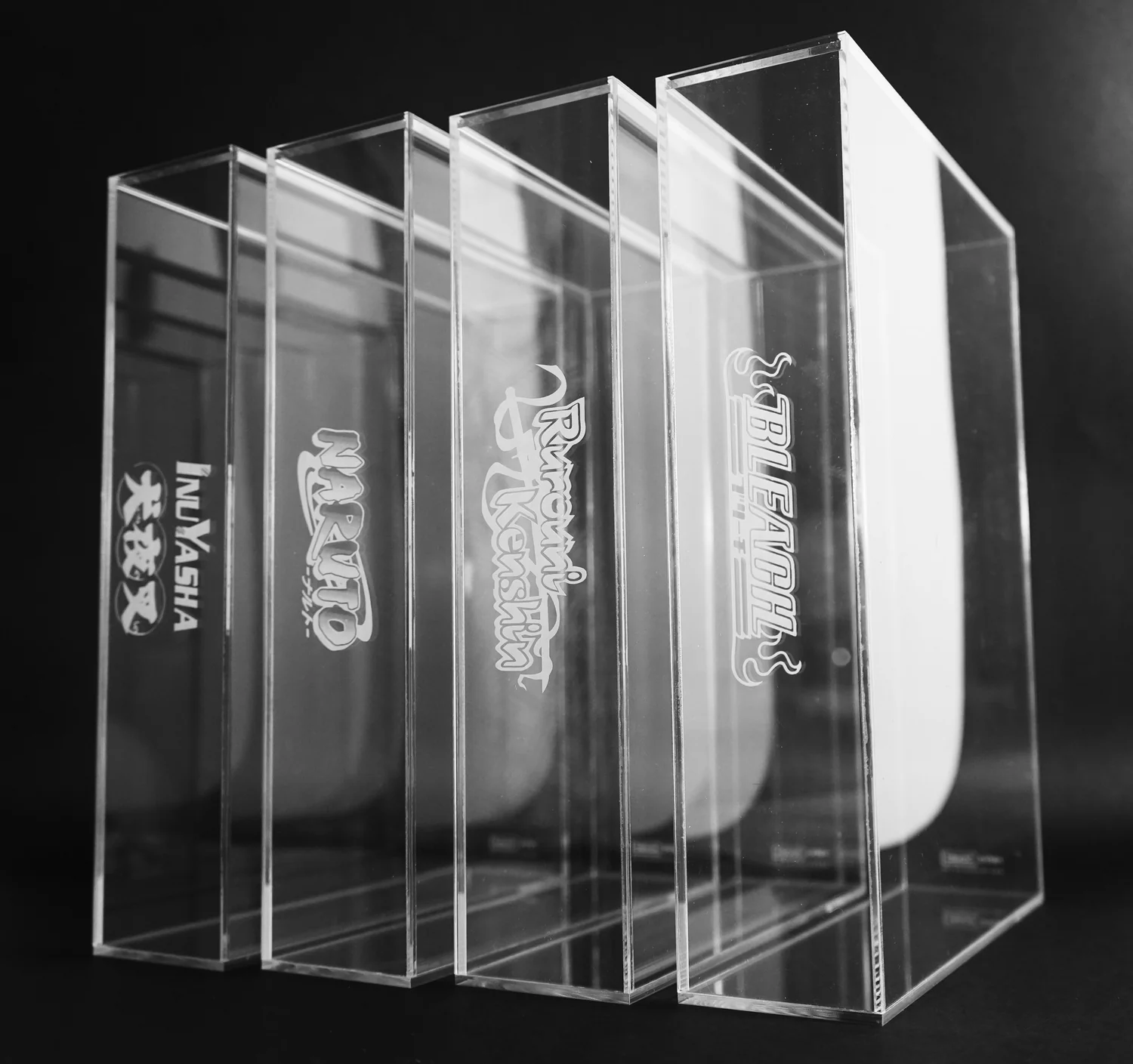
W świecie premium rozwiązań wyświetlaczowych lucite stał się materiałem wyboru dla projektantów i producentów dążących do tworzenia wyrafinowanych platform prezentacyjnych łączących przejrzystość optyczną ze stabilnością konstrukcyjną. Zrozumienie, w jaki sposób lucite przyczynia się do wysokiej klasy akrilik projekt wystawek wymaga analizy zarówno ich właściwości materiałowych, jak i możliwości estetycznych, jakie umożliwiają. Ten syntetyczny polimer, znany ze swojej wyjątkowej przejrzystości i trwałości, zrewolucjonizował sposób, w jaki kolekcjonerzy, detaliści oraz instytucje prezentują przedmioty o dużej wartości – od kart kolekcjonerskich po towary luksusowe. Ewolucja lucite w produkcji wystawek odzwierciedla szersze trendy w nauce materiałów i filozofii projektowania, w których funkcjonalność spotyka się z elegancją w dążeniu do idealnego rozwiązania wystawkowego.
Wyjątkowy wkład lucite w projektowanie wysokiej klasy szafek wystawowych wykracza daleko poza jego rolę jako zwykła przezroczysta bariera. Ten materiał pozwala projektantom osiągać stopnie czystości wizualnej i doskonałości konstrukcyjnej, których nie dałoby się osiągnąć przy użyciu tradycyjnego szkła ani gorszych alternatyw plastycznych. Gdy producenci wybierają lucite do zastosowań premium, decydują się na materiał charakteryzujący się doskonałą przepuszczalnością światła, wyjątkową odpornością na żółknienie w czasie oraz możliwością precyzyjnej obróbki w złożone geometrie bez utraty przejrzystości. Związek między strukturą molekularną lucite a jego właściwościami użytkowymi wpływa bezpośrednio na każdy aspekt projektowania szafek wystawowych — od niewidocznych połączeń narożnych po powierzchnie zachowujące odporność na zadrapania nawet po wielu latach użytkowania. Dla poważnych kolekcjonerów oraz profesjonalnych środowisk wystawowych te cechy przekształcają prostą ochronną obudowę w funkcjonalne dzieło sztuki.
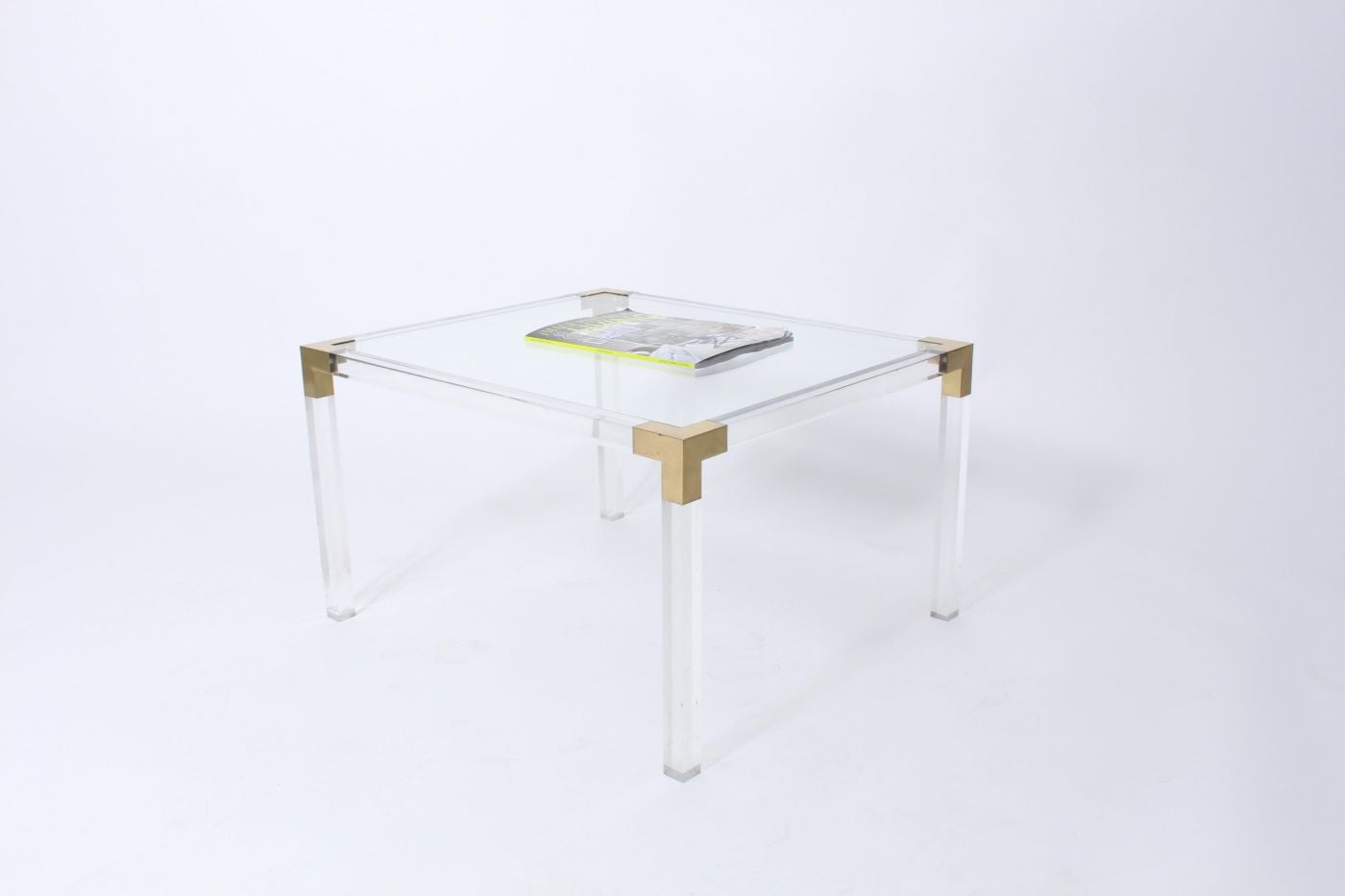
Nauka materiałów stojąca za doskonałymi właściwościami optycznymi Lucite
Struktura cząsteczkowa i doskonała przepuszczalność światła
Wysoka jakość optyczna lucite w projektowaniu wysokiej klasy szafek wystawowych wynika z jego unikalnej struktury molekularnej. W przeciwieństwie do konwencjonalnych tworzyw sztucznych zawierających zanieczyszczenia lub nieregularne łańcuchy polimerowe, lucite charakteryzuje się wysoce uporządkowaną strukturą metakrylanu metylu, która pozwala światłu przechodzić przez materiał z minimalnym zniekształceniem lub pochłanianiem. Ta precyzja molekularna zapewnia współczynnik przepuszczania światła przekraczający dziewięćdziesiąt dwa procent, zbliżając się do teoretycznego maksimum dla materiałów przeźroczystych. Gdy projektanci wybierają lucite do premium szafek wystawowych, korzystają z tej wyjątkowej przejrzystości, aby zagwarantować, że prezentowane przedmioty będą wyglądały dokładnie tak, jak zamierzono, bez przesunięć barwnych ani mglistości, które cechują gorsze alternatywy akrylowe. Współczynnik załamania materiału jest bardzo zbliżony do współczynnika załamania szkła o klasie optycznej, co tworzy wrażenie wizualne, w którym sama szafka wystawowa jakby znikała, pozostawiając widocznym jedynie prezentowany obiekt.
Proces produkcyjny lucite obejmuje rygorystyczne środki kontroli jakości eliminujące mikroskopijne pęcherzyki, smugi i wtrącenia, które mogłyby pogorszyć właściwości optyczne. Ta dbałość o czystość materiału staje się szczególnie istotna w zastosowaniach wysokiej klasy, gdzie gabloty mogą być umieszczane pod zaawansowanymi systemami oświetleniowymi lub oglądane z wielu kątów. Spójność właściwości optycznych lucite na całej grubości materiału zapewnia, że nawet grube ścianki gablot pozostają przezroczyste bez pojawienia się odcieni zielonkawych lub żółtawych, jakie charakteryzują zwykłe szkło przy większej grubości. Profesjonalni projektanci gablot wykorzystują te cechy do tworzenia rozwiązań wystawowych, w których bariera ochronna wzmocnia, a nie zakłóca doświadczenia wizualnego, umożliwiając zachowanie wiernych oryginalnym barw, faktur i szczegółów.
Odporność na promieniowanie UV oraz długotrwałe zachowanie przejrzystości
Jednym z najważniejszych wkładów lucite w projektowanie wysokiej klasy szafek wystawowych jest jego wyjątkowa odporność na degradację spowodowaną promieniowaniem UV. Choć wiele przezroczystych materiałów żółknie lub staje się kruche po długotrwałym narażeniu na światło słoneczne lub sztuczne oświetlenie, lucite zachowuje swoją przejrzystość optyczną przez dziesięciolecia w warunkach, które zniszczyłyby zwykłe tworzywa sztuczne. Ta stabilność wobec promieniowania UV wynika z dodatków stabilizujących wprowadzanych na etapie polimeryzacji, dzięki czemu powstaje materiał chroniący zarówno siebie, jak i umieszczone w nim przedmioty przed szkodliwym promieniowaniem. Projektanci szafek wystawowych stosują lucite przy prezentowaniu cennych kolekcji lub przedmiotów wrażliwych na światło właśnie dlatego, że działa on jako filtr ochronny, pozostając jednocześnie w pełni przezroczysty – zapewniając ochronę na poziomie konserwatorskim bez konieczności stosowania dodatkowych powłok blokujących promieniowanie UV, które mogłyby pogorszyć przejrzystość.
Długoterminowa wydajność lucite w zastosowaniach wystawowych została szeroko udokumentowana w środowiskach muzealnych i galeriowych, gdzie obudowy wyprodukowane kilkadziesiąt lat temu nadal funkcjonują z minimalnym pogorszeniem właściwości optycznych. Ta trwałość przekłada się bezpośrednio na wartość dla kolekcjonerów i instytucji inwestujących w wysokiej klasy rozwiązania wystawowe, ponieważ lucite obudowy wystawowe zachowują swój wygląd jak nowe przez cały okres eksploatacji. Odporność materiału na żółknięcie pod wpływem czynników środowiskowych zapewnia również stałą wierność barw, co jest czynnikiem krytycznym przy prezentowaniu przedmiotów, dla których ważna jest dokładność barw – takich jak dzieła sztuki, kolekcjonerskie przedmioty z przeszłości lub towar markowy, gdzie dokładna reprezentacja barw wpływa na postrzeganą autentyczność i wartość. Ta stabilność eliminuje konieczność okresowej wymiany, która dotyka rozwiązań wystawowych wykonanych z materiałów o gorszych właściwościach starzeniowych.
Precyzja obróbki i elastyczność projektowa w zastosowaniach premium
Zaawansowane techniki produkcyjne umożliwiające bezszwową montażowość
Wkład lucite do projektowania wysokiej klasy szafek wystawowych staje się szczególnie widoczny w technikach obróbki, które umożliwia. W przeciwieństwie do materiałów wymagających widocznych elementów łączących lub nieprzezroczystych klejów, lucite można łączyć metodami spajania rozpuszczalnikowego, tworząc wiązania molekularne między poszczególnymi elementami, co daje połączenia optycznie ciągłe z otaczającym materiałem. Dzięki tej możliwości projektanci mogą tworzyć szafki wystawowe z niewidocznymi szwami, w których panele wydają się płynąć bezszwowo jedna w drugą, bez wizualnego zakłócenia wynikającego z elementów ramy lub połączeń mechanicznych. Dokładność tolerancji obróbki skrawaniem osiągalna przy użyciu lucite oznacza, że elementy można wykonać tak, aby pasowały do siebie z minimalnymi szczelinami, co poprawia zarówno estetyczną doskonałość, jak i właściwości ochronne gotowej szafki wystawowej.
Wytwarzanie wysokiej klasy szafek wystawowych z lucite często wykorzystuje technologie frezowania CNC i cięcia laserowego, umożliwiające osiągnięcie dokładności wymiarowej mierzonej w tysięcznych cala. Precyzja ta staje się niezbędna przy tworzeniu szafek z magnetycznymi zamknięciami dopasowanymi na styk, konfiguracjami wielopoziomowymi lub projektami modułowymi, w których wiele jednostek musi idealnie do siebie pasować. Właściwości obróbkowe materiału pozwalają uzyskać ostre krawędzie, gładkie powierzchnie oraz złożone geometrie, których trudno lub niemożliwe jest osiągnięcie przy użyciu szkła lub tworzyw sztucznych wytwarzanych metodą wtrysku. Profesjonalni wykonawcy pracujący z lucite mogą tworzyć szafki wystawowe z zaokrąglonymi narożnikami, krawędziami sfazowanymi oraz wbudowanymi elementami montażowymi, które zwiększają zarówno funkcjonalność, jak i walory wizualne. Te możliwości produkcyjne przekładają się bezpośrednio na rozwiązania wystawowe spełniające najwyższe standardy luksusowych sklepów detalicznych, kolekcji o wysokiej wartości oraz instytucjonalnych przestrzeni wystawowych.
Możliwości dostosowania i zastosowania specjalistyczne
Elastyczność projektowa charakterystyczna dla lucite wykracza poza podstawową obróbkę i obejmuje specjalne opcje dostosowania, które wyróżniają wysokiej klasy gabloty wśród masowo produkowanych alternatyw. Lucite można precyzyjnie wiercić w celu integracji systemów oświetleniowych, tworząc gabloty, które oświetlają umieszczone w nich przedmioty z teatralną dokładnością, zachowując przy tym integralność konstrukcyjną i przejrzystość optyczną. Materiał ten nadaje się do różnych rodzajów obróbki powierzchni — od wykończeń polerowanych maksymalizujących odbijalność po krawędzie spalone (polerowane płomieniem), które zapewniają przejrzystość zbliżoną do szkła bez konieczności szlifowania i polerowania. Projektanci mogą określać grubość lucite w zależności od wymagań dotyczących ochrony oraz rozważań związanych z masą, tworząc rozwiązania gablotowe zoptymalizowane do konkretnych zastosowań — od przenośnych gablot wystawowych po stałe instalacje architektoniczne.
Możliwość termoformowania lucite przy zachowaniu jego właściwości optycznych otwiera dodatkowe możliwości projektowe dla wysokiej klasy gabineciów z powierzchniami zakrzywionymi lub złożonymi geometrycznymi w trzech wymiarach. Ta łatwość formowania pozwala projektantom na tworzenie rozwiązań wystawowych, które harmonizują z nowoczesną estetyką wnętrz lub odzwierciedlają kontury prezentowanych obiektów. Do zastosowań o szczególnych wymaganiach konserwatorskich lub prezentacyjnych można określić specjalne odmiany lucite zawierające inhibitory UV, właściwości antystatyczne lub określone odcienie barw. Zgodność materiału z precyzyjnymi technikami trawienia i grawerowania umożliwia integrację elementów brandingowych, tablic informacyjnych lub szczegółów dekoracyjnych bezpośrednio w strukturze gabineciu, tworząc spójne rozwiązania prezentacyjne, w których każdy element przyczynia się do ogólnej narracji projektowej. Te możliwości dostosowywania zapewniają, że gabineci z lucite mogą być dopasowane do konkretnych wymagań estetycznych i funkcjonalnych najbardziej wymagających zastosowań.
Wykonanie konstrukcyjne i właściwości ochronne
Odporność na uderzenia i ochrona fizyczna
Ponad swoimi właściwościami optycznymi akryl (lucite) znacząco przyczynia się do projektowania wysokiej klasy szafek wystawowych dzięki wyjątkowej odporności na uderzenia oraz trwałości konstrukcyjnej. Materiał ten charakteryzuje się znacznie wyższą odpornością na pęknięcie w porównaniu do szkła o tej samej grubości, co czyni go preferowanym wyborem w zastosowaniach wystawowych, gdzie istotne są bezpieczeństwo, ochrona przed uszkodzeniem lub trwałość przy obsłudze. Ta odporność na uderzenia wynika ze struktury molekularnej akrylu, która umożliwia materiałowі pochłanianie i rozpraszanie energii zamiast katastrofalnego pękania, jak ma to miejsce w przypadku szkła. Dla kolekcjonerów prezentujących cenne przedmioty lub detalicznych sprzedawców wystawiających towary w miejscach o dużym ruchu klientów ta cecha ochronna zapewnia spokój ducha, nie naruszając przy tym estetycznej wyfinowania związanych z premiumowymi rozwiązaniami wystawowymi.
Właściwości konstrukcyjne lucite w zastosowaniach do wystawek obejmują jego odporność na pękania spowodowane naprężeniem oraz degradację środowiskową. W przeciwieństwie do niektórych tworzyw sztucznych, które z czasem stają się kruche lub rozwijają pęknięcia spowodowane naprężeniem wokół elementów mocujących i połączeń, prawidłowo wykonywany lucite zachowuje swoje właściwości mechaniczne przez dziesięciolecia eksploatacji. Długotrwała stabilność konstrukcyjna staje się szczególnie ważna w przypadku wystawek o precyzyjnie dopasowanych elementach, gdzie zmiany wymiarowe lub degradacja materiału mogą zagrozić skuteczności uszczelnienia lub dokładności pozycjonowania. Wysokiej klasy projekty wystawek wykorzystują korzystny stosunek wytrzymałości do masy lucite, tworząc osłony ochronne zapewniające znaczne zabezpieczenie fizyczne bez nadmiernego ciężaru, który uczyniłby szklane wystawki o porównywalnej wytrzymałości niepraktycznymi w wielu zastosowaniach. Odporność materiału na przypadkowe uderzenia, wahania temperatury oraz zmiany wilgotności zapewnia stałą sprawność działania w różnorodnych środowiskach montażu.
Odporność chemiczna i trwałość konserwacji
Wkład lucite do długotrwałości wysokiej klasy szafek wystawowych obejmuje jego odporność na wiele powszechnych chemikaliów i środków czyszczących, które mogą występować w środowiskach handlowych, domowych lub instytucjonalnych. Ta stabilność chemiczna zapewnia, że szafki wystawowe zachowują swój wygląd i integralność strukturalną nawet podczas rutynowych czyszczeń, ekspozycji na zanieczyszczenia środowiskowe lub przypadkowych rozlan. Nieporowata powierzchnia materiału zapobiega przebarwieniom oraz uniemożliwia wchłanianie zapachów lub zanieczyszczeń, które mogłyby wpłynąć na delikatne przedmioty kolekcjonerskie lub towary. W zastosowaniach premium, gdzie szafki wystawowe muszą zachowywać stan jak w salonie sprzedaży mimo regularnego użytkowania i czyszczenia, lucite oferuje znacznie lepsze właściwości konserwacyjne niż materiały łatwo podlegające zadrapaniom, wchłaniające pozostałości lub wymagające specjalnych procedur pielęgnacji.
Odporność na zadrapania akrylu klasy premium, zwłaszcza po naniesieniu specjalnych powłok hartujących, zbliża się do odporności szkła, zachowując przy tym inne zalety materiału, takie jak niewielka masa, elastyczność w obróbce oraz odporność na uderzenia. Trwałość powierzchni ta ma kluczowe znaczenie w przypadku witryn, które będą często otwierane, przemieszczane lub czyszczone, ponieważ zapewnia ona, że przejrzystość optyczna pozostaje niezmieniona przez drobne zadrapania, które szybko pogorszyłyby jakość gorszych materiałów. Właściwości antystatyczne dostępne w specjalnych odmianach akrylu zapobiegają nagromadzaniu się pyłu na powierzchniach wystawowych, co zmniejsza zapotrzebowanie na konserwację i zapewnia, że prezentowane przedmioty pozostają dobrze widoczne bez konieczności częstego czyszczenia. Te praktyczne cechy użytkowe uzupełniają walory estetyczne akrylu, tworząc rozwiązania wystawowe, które pozostają funkcjonalne i atrakcyjne przez długi czas eksploatacji nawet w wymagających zastosowaniach.
Integracja estetyczna i współczesna filozofia projektowania
Minimalistyczny język projektowy i przejrzystość wizualna
Rola lucite'u w projektowaniu wysokiej klasy szafek wystawowych idealnie wpisuje się w współczesną estetykę minimalizmu, która podkreśla pierwszoplanowość prezentowanego obiektu w stosunku do samego urządzenia wystawowego. Prawie niewidoczne właściwości optyczne materiału pozwalają projektantom tworzyć rozwiązania wystawowe, w których ochronna obudowa odchodzi na drugi plan postrzegania świadomego, skupiając uwagę widza wyłącznie na prezentowanych przedmiotach. Ta przejrzystość wizualna wspiera filozofie projektowe, które odrzucają ozdobne ramki, elementy dekoracyjne lub przyciągające uwagę wyposażenie wystawowe na rzecz czystej, bezpośredniej prezentacji. Szafki wystawowe z lucite'u są doskonałym wyrazem tego podejścia – spełniają niezbędne funkcje ochronne i organizacyjne, zachowując przy tym estetyczną neutralność, która uzupełnia, a nie rywalizuje z różnorodnymi stylami projektowania wnętrz i typami obiektów.
Czyste linie i geometryczna precyzja osiągalne dzięki technikom obróbki lucite są zgodne z trendami w projektowaniu architektonicznym, które podkreślają przejrzystość, szczerość materiałów oraz wyrafinowaną prostotę. Wysokiej klasy gabloty wykonane z lucite mogą bezproblemowo integrować się z nowoczesnymi wnętrzami mieszkaniowymi, luksusowymi przestrzeniami detalicznymi lub nowoczesnymi galeriami sztuki, nie wprowadzając dyskomfortu wizualnego ani niespójności stylistycznej. Możliwość stosowania różnych rodzajów obróbki krawędzi oraz powierzchni materiału pozwala projektantom dostosować obecność gabloty – od niemal niewidocznych osłon ochronnych po subtelnie wyrafinowane platformy prezentacyjne, które podnoszą postrzeganą wartość umieszczonych w nich przedmiotów poprzez kojarzenie z materiałami premium i rzemiosłem wysokiej klasy. Ta estetyczna wszechstranność zapewnia, że lucite pozostaje aktualny wobec zmieniających się trendów projektowych, zachowując przy tym swoją podstawową tożsamość jako materiał wyboru dla wyrafinowanych rozwiązań prezentacyjnych.
Interakcja światła i wzmocnienie prezentacji
Unikalne właściwości optyczne lucite umożliwiają zaawansowane strategie oświetleniowe, które przekształcają gabloty z prostych obudów ochronnych w aktywne platformy prezentacyjne. Właściwości przepuszczania światła przez ten materiał pozwalają projektantom na umieszczanie źródeł oświetlenia tak, aby osiągać efekty widowiskowe, subtelne podświetlenie lub nawet rozproszone oświetlenie – bez zakłóceń wynikających z nieprzezroczystych elementów ramy ani zniekształceń charakterystycznych dla materiałów przezroczystych niższej jakości. Techniki oświetlenia krawędziowego wykorzystują zdolność lucite do kierowania światłem, tworząc gabloty, w których sama obudowa wydaje się świecić, zachowując przy tym doskonałą przejrzystość niezbędną do oglądania umieszczonych wewnątrz przedmiotów. Te możliwości integracji oświetlenia wyróżniają wysokiej klasy gabloty z lucite wśród innych rozwiązań, w których oświetlenie traktowane jest jako dodatkowy element, a nie jako integralna część koncepcji projektowej.
Interakcja między powierzchniami z lucite a otoczeniem oświetleniowym przyczynia się do wysokiej jakości prezentacji, która charakteryzuje profesjonalne rozwiązania wystawowe. Możliwość materiału minimalizowania odbić przy jednoczesnym zachowaniu przeźroczystości tworzy warunki oglądania, w których obserwatorzy mogą badać eksponowane przedmioty z różnych kątów, nie walcząc z oślepiającym połyskiem ani lustrzanymi odbiciami powierzchni. Specjalne, przeciwodbijające obróbki dostępne dla lucite dalszym stopniem poprawiają ten doświadczenie oglądania, zbliżając je do standardów prezentacji muzealnych, w których medium wystawowe staje się praktycznie niewidoczne. Te usprawnienia optyczne okazują się szczególnie wartościowe przy prezentowaniu przedmiotów o skomplikowanych detalach, subtelnych różnicach barwnych lub powierzchniach odbijających światło, które mogłyby zostać zakryte przez odbicia i zniekształcenia występujące w typowych materiałach wystawowych. Wynikiem jest platforma prezentacyjna, która podkreśla naturalne cechy eksponowanych obiektów, zapewniając jednocześnie ochronę i uporządkowanie niezbędne dla cennych kolekcji.
Rozważania ekonomiczne i wartość oferowana
Wartość inwestycji i całkowity koszt posiadania
Oceniając, w jaki sposób lucite przyczynia się do projektowania wysokiej klasy szafek wystawowych, wymiar ekonomiczny obejmuje zarówno początkową inwestycję, jak i długoterminowe utrzymywanie wartości. Choć szafki wystawowe z wysokiej jakości lucite mają wyższą cenę początkową niż alternatywy produkowane masowo, całkowity koszt posiadania w całym cyklu życia produktu często korzystniej wypada w przypadku wysokiej jakości rozwiązań z lucite. Trwałość materiału eliminuje koszty wymiany szafek, które w krótkim czasie żółkną, pękają lub ulegają zadrapaniom. Prostota konserwacji lucite redukuje bieżące koszty pielęgnacji, ponieważ materiał wymaga jedynie rutynowego czyszczenia łagodnymi środkami, a nie specjalistycznych zabiegów ani powłok ochronnych. Dla kolekcjonerów tworzących trwałe systemy wystawowe lub detalicznych sprzedawców inwestujących w markowe elementy prezentacyjne, długotrwałość i spójna wydajność lucite przekładają się na wyższą wartość mimo wyższych początkowych kosztów.
Wartość oferty z pleksiglasu w zastosowaniach high-end wykracza poza bezpośrednie porównanie kosztów, obejmując również wyższą jakość prezentacji, która wpływa na postrzeganą wartość przedmiotu. Gabloty ekspozycyjne wykonane z najwyższej jakości pleksiglasu przyczyniają się do ogólnego wrażenia jakości i starannego doboru, co wpływa na ocenę eksponowanych przedmiotów przez obserwatorów. Ta wartość prezentacji okazuje się szczególnie istotna w handlu detalicznym, gdzie postrzeganie wartości towaru bezpośrednio wpływa na decyzje zakupowe, lub w kontekście kolekcji, gdzie jakość ekspozycji odzwierciedla zaangażowanie i koneserstwo kolekcjonera. Związek między gablotami ekspozycyjnymi z pleksiglasu a pozycjonowaniem premium tworzy efekt halo, który podnosi postrzegany status zarówno eksponowanych przedmiotów, jak i całej kolekcji lub środowiska detalicznego. Ten jakościowy wymiar wartości uzupełnia ilościową analizę kosztów, tworząc kompleksową propozycję wartości, która uzasadnia wyższe ceny dla wymagających nabywców.
Skalowalność i integracja systemowa
Wkład lucite do projektowania wysokiej klasy szafek wystawowych obejmuje praktyczne aspekty związane z skalowalnością systemu oraz elastycznością integracji. Spójność materiału w ramach poszczególnych partii produkcyjnych zapewnia, że szafki wystawowe zakupione w różnych momentach zachowują zgodność wizualną i wymiarową, umożliwiając kolekcjonerom oraz detalistom rozbudowę swoich systemów wystawowych bez przerw estetycznych ani niezgodności funkcjonalnych. Dokładność tolerancji obróbki osiągana przy użyciu lucite pozwala na zastosowanie modularnego podejścia do projektowania, w którym poszczególne szafki można bezpiecznie układać jedna na drugiej, idealnie do siebie dopasowywać lub integrować z systemami montażowymi i akcesoriami. Ta skalowalność okazuje się kluczowa dla poważnych kolekcjonerów, których zbiory rosną wraz z upływem czasu, jak również dla detalistów potrzebujących elastycznych rozwiązań wystawowych, które mogą dostosować się do zmieniających się asortymentów towarów oraz układów sklepowych.
Potencjał standaryzacji wbudowany w procesy wytwarzania akrylu wspiera rozwój kompleksowych systemów wystawowych, w których obudowy, podstawki, elementy oświetleniowe oraz akcesoria organizacyjne działają razem jako spójne platformy prezentacyjne. Takie podejście systemowe podnosi indywidualne obudowy wystawowe ze stanowisk samodzielnych do rangi komponentów w ramach zintegrowanych rozwiązań, które odpowiadają na złożone wyzwania prezentacyjne. Właściwości materiałowe akrylu ułatwiają integrację specjalizowanych funkcji, takich jak zamki magnetyczne, geometrie umożliwiające układanie jednej obudowy na drugiej oraz modułowe połączenia, które zwiększają funkcjonalność bez utraty estetycznej doskonałości. W zastosowaniach instytucjonalnych, dla kolekcji korporacyjnych lub poważnych prywatnych kolekcjonerów te możliwości na poziomie systemu przekształcają wybór obudów wystawowych z serii pojedynczych zakupów w strategiczną decyzję dotyczącą długoterminowej infrastruktury prezentacyjnej. Uniwersalność i niezawodność akrylu jako materiału podstawowego zapewniają, że takie systemy pozostają sprawdzonymi i rozszerzalnymi przez długie okresy czasu.
Często zadawane pytania
Co czyni lucite lepszym od zwykłego akrylu w przypadku wysokiej klasy szafek wystawowych?
Lucite to materiał akrylowy najwyższej klasy, wyróżniający się wyjątkową przejrzystością optyczną, doskonałą odpornością na promieniowanie UV oraz spójną kontrolą jakości w trakcie produkcji. Podczas gdy zwykłe materiały akrylowe mogą zawierać zanieczyszczenia, nieregularne struktury cząsteczkowe lub niedoskonałości produkcyjne, które pogarszają przejrzystość i trwałość, lucite spełnia rygorystyczne standardy gwarantujące maksymalne przepuszczanie światła, minimalne żółknienie w czasie oraz spójną wydajność. Materiał poddawany jest specjalnym procesom polimeryzacji eliminującym wady i tworzącym bardziej jednolitą strukturę cząsteczkową, co zapewnia szafkom wystawowym zachowanie ich przejrzystości i integralności konstrukcyjnej przez dziesięciolecia. Zastosowania wysokiej klasy wymagają tego poziomu doskonałości materiału, ponieważ wszelkie niedoskonałości optyczne lub degradacja bezpośrednio wpływają na jakość prezentacji cennych przedmiotów wystawianych.
Jak zachowuje się lucite w środowiskach o silnym oświetleniu lub bezpośrednim świetle słonecznym?
Lucite wykazuje wyjątkową odporność w trudnych warunkach oświetleniowych dzięki swojej naturalnej stabilności UV oraz odporności na degradację fotochemiczną. Materiał zawiera stabilizatory molekularne, które zapobiegają żółknięciu i kruchości, jakie występują u niższej jakości tworzyw sztucznych pod wpływem promieniowania UV pochodzącego ze światła słonecznego lub sztucznego oświetlenia. Ta stabilność zapewnia, że gabloty z lucite zachowują swoją przejrzystość optyczną i integralność strukturalną nawet w miejscach o dużym nasileniu oświetlenia, takich jak wystawy okienne, przestrzenie galerii wyposażone w świetliki lub pomieszczenia mieszkalne narażone na bezpośrednie działanie promieni słonecznych. Materiał ten oferuje ponadto właściwości filtrujące promieniowanie UV, chroniąc umieszczone w nim przedmioty przed szkodliwym promieniowaniem, jednocześnie pozostając wizualnie przezroczystym — zapewniając tym samym podwójną korzyść: stabilność samego materiału oraz ochronę na poziomie konserwatorskim dla eksponowanych obiektów.
Czy wystawy z lucyty można naprawić, jeśli są zadrapane lub uszkodzone?
Jedną z istotnych zalet lucite w zastosowaniach wysokiej klasy do szafek wystawowych jest możliwość ich regeneracji i naprawy. Powierzchniowe zadrapania można często usunąć za pomocą stopniowych technik polerowania, które przywracają przejrzystość optyczną bez konieczności wymiany elementów. Niewielkie uszkodzenia krawędzi lub narożników można naprawić za pomocą umiejętności wykwalifikowanych wykonawców stosujących wiązanie rozpuszczalnikowe lub ostrożne przetwarzanie z późniejszym polerowaniem płomieniem w celu przywrócenia przejrzystości. Możliwość naprawy przedłuża użytkowy okres trwałości wysokiej klasy szafek wystawowych i chroni początkową inwestycję, co ma szczególne znaczenie w przypadku drogich, niestandardowo produkowanych rozwiązań. Jednak zapobieganie uszkodzeniom pozostaje lepszym rozwiązaniem niż ich naprawa, a odpowiednie procedury obsługi w połączeniu z naturalną odpornością na zadrapania wysokiej jakości lucite minimalizują prawdopodobieństwo uszkodzeń wymagających interwencji. Specjalne warstwy ochronne twarde stosowane na powierzchniach lucite dalszą zwiększają odporność na zadrapania w zastosowaniach związanych z częstą obsługą lub czyszczeniem.
Dlaczego profesjonalni kolekcjonerzy i muzea woliszą lucite zamiast szkła do wystawek?
Profesjonalne instytucje zbierackie i poważni kolekcjonerzy preferują lucite do zastosowań wystawienniczych, ponieważ materiał ten oferuje wyjątkową kombinację właściwości optycznych, cech bezpieczeństwa oraz elastyczności projektowej w porównaniu do szkła. Choć szkło zapewnia doskonałą przejrzystość, stwarza istotne zagrożenia dla bezpieczeństwa ze względu na katastrofalne rozpryskiwanie się, nakłada ograniczenia związane z masą, co ogranicza możliwości projektowe, oraz oferuje ograniczone opcje obróbki dla złożonych geometrii. Lucite zapewnia porównywalną jakość optyczną, jednocześnie charakteryzując się znacznie wyższą odpornością na uderzenia, co umożliwia bezpieczniejsze obchodzenie się z przedmiotami oraz zmniejsza ryzyko uszkodzenia cennych eksponatów w przypadku wypadków. Niska masa materiału ułatwia tworzenie większych gablot wystawienniczych oraz przenośnych rozwiązań wystawowych, które byłyby niewykonalne przy zastosowaniu szkła o równoważnej zdolności ochronnej. Ponadto możliwość tworzenia połączeń bezszwowych, integracji specjalistycznych funkcji oraz realizacji złożonych kształtów zapewnia projektantom pracującym z lucite swobodę twórczą, jakiej nie można osiągnąć przy zastosowaniu technik konstrukcyjnych opartych na szkle.
Spis treści
- Nauka materiałów stojąca za doskonałymi właściwościami optycznymi Lucite
- Precyzja obróbki i elastyczność projektowa w zastosowaniach premium
- Wykonanie konstrukcyjne i właściwości ochronne
- Integracja estetyczna i współczesna filozofia projektowania
- Rozważania ekonomiczne i wartość oferowana
-
Często zadawane pytania
- Co czyni lucite lepszym od zwykłego akrylu w przypadku wysokiej klasy szafek wystawowych?
- Jak zachowuje się lucite w środowiskach o silnym oświetleniu lub bezpośrednim świetle słonecznym?
- Czy wystawy z lucyty można naprawić, jeśli są zadrapane lub uszkodzone?
- Dlaczego profesjonalni kolekcjonerzy i muzea woliszą lucite zamiast szkła do wystawek?