acrylic block print
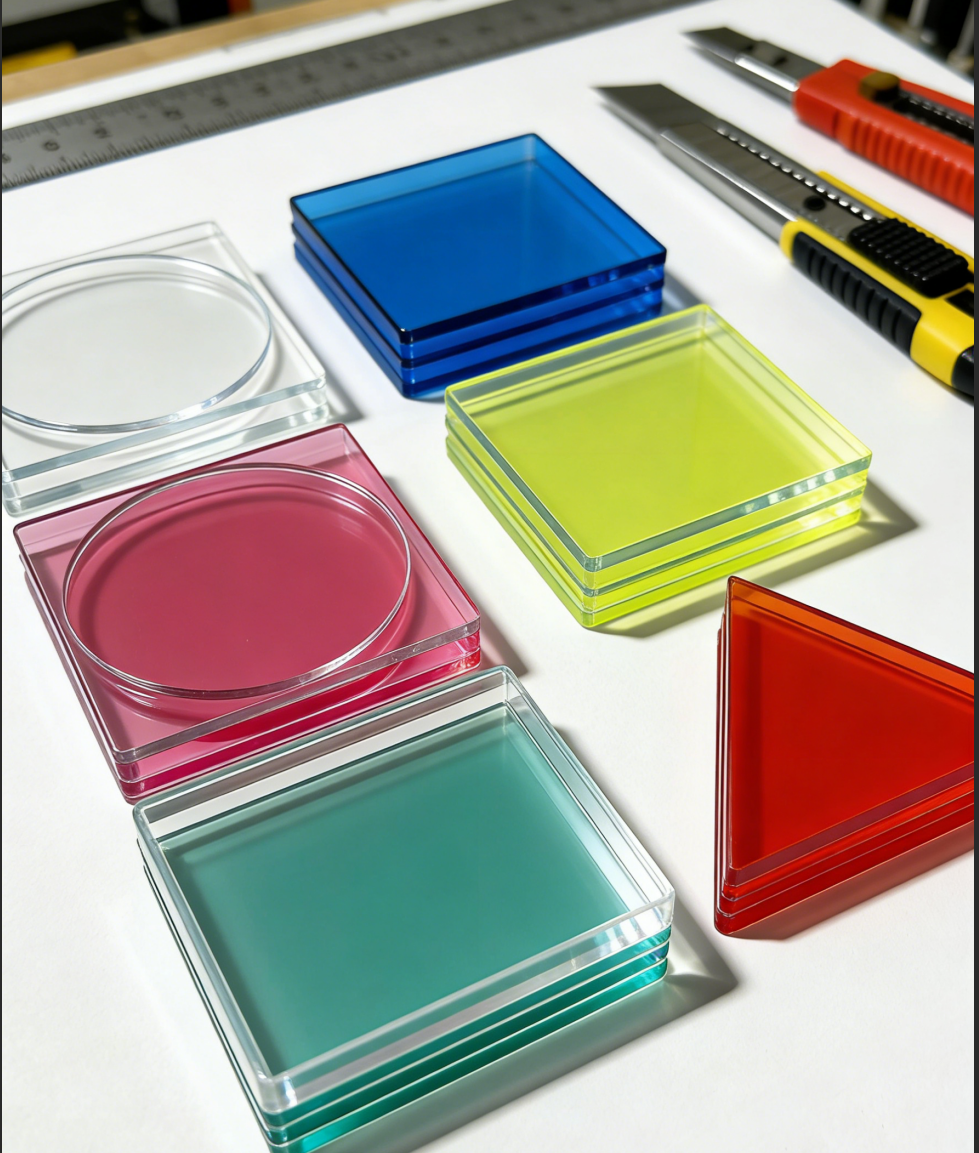
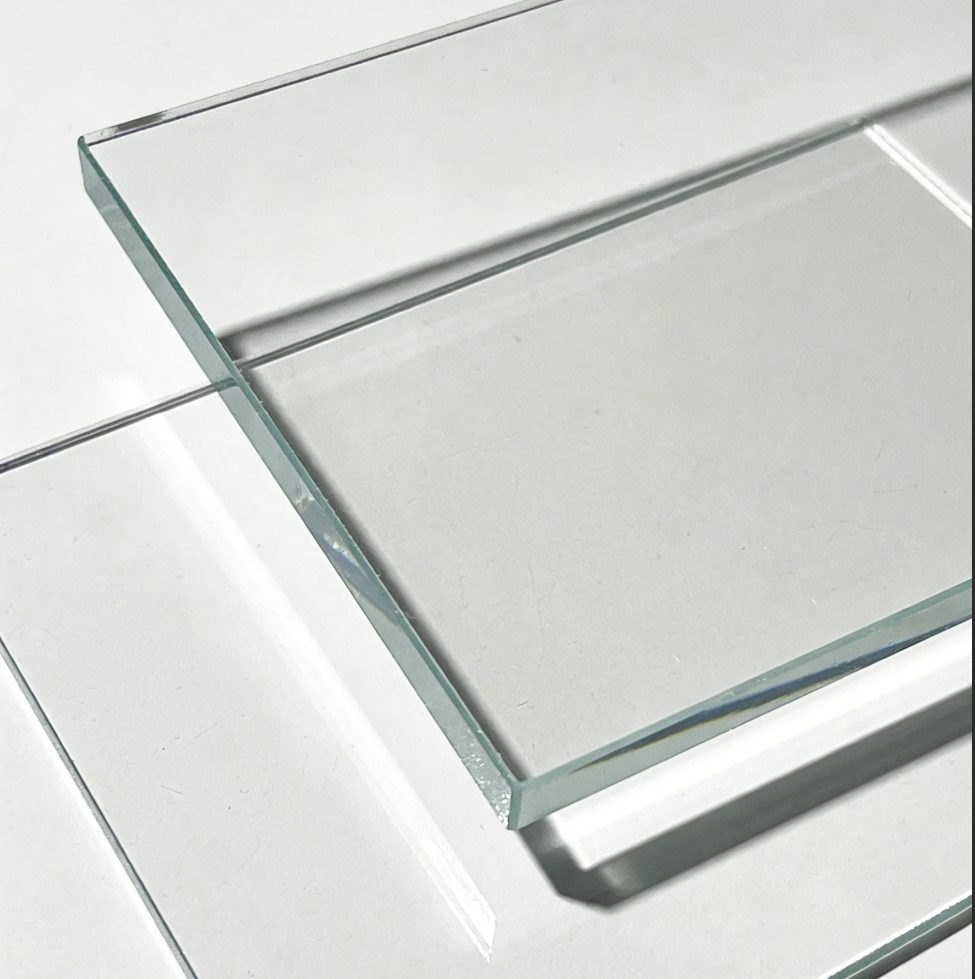
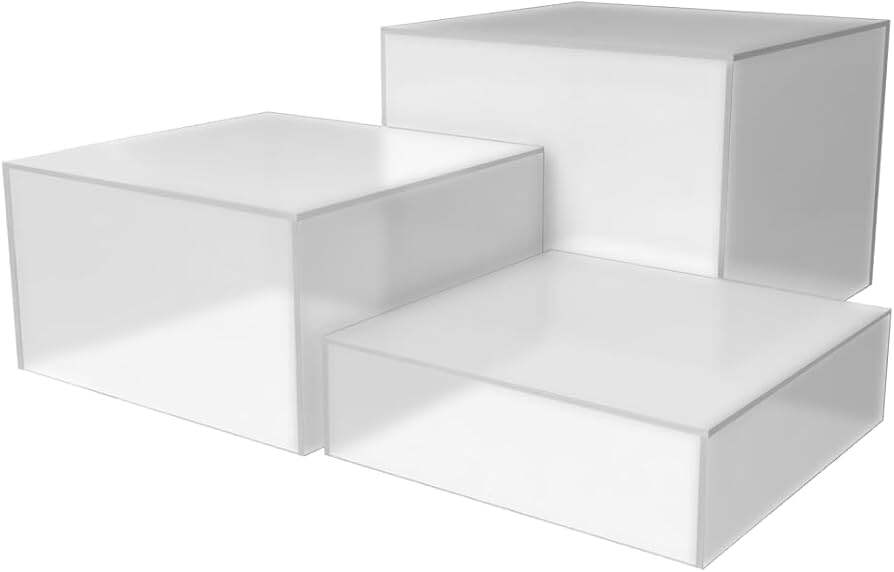
Acrylic block print represents a revolutionary advancement in modern printing technology, combining the durability of acrylic materials with precision block printing techniques. This innovative printing solution utilizes high-grade acrylic substrates to create stunning visual displays that maintain exceptional clarity and vibrancy over extended periods. The acrylic block print process involves specialized printing methods that bond inks directly to acrylic surfaces, resulting in prints that resist fading, moisture damage, and environmental wear. The technology behind acrylic block print employs advanced UV-curing systems and specialized acrylic-compatible inks that penetrate the material surface while maintaining structural integrity. These prints offer superior optical clarity compared to traditional printing methods, making them ideal for applications requiring high visual impact. The manufacturing process ensures consistent color reproduction and sharp detail retention across various sizes and formats. Acrylic block print applications span numerous industries, including retail signage, architectural displays, art installations, and commercial advertising. Museums and galleries frequently choose acrylic block print for exhibition materials due to its professional appearance and longevity. The technology supports both small-format applications and large-scale installations, making it versatile for diverse project requirements. Corporate environments benefit from acrylic block print for lobby displays, directional signage, and branded materials that require professional presentation. The material properties of acrylic block print include excellent light transmission, impact resistance, and dimensional stability under temperature variations. These characteristics make acrylic block print suitable for both indoor and outdoor applications where traditional printing methods might fail. The surface finish options range from glossy to matte, allowing designers flexibility in achieving desired aesthetic outcomes while maintaining functional performance standards.
 EN
EN