 EN
EN

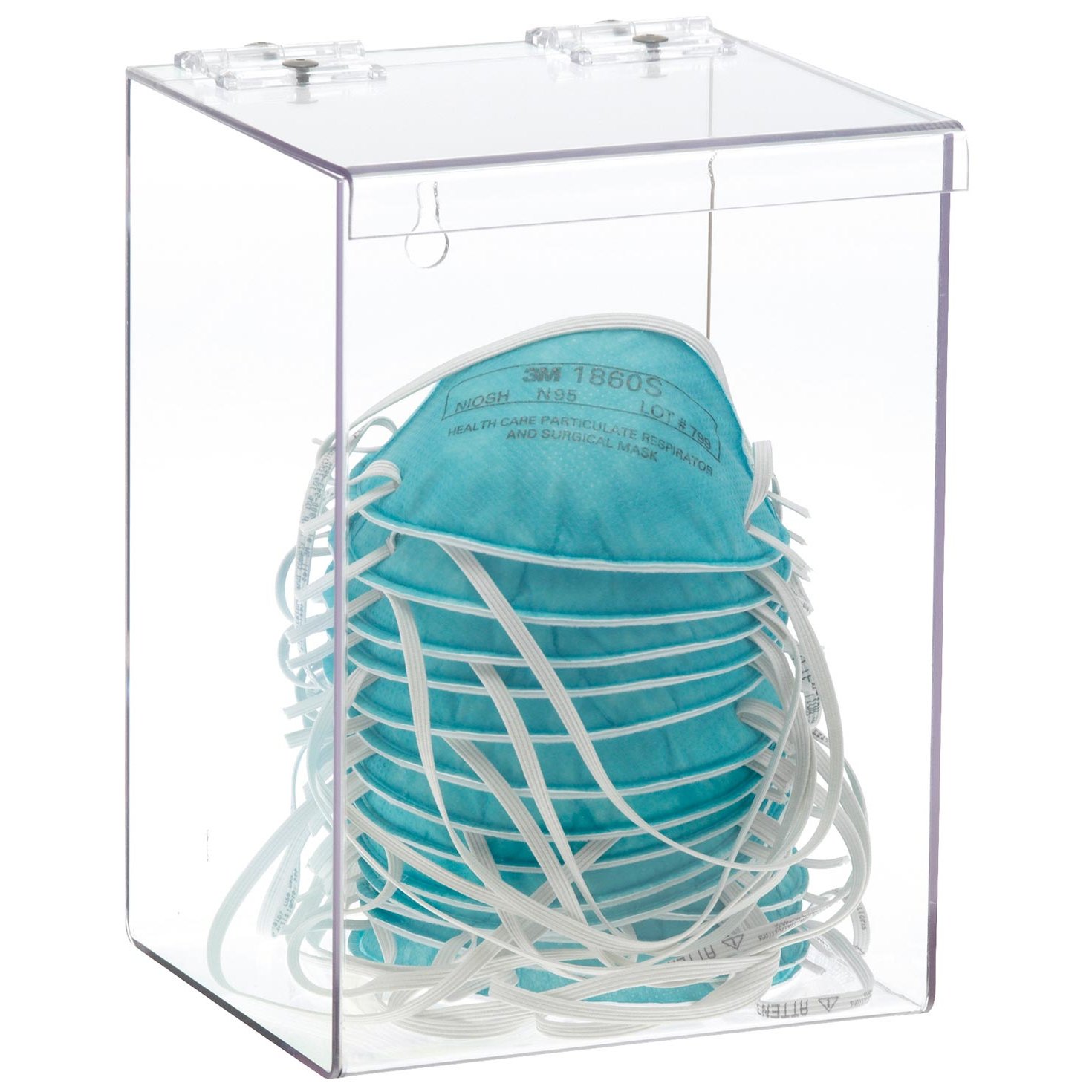
Across industries where hygiene, organization, and customer experience intersect, acrylic dispensers have emerged as a quietly essential piece of infrastructure. Whether lining the checkout counters of a boutique retailer, mounted on the walls of a busy medical examination room, or stationed near food prep stations in a commercial kitchen, these transparent holders serve a purpose that goes far beyond simple storage. Their clarity, durability, and professional appearance make acrylic dispensers a preferred solution in environments where visibility of contents, ease of access, and consistent sanitation standards all matter equally.
This article explores how acrylic dispensers are specifically applied across three distinct and demanding environments: retail spaces, medical facilities, and food service settings. Each of these industries has unique operational requirements, and understanding how acrylic dispensers fulfill those requirements offers practical guidance for facility managers, store designers, healthcare administrators, and food service operators looking to improve their setups without compromising on aesthetics or function.
The Role of Acrylic Dispensers in Retail Environments
Visual Merchandising and Point-of-Sale Organization
In retail environments, first impressions drive purchase decisions. Acrylic dispensers contribute to an organized, polished visual environment at points of sale, checkout counters, and product display areas. Their crystal-clear construction allows customers to see exactly what is being offered without needing to touch or rummage through items, which is critical for maintaining a curated shopping experience.
Retail applications for acrylic dispensers include everything from holding individually wrapped promotional items to organizing loyalty cards, hair accessories, or disposable product samples. Because acrylic is naturally light-reflective, it subtly enhances the visibility of the items contained within, giving products a more premium presentation even in high-traffic, utilitarian settings like big-box stores or pharmacies.
When wall-mounted acrylic dispensers are placed near self-checkout areas or service desks, they streamline customer interactions by reducing the time staff need to locate and distribute commonly requested items. The wall-mount format is particularly valuable in compact retail spaces where counter space is limited but the need for organized dispensing remains high.
Glove and Sanitation Supply Dispensing in Retail
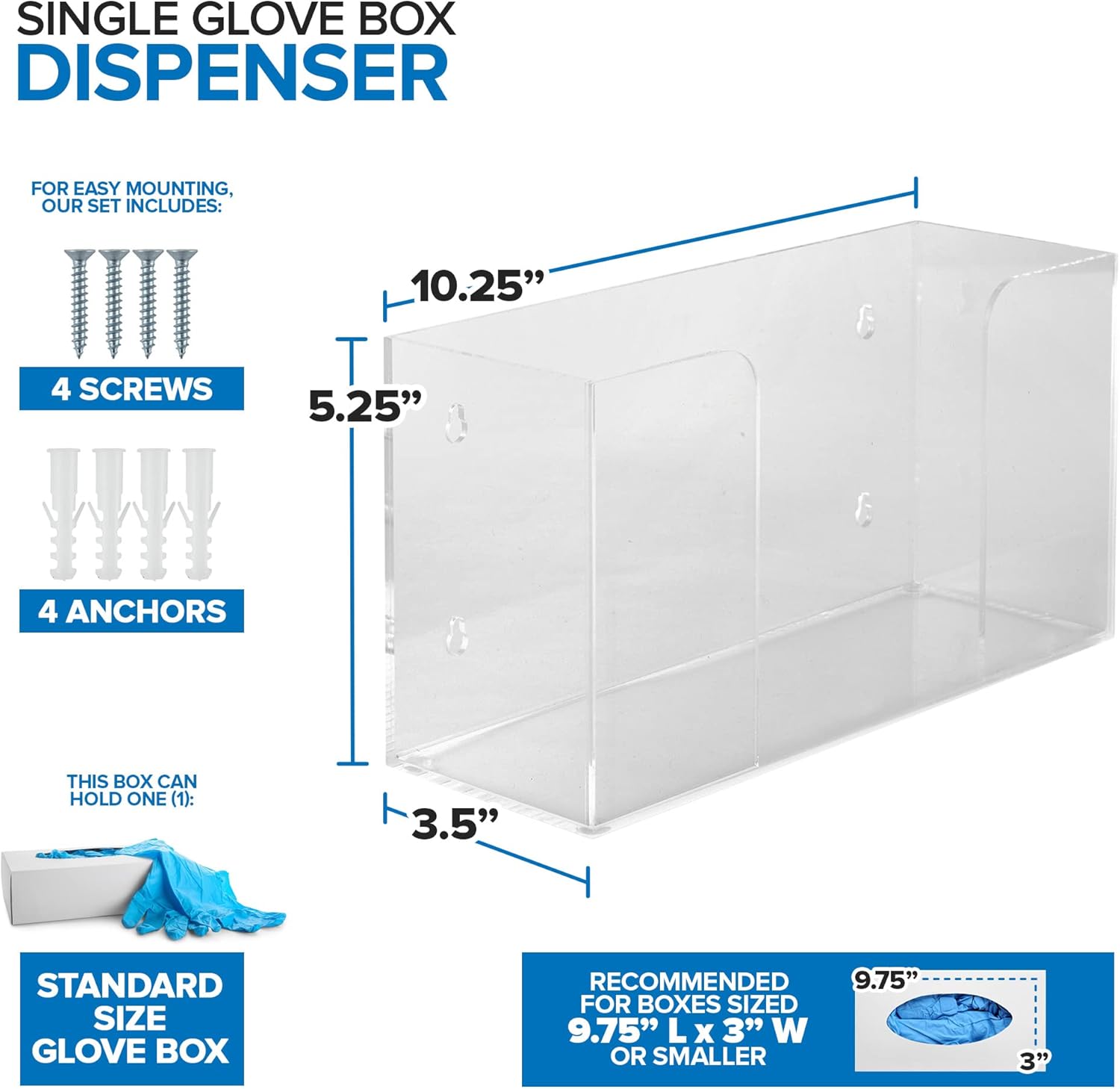
Post-pandemic retail operations have significantly increased the use of disposable gloves and hygiene products on the shop floor. Acrylic dispensers designed for glove boxes or sanitation supplies are now common in pharmacies, beauty supply stores, and grocery chains. These dispensers allow staff to quickly access protective gear without breaking workflow or contaminating product inventory.
The transparency of acrylic dispensers means that stock levels are immediately visible, reducing the risk of running out of supplies during busy shifts. Many retail managers now incorporate wall-mounted acrylic dispensers into staff stations and customer service areas to standardize hygiene practices without requiring elaborate storage setups. A product like a acrylic dispensers capable of holding multiple glove boxes simultaneously is particularly well-suited to retail environments where different glove sizes are needed for different staff roles.
From a store design perspective, acrylic dispensers integrate seamlessly into modern retail interiors because they do not introduce visual clutter. Their neutral, transparent profile allows them to work alongside any color scheme or brand identity, making them a versatile infrastructure component that store designers can recommend without aesthetic trade-offs.
Acrylic Dispensers in Medical and Healthcare Settings
Supporting Infection Control Protocols
In medical facilities, the dispensing of personal protective equipment is not a convenience feature—it is a clinical necessity. Acrylic dispensers for gloves, masks, and other disposable PPE are installed in examination rooms, nursing stations, surgical prep areas, and patient corridors because they enable rapid, hands-free or minimal-contact access to critical supplies. This directly supports infection control protocols by ensuring that staff can glove up quickly and that supplies are never left loose or potentially contaminated.
The non-porous surface of acrylic dispensers is an important medical consideration. Unlike fabric-covered organizers or wooden storage units, acrylic can be wiped down with clinical disinfectants without degrading or absorbing pathogens. This makes acrylic dispensers compliant with the surface sanitation requirements of most healthcare environments, including those governed by strict infection prevention standards.
Wall-mounted acrylic dispensers are especially favored in medical settings because they keep supplies off countertops, reducing cross-contamination risk. In a busy clinic or hospital ward, counter space is perpetually limited. Mounting dispensers at eye level on walls near sinks or entry points ensures that staff can access and don protective gear as part of their standard workflow without interruption.
Organization and Visibility in Clinical Workflows
Medical professionals depend on being able to immediately identify and retrieve supplies. Acrylic dispensers support this by offering full visibility of their contents at a glance. A nurse walking into an examination room can instantly confirm that gloves are available in the correct size, and a supervisor doing rounds can quickly assess whether supply restocking is needed across multiple rooms without opening drawers or checking clipboards.
In dental offices, dermatology clinics, and outpatient surgical centers, acrylic dispensers are used to hold everything from single-use examination gloves to cotton rolls, gauze packets, and tongue depressors. The uniform, modular design of acrylic dispensers allows facilities to standardize their supply setup across different rooms, which reduces training time for new staff and makes compliance audits more straightforward.
Multi-box acrylic dispensers that hold several glove boxes simultaneously are particularly useful in healthcare settings where different glove sizes must be stocked at every station. Having small, medium, and large gloves accessible from a single dispenser unit eliminates the confusion of managing separate boxes and ensures that no size runs out before others are noticed. This kind of systemic efficiency has measurable impact in high-volume clinical environments.
Acrylic Dispensers in Food Service and Food Safety Applications
Hygiene and Compliance in Food Preparation Areas
In commercial kitchens, catering operations, and food service environments, the use of disposable gloves is often mandated by health codes. Acrylic dispensers provide a compliant, hygienic, and practical method for making gloves available at every food prep station without creating clutter or contamination risks. Because they are wall-mountable and constructed from a non-absorbent material, acrylic dispensers fit naturally into the sanitization routines of any professional kitchen.
Food safety inspectors look for evidence that hygiene supplies are stored properly—off the floor, away from direct food contact surfaces, and in a manner that prevents contamination. Acrylic dispensers satisfy all of these requirements when correctly installed. Their transparent design also makes it easy for kitchen supervisors to conduct rapid visual checks on supply levels during service, which is critical in high-volume operations where running out of gloves during a dinner rush can create both safety and compliance problems.
The durability of acrylic dispensers is especially relevant in food service environments, where humidity, temperature fluctuations, and frequent cleaning are part of daily operations. High-quality acrylic is resistant to the moisture and chemical cleaners commonly used in professional kitchens, ensuring that the dispensers maintain their structural integrity and visual clarity over extended periods of heavy use.
Front-of-House and Self-Service Food Applications
Beyond the kitchen, acrylic dispensers are also used in front-of-house food service contexts. Salad bars, buffet stations, and self-service food counters in cafeterias, delis, and quick-service restaurants increasingly feature acrylic dispenser setups for napkins, condiment packets, straws, and disposable utensils. The transparent nature of acrylic allows customers to self-serve efficiently while giving staff an immediate view of when restocking is needed.
From a customer experience perspective, acrylic dispensers in front-of-house settings project a sense of cleanliness and professionalism that contributes to the overall dining environment. Compared to opaque plastic holders or cardboard boxes, acrylic dispensers signal attention to presentation, which aligns with the brand positioning of upscale cafes, hotel dining areas, and premium fast-casual concepts.
Food service operators who invest in well-designed acrylic dispensers for their service areas often find that it reduces staff time spent on supply management because the visual transparency prompts earlier restocking. This is a small but meaningful efficiency gain in environments where labor is expensive and service speed is paramount. The combination of practical function and visual appeal makes acrylic dispensers a cost-effective fixture investment across a wide range of food service contexts.
Key Factors That Make Acrylic Dispensers Effective Across All Three Settings
Material Advantages of Acrylic for Dispensing Applications
Acrylic dispensers outperform alternatives made from metal, wood, or opaque plastic in several important ways. The transparency of acrylic allows for at-a-glance inventory monitoring, which is a consistent operational need across retail, medical, and food service environments. The material is also significantly lighter than glass or steel, making acrylic dispensers easier to mount, reposition, and handle during restocking without requiring specialized equipment.
Acrylic's inherent resistance to shattering makes acrylic dispensers safer than glass alternatives in environments where accidental impacts are possible—such as busy commercial kitchens or medical facility corridors. While acrylic can scratch under harsh abrasive contact, it maintains its clarity and structural function far longer than lower-cost polystyrene or ABS plastic options in demanding commercial environments.
The aesthetic neutrality of acrylic dispensers is another underappreciated advantage. Because the material is clear and sleek, it does not compete visually with product displays, clinical signage, or food presentation. It provides function without imposing a visual identity of its own, which means facility designers and managers can integrate acrylic dispensers into existing decor schemes without redesigning the surrounding environment.
Installation Flexibility and Space Efficiency
The wall-mount capability of modern acrylic dispensers is a central reason for their widespread adoption across diverse settings. In retail environments, wall-mounted acrylic dispensers free up shelf and counter space for revenue-generating products. In medical facilities, they remove supplies from potentially contaminated work surfaces. In food service settings, they position hygiene supplies exactly where they are needed without occupying prep space.
Multi-capacity acrylic dispensers that hold multiple boxes simultaneously maximize this space efficiency. Rather than installing multiple individual holders, a single large dispenser unit can consolidate supply storage across several size variants or product types. This reduces the number of wall mounting points required and simplifies the restocking process, both of which are valued in environments where wall real estate and staff time are constrained.
The modular nature of many acrylic dispensers also supports scalable deployment. A facility can start with one unit in a single location and progressively expand its acrylic dispenser setup as operational needs grow or as new stations are added. This scalability makes the initial investment in acrylic dispensers low-risk and easy to justify within standard facility management budgets.
FAQ
What types of supplies can acrylic dispensers hold beyond gloves?
Acrylic dispensers are versatile enough to hold a wide range of supplies depending on their design. Beyond disposable gloves, they are commonly used for holding masks, hair nets, napkins, condiment packets, cotton rolls, gauze, loyalty cards, product samples, and small packaged items. The specific form factor of the dispenser determines what it can hold, and many manufacturers offer designs tailored to specific industries or supply types.
How do you clean and maintain acrylic dispensers in hygienic environments?
Cleaning acrylic dispensers is straightforward. The surface should be wiped down regularly using a soft, lint-free cloth dampened with a mild detergent or an isopropyl alcohol solution. Avoid abrasive scrubbing pads or harsh chemical solvents such as acetone, as these can cloud or crack the acrylic surface. In medical and food service settings, regular sanitizing wipe-downs with approved disinfectants are typically sufficient to maintain compliance.
Are wall-mounted acrylic dispensers suitable for temporary setups or only permanent installations?
Acrylic dispensers are available in both permanent wall-mount and freestanding configurations, giving facilities flexibility depending on their needs. Some models use screw-mount hardware for permanent installation, while others use adhesive strips or bracket systems that allow repositioning without wall damage. For trade show environments, pop-up retail, or temporary food service events, freestanding acrylic dispensers offer the same organizational and hygiene benefits without the need for drilling or permanent fixtures.
How do you determine the right size of acrylic dispenser for a given application?
Choosing the right size of acrylic dispensers depends on three main factors: the volume of supplies consumed per shift or per day, the number of box sizes or variants that need to be stocked at each location, and the available wall or counter space. For high-volume settings like busy medical clinics or commercial kitchens, multi-box acrylic dispensers that hold three or more glove box sizes are typically more efficient. For lower-traffic locations such as individual retail fitting rooms or small dental operatories, single-box or compact acrylic dispensers may be fully adequate.
Table of Contents
- The Role of Acrylic Dispensers in Retail Environments
- Acrylic Dispensers in Medical and Healthcare Settings
- Acrylic Dispensers in Food Service and Food Safety Applications
- Key Factors That Make Acrylic Dispensers Effective Across All Three Settings
-
FAQ
- What types of supplies can acrylic dispensers hold beyond gloves?
- How do you clean and maintain acrylic dispensers in hygienic environments?
- Are wall-mounted acrylic dispensers suitable for temporary setups or only permanent installations?
- How do you determine the right size of acrylic dispenser for a given application?