 EN
EN
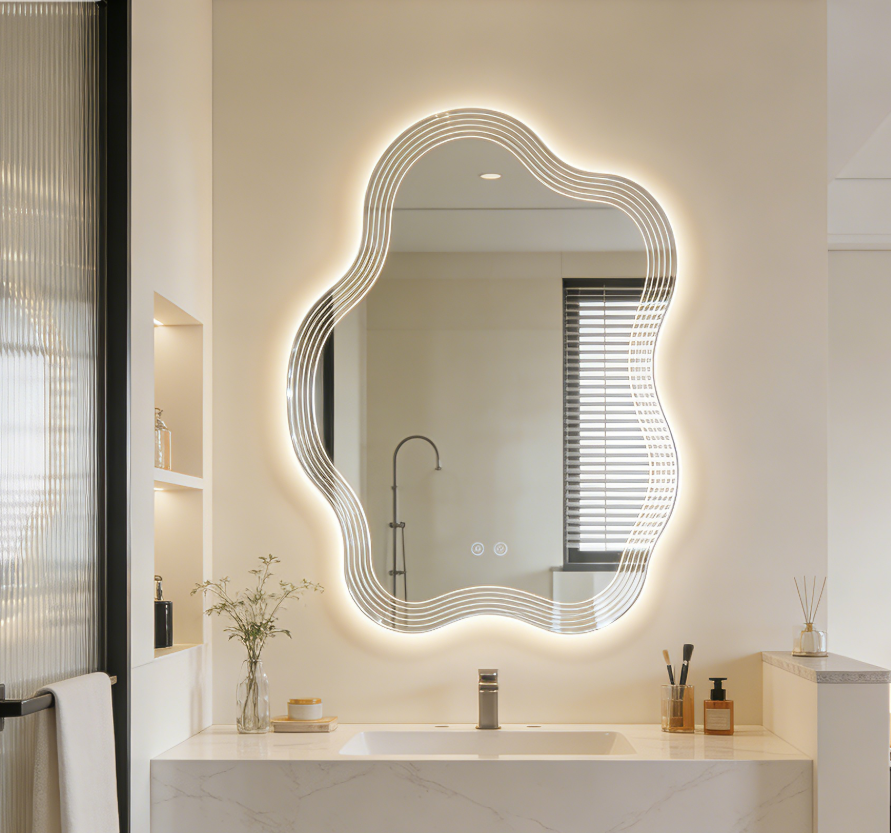
When selecting reflective surfaces for commercial displays, interior design projects, or industrial applications, the choice between acrylic mirrors and traditional glass mirrors carries more weight than most buyers initially expect. acrylic mirrors have steadily gained ground across a wide range of B2B sectors, and for good reason. Understanding the specific advantages they offer over conventional glass helps procurement managers, designers, and facility operators make smarter, more cost-effective decisions.
The advantages of acrylic mirrors are not simply a matter of material preference. They reflect a fundamental shift in how modern industries think about safety, weight, fabrication flexibility, and long-term value. This article examines each of those advantages in depth, giving you the practical context needed to evaluate whether acrylic mirrors are the right fit for your specific application.
Safety and Impact Resistance
Why Shatter Resistance Matters in Commercial Settings
One of the most compelling advantages of acrylic mirrors over traditional glass mirrors is their resistance to shattering. Glass, by its nature, fractures into sharp, dangerous shards when subjected to impact. In environments where people move frequently — retail stores, gyms, schools, healthcare facilities, and public restrooms — this poses a genuine safety liability. Acrylic mirrors, by contrast, are manufactured from polymethyl methacrylate (PMMA), a thermoplastic that absorbs impact without breaking into hazardous fragments.
When acrylic mirrors do crack under extreme force, they tend to break into larger, duller pieces rather than the fine, razor-sharp splinters associated with glass. This characteristic alone makes acrylic mirrors the preferred choice in child-facing environments, high-traffic public spaces, and any setting where liability management is a priority. Facility managers and safety officers consistently cite this property as a primary driver in their material selection process.
Beyond direct impact, acrylic mirrors also perform better in environments subject to vibration, such as transportation interiors, mobile display units, and industrial machinery housings. Glass mirrors in these contexts are prone to micro-fractures over time, while acrylic mirrors maintain their structural integrity under repeated mechanical stress.
Compliance and Risk Reduction
In regulated industries, the safety profile of acrylic mirrors translates directly into compliance advantages. Building codes in many jurisdictions now specify or recommend shatter-resistant materials for mirrors installed at certain heights or in specific occupancy types. Acrylic mirrors frequently satisfy these requirements without the need for additional lamination or safety film, which glass mirrors often require to meet the same standards.
For procurement teams working within strict health and safety frameworks, specifying acrylic mirrors from the outset reduces the risk of costly retrofits or compliance failures during inspections. This proactive approach to risk reduction is a tangible business advantage that extends well beyond the initial purchase decision.
Weight and Installation Efficiency
The Practical Impact of Lighter Material
Acrylic mirrors weigh significantly less than their glass counterparts — typically around half the weight for equivalent dimensions. This difference has cascading practical effects throughout the procurement, logistics, and installation process. Shipping costs are lower, handling is easier, and the risk of breakage during transit is substantially reduced. For large-format mirror installations, the weight advantage of acrylic mirrors becomes even more pronounced.
On the installation side, lighter acrylic mirrors place less structural demand on walls and mounting systems. This is particularly relevant in retrofit projects where existing wall structures may not be engineered to support heavy glass panels. Acrylic mirrors can often be installed with simpler hardware and by smaller installation crews, reducing both labor costs and project timelines.
In display and retail contexts, the lightweight nature of acrylic mirrors enables more flexible fixture design. Freestanding display units, portable trade show installations, and modular retail environments all benefit from the reduced load that acrylic mirrors introduce into the overall system design.
Handling and Logistics Advantages
The logistics chain for acrylic mirrors is meaningfully simpler than for glass. Glass mirrors require specialized packaging, careful handling protocols, and often dedicated freight arrangements to prevent breakage. Acrylic mirrors can be shipped in standard packaging configurations with far lower breakage rates, which reduces both direct costs and the administrative burden of managing damaged goods claims.
For businesses that order mirrors in volume — such as hotel chains, gym operators, or retail franchises — the cumulative savings in logistics and handling across multiple shipments can be substantial. Acrylic mirrors offer a supply chain efficiency that glass simply cannot match at scale.
Fabrication Flexibility and Customization
Cutting, Shaping, and Forming Capabilities
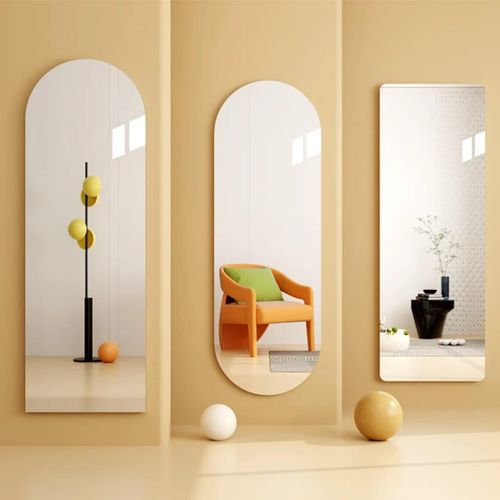
Acrylic mirrors offer fabrication possibilities that are either impossible or prohibitively expensive with glass. Because acrylic is a thermoplastic, it can be cut with standard woodworking and plastic-cutting tools, routed into complex profiles, and thermoformed into curved or three-dimensional shapes. This opens up a wide range of design applications that glass mirrors simply cannot accommodate without specialized and costly processing.
Designers working on custom interior installations, branded retail environments, or architectural feature walls find that acrylic mirrors give them far greater creative latitude. Curved mirror panels, custom-cut geometric shapes, and integrated mirror elements within larger fabricated structures are all achievable with acrylic mirrors at a fraction of the cost and lead time associated with equivalent glass work.
For manufacturers and fabricators, the ability to process acrylic mirrors in-house using standard equipment reduces dependency on specialized glass processors and shortens production cycles. This is a meaningful competitive advantage in markets where speed to delivery is a differentiating factor.
Surface Finishing and Aesthetic Options
Acrylic mirrors are available in a broader range of surface finishes and tint options than traditional glass mirrors. Beyond standard silver mirror finishes, acrylic mirrors can be produced in gold, bronze, smoke, and colored mirror variants that allow designers to achieve specific aesthetic effects without custom glass tinting processes. This variety supports more cohesive branded environments and gives interior designers greater flexibility in material specification.
The surface of acrylic mirrors can also be printed, engraved, or laser-cut to incorporate branding, decorative patterns, or functional markings. These capabilities make acrylic mirrors a versatile substrate for point-of-sale displays, branded signage, and decorative architectural elements where glass would require additional processing steps and higher costs.
Durability in Challenging Environments
Moisture and Chemical Resistance
Traditional glass mirrors are vulnerable to edge deterioration and silvering degradation when exposed to moisture over time. The phenomenon known as mirror rot — where the reflective backing begins to break down at the edges — is a common problem in bathrooms, pool areas, and other high-humidity environments. Acrylic mirrors, with their sealed construction and moisture-resistant properties, are far less susceptible to this type of degradation.
In commercial and industrial settings where mirrors are exposed to cleaning chemicals, disinfectants, or process-related vapors, acrylic mirrors offer better resistance to chemical attack on the reflective surface. This translates into longer service life and lower replacement frequency, both of which contribute to a more favorable total cost of ownership compared to glass mirrors in these environments.
Food service facilities, healthcare environments, and industrial clean rooms all benefit from the moisture and chemical resistance that acrylic mirrors provide. Specifying acrylic mirrors in these contexts is not simply a cost decision — it is a durability and maintenance decision that pays dividends over the operational life of the installation.
UV Stability and Long-Term Performance
Modern acrylic mirrors are manufactured with UV-stabilizing additives that protect both the substrate and the reflective backing from ultraviolet degradation. In applications where mirrors are installed near windows or in outdoor-adjacent environments, this UV resistance helps maintain reflective clarity and surface appearance over time. Glass mirrors, while inherently UV-stable in terms of the glass itself, can experience backing degradation when UV exposure combines with moisture infiltration.
For long-term installations in retail, hospitality, or commercial real estate, the UV stability of acrylic mirrors supports consistent aesthetic performance without the periodic replacement cycles that glass mirrors may require in sun-exposed locations. This durability factor is increasingly recognized by facilities managers as a key criterion in material selection for high-visibility interior spaces.
Cost Efficiency Across the Project Lifecycle
Initial Cost and Value Comparison
On a per-unit basis, acrylic mirrors are generally competitively priced relative to glass mirrors of equivalent size, and in many cases offer a lower initial cost, particularly for large-format panels. When the reduced logistics costs, lower installation labor requirements, and simplified fabrication processes are factored in, the total project cost for acrylic mirrors is frequently lower than for glass alternatives.
For businesses managing multiple locations or large-scale rollouts, the cost efficiency of acrylic mirrors compounds across the project portfolio. Standardizing on acrylic mirrors across a retail chain, hotel group, or fitness franchise can generate meaningful savings at scale while also simplifying the supply chain and reducing the number of specialist contractors required for installation and maintenance.
Maintenance and Replacement Economics
The lower breakage rate of acrylic mirrors during shipping and handling reduces the frequency of replacement orders driven by transit damage. In operational settings, the impact resistance of acrylic mirrors means fewer accidental breakages and lower emergency replacement costs. Over a multi-year operational period, these factors contribute to a total cost of ownership that consistently favors acrylic mirrors over glass in most commercial applications.
Maintenance of acrylic mirrors requires attention to appropriate cleaning products — abrasive cleaners should be avoided to prevent surface scratching — but routine care is straightforward and does not require specialized equipment or expertise. The overall maintenance burden of acrylic mirrors is well within the capabilities of standard facilities management teams, making them a practical choice for organizations without dedicated specialist maintenance resources.
FAQ
Are acrylic mirrors as reflective as glass mirrors?
High-quality acrylic mirrors offer reflectivity that is very close to that of standard glass mirrors, typically achieving 90% or higher reflectance. For most commercial and decorative applications, the visual difference is negligible. In applications requiring optical-grade precision, such as scientific instruments, glass may still be preferred, but for the vast majority of interior design, retail, and industrial uses, acrylic mirrors perform comparably to glass.
Can acrylic mirrors be used outdoors?
Acrylic mirrors with UV-stabilized formulations can be used in semi-outdoor or sheltered outdoor environments. However, prolonged direct exposure to extreme weather conditions — particularly sustained high temperatures combined with UV radiation — can affect the reflective backing over time. For fully exposed outdoor installations, additional protective measures or purpose-formulated outdoor acrylic mirror products should be specified. Consulting with your supplier about the specific environmental conditions of your application is always advisable.
How do you clean acrylic mirrors without scratching them?
Acrylic mirrors should be cleaned with a soft, lint-free cloth and a mild soap solution or a cleaner specifically formulated for acrylic surfaces. Abrasive cloths, paper towels, and solvent-based cleaners should be avoided, as these can cause surface scratching or chemical damage to the acrylic substrate. Minor surface scratches can often be buffed out with a plastic polish, which is an advantage acrylic mirrors have over glass, where scratches are permanent.
What thickness of acrylic mirror is appropriate for wall-mounted applications?
For standard wall-mounted decorative or functional mirror applications, acrylic mirrors in the 3mm to 5mm thickness range are typically sufficient. Larger panels or installations subject to higher mechanical stress may benefit from 6mm or thicker material to ensure adequate rigidity and resistance to flexing. Your fabricator or supplier can advise on the appropriate thickness based on the specific dimensions, mounting method, and use environment of your installation.