 EN
EN

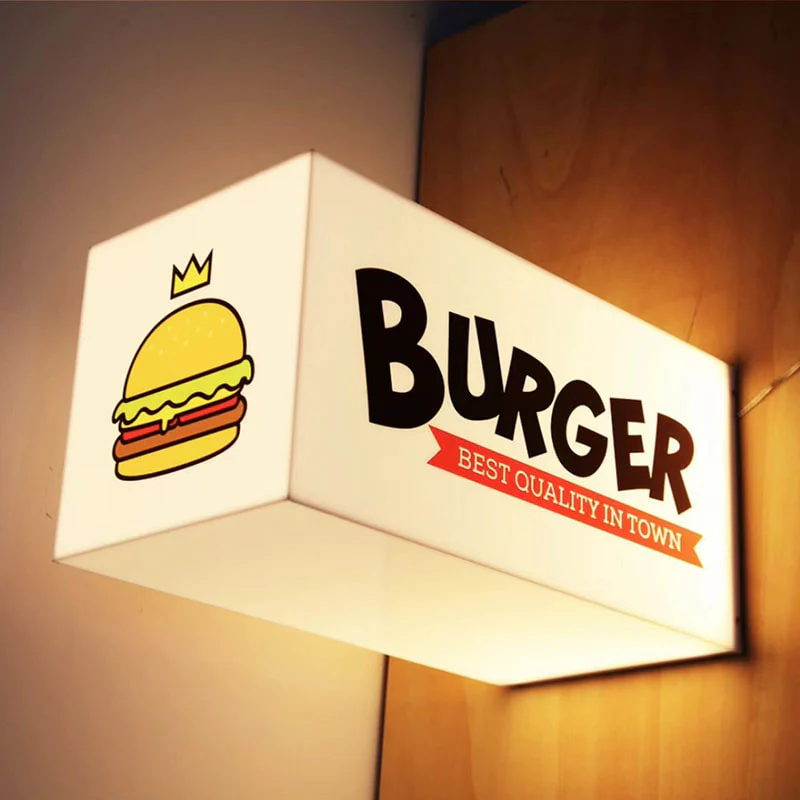
In competitive retail and commercial environments, the ability to capture attention within seconds can determine whether a brand message lands or gets ignored. The acrylic light box has emerged as one of the most effective tools for elevating visual advertising impact in both indoor and outdoor settings. By combining the optical clarity of acrylic panels with integrated illumination, this display solution transforms ordinary promotional content into eye-catching, luminous signage that draws viewers in and communicates brand messages with lasting clarity.
Understanding how an acrylic light box works and why it outperforms traditional display methods is essential for any business investing in point-of-sale materials, retail signage, or branded promotional installations. This article explores the core mechanisms behind its visual impact, the structural advantages of acrylic as a material choice, and the strategic scenarios where this format delivers the greatest return in advertising effectiveness.
The Optical Properties That Make Acrylic Ideal for Light Boxes
Clarity and Light Transmission
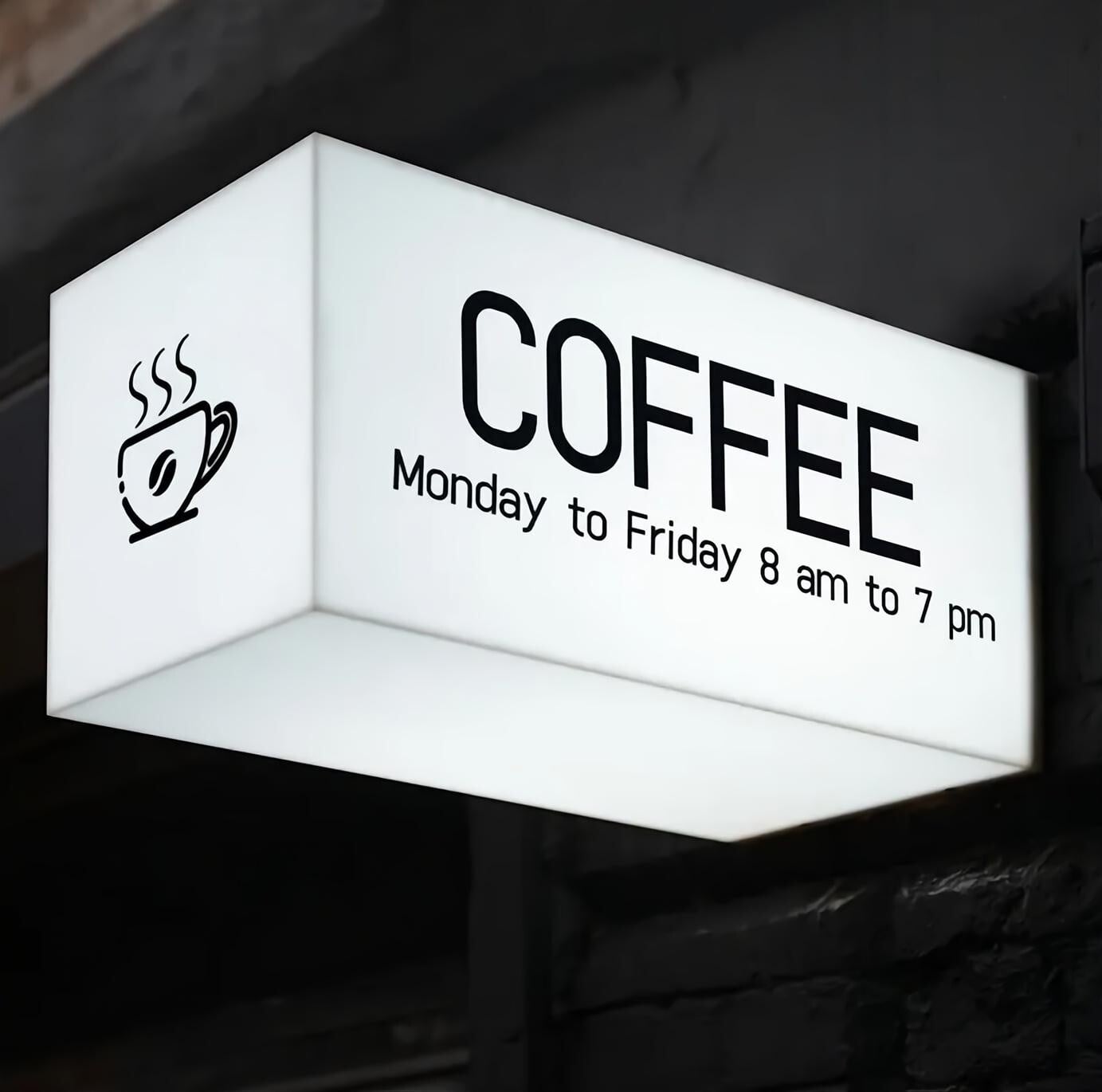
One of the primary reasons the acrylic light box performs so well in advertising contexts is the exceptional light transmission quality of acrylic material. High-quality acrylic sheets can transmit over 90% of visible light, which is comparable to optical glass but at a fraction of the weight. This means that when internal LED lighting is used within an acrylic light box, the illumination spreads evenly and cleanly across the display surface without hot spots, shadows, or color distortion.
This even light distribution ensures that printed graphics appear vibrant and true to color, even in dimly lit retail environments. When a customer walks past a display, the luminous quality of an acrylic light box creates an immediate visual contrast against non-illuminated surroundings. That contrast is psychologically compelling and naturally draws the human eye, increasing the probability that the advertisement will be consciously noticed and processed.
Unlike polycarbonate or standard plastic alternatives, acrylic maintains optical neutrality over time without significant yellowing or hazing when properly treated. This longevity in visual quality makes the acrylic light box a dependable investment for long-term advertising installations.
Surface Finish and Visual Depth
Acrylic panels used in light boxes are available in both clear and frosted surface finishes, each creating a distinct visual effect. Frosted acrylic diffuses light more broadly, softening the glow and creating a premium, sophisticated aesthetic often associated with high-end retail environments. Clear acrylic, on the other hand, produces a more direct and vivid brightness that intensifies graphic colors and lettering.
This versatility allows designers and marketers to tailor the visual language of an acrylic light box to match specific brand identities. A luxury cosmetics brand might opt for frosted acrylic to convey elegance, while a fast-food outlet may prefer the bold luminosity of clear acrylic to maximize attention in a high-footfall corridor. The surface finish is a silent but powerful design variable that influences how advertising content is emotionally perceived.
How Illumination Amplifies Advertising Message Retention
The Psychology of Light in Commercial Environments
Light is one of the most powerful triggers in human perception. Research in retail psychology consistently shows that illuminated displays attract significantly more visual attention than their non-illuminated counterparts. The acrylic light box exploits this neurological tendency by wrapping advertising content in a glowing frame that signals importance and immediacy to the viewer's brain.
When a message is presented within an acrylic light box, it benefits from the halo effect of the surrounding illumination, which causes the graphic content to appear more authoritative, premium, and trustworthy. This is particularly valuable in environments such as shopping malls, airports, pharmacies, and trade show exhibitions where multiple competing messages are vying for the same limited attention span.
The consistent glow emitted by an acrylic light box also maintains advertising visibility across varying ambient light conditions, from brightly lit daytime interiors to darker evening environments. This reliability means the advertising message performs consistently regardless of the time of day or the surrounding lighting setup, which is a significant limitation of non-illuminated print-only displays.
Color Saturation and Brand Precision
Brand color accuracy is a critical concern in commercial advertising. When backlit through an acrylic light box, printed graphics achieve a level of color saturation and vibrancy that is simply not achievable with surface-lit or ambient-lit signage. The internal light source activates the pigments in the printed media from behind, causing colors to appear more saturated and dimensionally rich.
For businesses where brand color consistency is non-negotiable, such as franchise operations, automotive brands, or international retail chains, the acrylic light box provides a reliable standard for how brand visuals will appear in the field. This consistency across multiple locations reinforces brand recognition and builds a coherent visual identity in the consumer's mind over time.
Additionally, acrylic light box displays tend to maintain graphic fidelity better than open-face illuminated signs, because the acrylic panel acts as a protective layer that shields the printed media from dust, moisture, and UV exposure when treated with anti-UV coatings.
Structural Advantages of Acrylic in Display and Signage Formats
Lightweight Construction and Installation Flexibility
Compared to glass or metal-framed signage systems, an acrylic light box is significantly lighter while maintaining structural rigidity. This weight advantage simplifies installation across a variety of mounting configurations, including wall-mounted displays, suspended ceiling installations, counter-top units, and freestanding floor displays. The reduced structural load also lowers installation costs and minimizes the requirements for specialized mounting hardware.
In retail rollouts where dozens or hundreds of display units must be installed across multiple locations within short timelines, the lightweight and modular nature of the acrylic light box becomes a logistical asset. Installation teams can handle larger formats without heavy lifting equipment, and transport costs are reduced compared to glass-based alternatives.
The structural adaptability of acrylic also means that an acrylic light box can be cut, shaped, and formatted to custom dimensions without the fragility concerns associated with glass. This enables brands to commission non-standard display geometries that reinforce creative design concepts while maintaining the functional integrity of the illuminated panel.
Durability and Long-Term Advertising Value
Acrylic material is highly resistant to impact compared to glass, making an acrylic light box a practical choice for high-traffic public environments where accidental contact is likely. This impact resistance reduces the risk of damage-related downtime, which is a real operational concern when a display installation is supporting an active promotional campaign.
When paired with high-efficiency LED internal lighting, an acrylic light box also offers substantial energy cost advantages over older fluorescent-based illuminated signage. LED systems consume far less power, generate less heat, and have longer operational lifespans, which collectively reduce the total cost of ownership for the display installation over its service life.
The combination of material durability, optical performance retention, and energy efficiency makes the acrylic light box a format that delivers sustained advertising value well beyond the initial installation period. For businesses looking to maximize return on their display investment, this long-term reliability is a decisive factor.
Strategic Applications Across Advertising and Retail Contexts
Point-of-Sale and Retail Display Environments
In retail settings, the acrylic light box is most commonly deployed at key decision points along the customer journey: at the entrance to a store, near product shelving, at checkout counters, or within display windows. In each of these placements, the illuminated display serves a distinct function ranging from generating awareness and excitement at the entry point to reinforcing purchase decisions at the shelf level.
Counter-top formats of the acrylic light box are especially effective for promoting seasonal items, limited editions, or accessory products positioned close to the purchase transaction zone. The proximity to the customer at the moment of payment, combined with the attention-attracting luminosity of the display, creates a favorable context for impulse consideration and add-on purchasing behavior.
Window display applications of the acrylic light box extend advertising reach beyond the store interior, broadcasting brand messages to pedestrian traffic outside during both daytime and nighttime hours. This 24-hour advertising exposure is a significant advantage over non-illuminated window signage, which loses visibility entirely after daylight hours.
Trade Show and Exhibition Advertising
Trade show and exhibition environments are among the most competitive advertising settings in B2B marketing. With dozens or hundreds of exhibitors competing for delegate attention in the same hall, the visual impact of an acrylic light box provides a meaningful differentiation advantage. An illuminated display tower, panel, or counter-front unit immediately signals professionalism and brand investment to passing visitors.
The modular nature of acrylic light box systems allows exhibition teams to configure scalable display setups that can be adapted to different booth sizes and layout configurations without requiring entirely new display assets for each event. This flexibility reduces the capital expenditure required to maintain a visually impactful trade show presence across multiple events throughout the year.
Furthermore, the acrylic light box format supports easy graphic changeout, which means the same structural display unit can be refreshed with updated promotional content between events, aligning the advertising message with current campaign priorities without necessitating the replacement of the entire display structure.
FAQ
What types of graphics are best suited for use inside an acrylic light box?
Backlit film or translucent printing media specifically designed for illuminated displays produce the best results inside an acrylic light box. These materials are formulated to allow light transmission while maintaining color saturation and detail resolution. Standard opaque printing substrates are not recommended as they block the internal light and eliminate the key visual advantage of the illuminated format.
Can an acrylic light box be used in outdoor advertising environments?
Yes, an acrylic light box can be configured for outdoor use when constructed with appropriate weatherproofing, sealed edges, and anti-UV acrylic panels that resist degradation from sun exposure. Outdoor-rated LED lighting modules with suitable IP ratings should be used to ensure reliable operation in variable weather conditions. When properly specified, an outdoor acrylic light box maintains its visual performance across extended exposure periods.
How does an acrylic light box compare to a fabric lightbox in terms of visual quality?
An acrylic light box typically delivers higher graphic sharpness and color contrast compared to fabric-based lightbox formats, which can introduce texture-related softening of printed details. Acrylic panels provide a rigid, smooth display surface that preserves fine graphic detail and produces a consistently flat, even illumination. Fabric formats may offer advantages in terms of packability and very large format installations, but for precise brand graphic reproduction, the acrylic light box generally delivers superior visual fidelity.
How frequently should the internal lighting in an acrylic light box be serviced or replaced?
Modern LED-based acrylic light box systems are designed for operational lifespans of 30,000 to 50,000 hours or more under normal usage conditions, which translates to many years of continuous operation before servicing is required. Routine maintenance should include periodic cleaning of the acrylic panel surface to remove dust accumulation that can affect light diffusion quality. If any dimming or color shift is observed in the LED output, inspection and replacement of the lighting module should be scheduled promptly to maintain advertising display standards.
Table of Contents
- The Optical Properties That Make Acrylic Ideal for Light Boxes
- How Illumination Amplifies Advertising Message Retention
- Structural Advantages of Acrylic in Display and Signage Formats
- Strategic Applications Across Advertising and Retail Contexts
-
FAQ
- What types of graphics are best suited for use inside an acrylic light box?
- Can an acrylic light box be used in outdoor advertising environments?
- How does an acrylic light box compare to a fabric lightbox in terms of visual quality?
- How frequently should the internal lighting in an acrylic light box be serviced or replaced?