 EN
EN
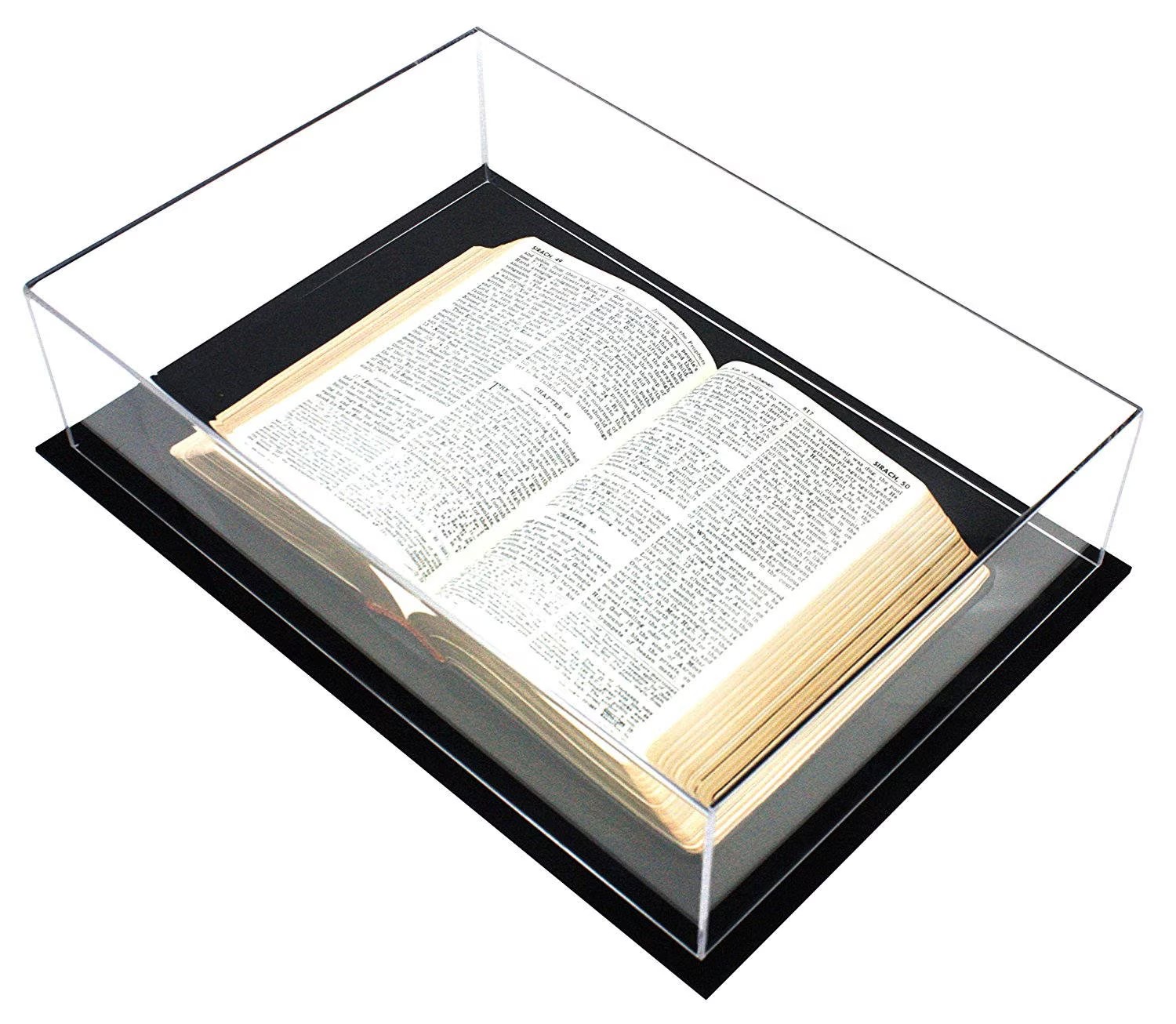
When designers and architects seek a material that combines optical clarity with structural elegance, lucite consistently emerges as a top-tier choice in premium display applications. This remarkable thermoplastic acrylic resin has shaped the aesthetic and functional standards of high-end display case design for decades, offering a level of transparency and workability that few materials can match. Understanding how lucite contributes to elevated display case design requires a closer look at both its intrinsic material properties and the design philosophy it enables.
The relationship between lucite and luxury display case design is not accidental. From museum showcases and retail jewelry cabinets to corporate trophy displays and architectural installations, lucite has become the material of choice for environments where visual impact, product visibility, and refined craftsmanship are non-negotiable. This article explores the specific mechanisms through which lucite elevates acrylic display case design beyond the ordinary and into the realm of the truly exceptional.
The Material Properties of Lucite That Define Premium Display Cases
Optical Clarity and Light Transmission
One of the most defining characteristics of lucite is its extraordinary optical clarity, which rivals that of glass while offering superior workability. Standard glass transmits roughly 90% of visible light, but high-quality lucite sheets achieve light transmission rates of 92% or higher, making the material virtually invisible when properly fabricated. This property is especially critical in display case design, where the primary goal is to showcase the contents without visual interference from the enclosure itself.
In high-end retail and museum environments, the display case must become visually subordinate to the object it contains. Lucite achieves this by minimizing light distortion, color shift, and surface glare when properly polished and treated. The result is a display case that appears to dissolve around its contents, creating an immersive, almost floating presentation that enhances perceived product value significantly.
Furthermore, lucite interacts uniquely with artificial and natural lighting systems. When edge-lit, lucite can transmit and distribute light across its entire surface with a luminous uniformity that glass cannot replicate. This optical behavior allows lighting designers to create dramatic illumination effects within display cases, adding depth, warmth, and visual sophistication that resonate strongly with premium brand positioning.
Structural Strength and Dimensional Stability
Beyond its optical qualities, lucite offers mechanical properties that are essential for constructing large-format or architecturally ambitious display cases. It is significantly lighter than glass of comparable thickness, which reduces structural load requirements and enables more flexible installation options. Despite its lighter weight, lucite maintains impressive impact resistance and does not shatter into dangerous shards, an important safety consideration in public or high-traffic display environments.
Dimensional stability is another critical factor in premium display case construction. Lucite demonstrates low coefficient of thermal expansion relative to other plastics, which means that joints, seams, and bonded panels maintain their precision alignment across varying ambient temperatures. This stability ensures that a display case fabricated to exacting tolerances will retain its geometric integrity over years of use, supporting the longevity expectations associated with high-end design investments.
For complex three-dimensional display structures, such as curved showcases, cantilevered shelving, or multi-panel cabinet systems, lucite's thermoforming capabilities allow fabricators to achieve precise custom shapes without compromising the material's optical or structural qualities. This combination of strength, lightness, and formability makes lucite uniquely suited to ambitious display case designs that push beyond rectangular convention.
How Lucite Enables Advanced Fabrication Techniques in Display Case Manufacturing
Precision Cutting and Edge Finishing
The fabrication process for high-end acrylic display cases relies heavily on the material's response to cutting, routing, and polishing operations. Lucite can be laser-cut, CNC-routed, and hand-polished to achieve edge finishes that range from matte to optically clear, depending on the design intent. This versatility is critical for display case designers who require specific aesthetic outcomes at every visible edge and joint.
Flame polishing is a technique particularly associated with lucite work, in which a carefully controlled flame melts the cut surface to produce a glass-like transparency. This finishing method results in edges that appear seamlessly continuous with the flat surface, eliminating the frosted or hazed appearance that characterizes unfinished acrylic cuts. For jewelry cases, trophy displays, and collectible showcases, this level of edge perfection communicates craftsmanship quality that buyers and viewers immediately recognize.
Diamond-bit polishing is another fabrication method that elevates lucite display cases above standard acrylic work. Using specialized cutting tools, skilled fabricators can achieve micro-level surface smoothness that maximizes light transmission and minimizes visible scratching over time. These advanced finishing techniques are a significant reason why lucite remains the preferred material in segments where display case quality is directly associated with brand prestige.
Solvent Bonding and Invisible Joinery
One of the most compelling fabrication advantages of lucite in display case design is its compatibility with solvent cement bonding, a process that chemically fuses two pieces of acrylic into a molecular bond that is effectively invisible when executed correctly. Unlike adhesive bonding methods used with many other materials, solvent bonding with lucite creates joints that are optically continuous, meaning the bond line disappears entirely in a properly executed seam.
This capability fundamentally changes the aesthetic possibilities of display case design. Designers can create seamless, seemingly jointless enclosures that appear to be carved from a single solid block of crystal-clear material. In luxury retail, museum design, and corporate award presentation, this visual integrity communicates a standard of refinement that reinforces the value of whatever is being displayed inside.
The strength of solvent-bonded lucite joints also contributes to the structural reliability of large display cases. Unlike mechanical fastening systems that introduce visible hardware and potential stress points, chemical bonding distributes load evenly across the bond interface, producing a display case structure that is both visually clean and mechanically robust. This is a particularly important consideration for display cases that must support significant weight while maintaining their pristine appearance.
Lucite's Role in Shaping Display Case Aesthetics and Brand Expression
Customization Through Tinting, Frosting, and Embedded Elements
While crystal clarity is the most iconic quality of lucite, the material also supports a wide range of aesthetic customization that expands its role in branded display case design. Lucite can be manufactured or treated in virtually any color, from subtle tints that reference brand palettes to deep saturated hues that create bold visual statements. This color flexibility allows display case designers to integrate the enclosure itself as an active component of the brand environment rather than a passive container.
Frosted or satin surface treatments on lucite create a soft, diffused light transmission that is particularly effective for luxury cosmetics, fragrance, and fashion retail displays. These finishes soften reflections, reduce glare, and give the display case a tactile, premium quality that aligns with the sensory expectations of luxury shoppers. The ability to combine clear and frosted lucite elements within a single display case structure adds layered visual complexity and design sophistication.
Embedded objects, printed graphics, and metallic inclusions can all be incorporated within cast lucite panels, creating display case elements that are simultaneously structural and decorative. Brand logos, textural patterns, and custom motifs can be captured within the body of the material, producing display cases that function as three-dimensional brand expressions rather than simple product containers. This design capability is uniquely enabled by lucite's casting properties and is not replicable with glass or conventional sheet plastics.
Surface Durability and Long-Term Aesthetic Maintenance
High-end display cases are long-term investments, and the material's ability to maintain its appearance over years of use is a critical design consideration. Lucite offers significantly better UV resistance than standard acrylic alternatives, meaning that display cases used in environments with natural or artificial UV exposure will retain their clarity and color stability without yellowing or hazing over time. This resistance to UV degradation is essential for retail and museum display applications where appearance consistency is a non-negotiable standard.
Scratch resistance on lucite can be further enhanced through the application of hard-coating treatments, which add a protective surface layer that resists everyday abrasion from cleaning, handling, and minor contact. For display cases in public or semi-public environments, this protective capability extends the service life of the installation and reduces the maintenance burden associated with keeping a premium display environment looking its best.
It is also worth noting that lucite can be re-polished and refinished if surface damage does occur, unlike glass which must be replaced when scratched or chipped. This repairability makes lucite display cases more economically sustainable over the long term, supporting the investment case for specifying lucite in high-value display projects where periodic restoration is more practical than full replacement.
Lucite in Specific High-End Display Case Applications
Museum and Cultural Institution Showcases
Museums and cultural institutions represent one of the most demanding environments for display case design, requiring materials that meet strict conservation, security, and aesthetic standards simultaneously. Lucite is widely used in this context because of its ability to be fabricated into fully sealed enclosures that protect sensitive artifacts from dust, humidity, and handling while maintaining the optical clarity necessary for close public viewing. The material's inertness also ensures that it does not off-gas or release chemicals that could damage delicate historical or artistic objects.
For large-scale museum installations, lucite's weight advantage over glass is particularly significant. A lucite display case panel of equivalent optical quality weighs approximately half as much as a comparable glass panel, reducing structural requirements for the support framework and allowing more flexible installation configurations within gallery spaces. This practical advantage enables curators and exhibit designers to realize display concepts that would be structurally or logistically impossible with glass.
The ability to thermoform lucite also enables custom display geometries that fit specific artifacts precisely, rather than forcing curators to adapt objects to standard case formats. Custom-formed lucite enclosures can accommodate irregularly shaped objects with minimal visual interference, presenting artifacts in their most natural and contextually appropriate orientation without the visual distraction of oversized or poorly fitted enclosures.
Retail Jewelry and Luxury Goods Display
In luxury retail, the display case is not merely a functional enclosure but a critical component of the brand experience and the product's perceived value narrative. lucite display cases in jewelry and luxury goods retail are designed to maximize brilliance and sparkle from the products inside while maintaining a clean, unobtrusive aesthetic that keeps attention focused on the merchandise. The material's superior light transmission and neutral optical character make it ideal for showcasing reflective metals, gemstones, and high-gloss finishes.
Counter-top jewelry cases fabricated from lucite can be designed with extremely thin wall sections that preserve the premium appearance of minimalist case architecture while still providing the structural integrity needed for secure product storage. The ability to achieve fine details such as polished beveled edges, flush-mounted hardware, and seamless bonded joints gives lucite cases a visual refinement that aligns with the design standards of leading luxury retail environments globally.
Lucite's compatibility with integrated LED lighting systems is another advantage in luxury retail display design. Illuminated base panels, edge-lit shelving, and internally lit case structures are all achievable with lucite in ways that distribute light evenly and create the brilliant, glowing presentation that maximizes the visual appeal of fine jewelry and luxury accessories under retail lighting conditions.
FAQ
What makes lucite different from standard acrylic in display case applications?
Lucite is a high-quality brand and grade of acrylic resin known for its exceptional optical clarity, superior UV resistance, and consistent material quality. While standard acrylic sheets can vary significantly in clarity, color consistency, and surface quality, lucite is manufactured to tighter specifications that make it particularly well-suited to premium display case applications where visual perfection is the primary requirement.
Can lucite display cases be customized for specific brand or design requirements?
Yes, lucite is highly adaptable to custom design requirements. It can be tinted, frosted, thermoformed into curved shapes, cut to precise dimensions, and bonded into virtually any geometric configuration. Embedded graphics and brand elements can also be incorporated during the casting process. This versatility makes lucite one of the most flexible materials available for branded display case fabrication.
How should lucite display cases be maintained to preserve their appearance over time?
Lucite display cases should be cleaned with soft, lint-free cloths and acrylic-safe cleaning solutions that do not contain ammonia or harsh solvents. Microfiber cloths are recommended to minimize the risk of fine surface scratching. For cases that develop surface scratches over time, specialized acrylic polish compounds can restore optical clarity. Hard-coat treatments applied during fabrication can also significantly extend the surface life of lucite display cases in high-use environments.
Is lucite suitable for large-format display cases and architectural installations?
Lucite is well-suited to large-format display applications due to its combination of high optical clarity, relatively light weight compared to glass, and structural stability. It can be fabricated in large panel sizes and joined using solvent bonding techniques that maintain visual continuity across the entire structure. For architectural-scale installations, lucite's thermoforming capability allows the creation of curved and complex three-dimensional forms that would be difficult or prohibitively expensive to achieve with glass alternatives.
Table of Contents
- The Material Properties of Lucite That Define Premium Display Cases
- How Lucite Enables Advanced Fabrication Techniques in Display Case Manufacturing
- Lucite's Role in Shaping Display Case Aesthetics and Brand Expression
- Lucite in Specific High-End Display Case Applications
-
FAQ
- What makes lucite different from standard acrylic in display case applications?
- Can lucite display cases be customized for specific brand or design requirements?
- How should lucite display cases be maintained to preserve their appearance over time?
- Is lucite suitable for large-format display cases and architectural installations?