 EN
EN

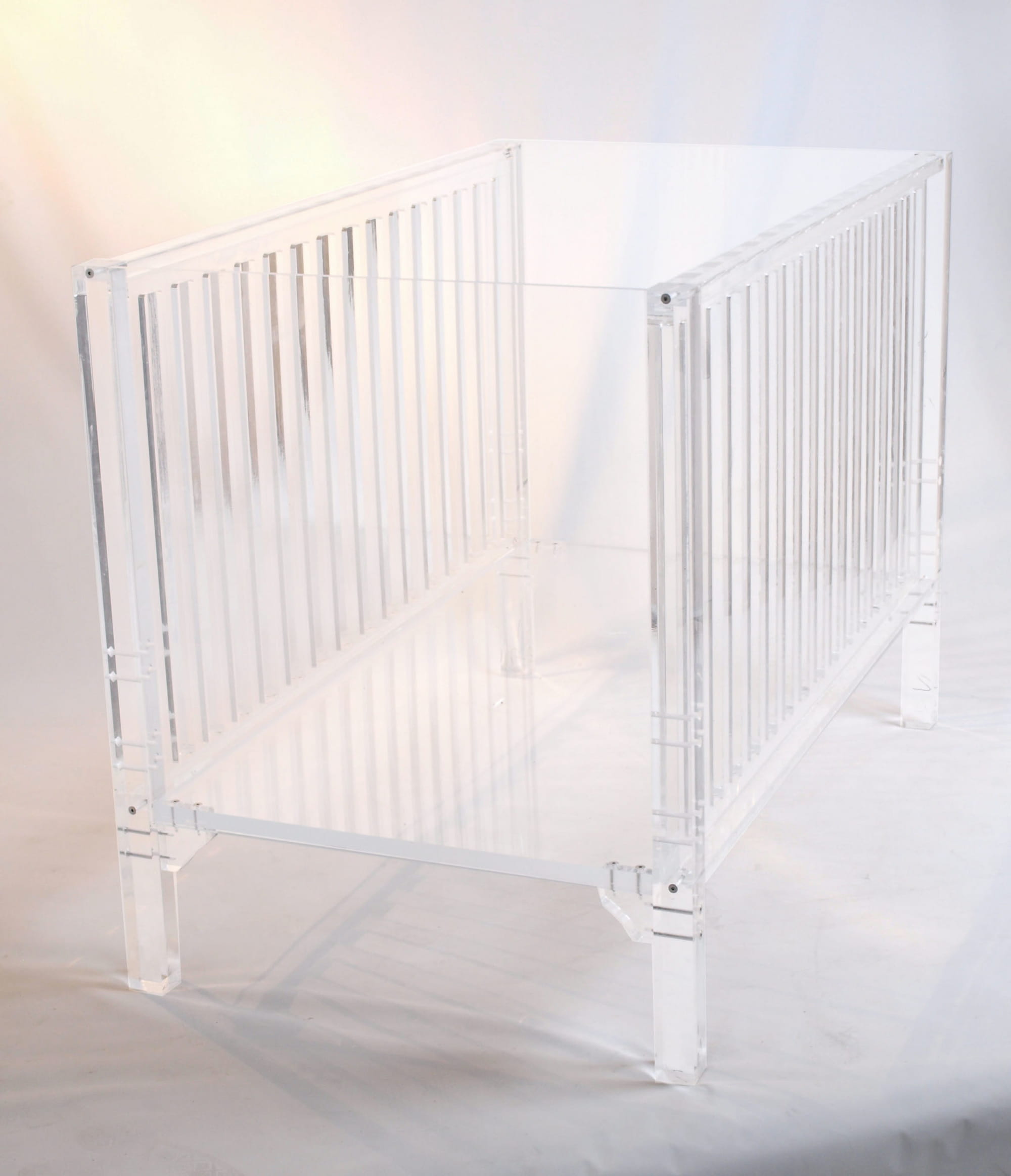
When businesses and retailers invest in display solutions, the details of how a product is presented can directly influence purchasing decisions. An acrylic jewelry stand is far more than a passive holder — it is an active part of the visual merchandising strategy. Whether you are outfitting a retail boutique, a trade show booth, or an e-commerce photography setup, the design choices embedded in a custom acrylic jewelry stand will determine how well it serves your specific operational and aesthetic goals.
Customization of an acrylic jewelry stand is not simply about choosing a color or size. It involves a layered set of structural, functional, and visual decisions that must align with the type of jewelry being displayed, the environment in which the stand will be used, and the brand identity of the business. Understanding these design considerations before placing a custom order can save significant time, cost, and rework down the line.
Material Thickness and Structural Integrity
Why Thickness Matters in an Acrylic Jewelry Stand
The thickness of the acrylic sheet used in a jewelry stand is one of the most consequential design decisions. Thinner acrylic, typically in the 2mm to 3mm range, may be suitable for lightweight items such as earrings or small pendants. However, for heavier pieces like gemstone slabs, agate displays, or layered necklace arrangements, a thicker acrylic panel — often 5mm to 8mm or more — is necessary to prevent bowing, cracking, or instability over time.
An acrylic jewelry stand that flexes under load not only risks damaging the displayed items but also communicates poor quality to potential buyers. In a retail or exhibition context, structural confidence is part of the brand message. Specifying the correct thickness during the customization phase ensures the stand maintains its form and function across extended use cycles.
It is also worth noting that thicker acrylic tends to have better optical clarity at the edges, which enhances the premium appearance of the display. For high-end jewelry brands, this edge clarity can be a meaningful differentiator in how the overall presentation is perceived.
Base Stability and Weight Distribution
The base design of an acrylic jewelry stand must be engineered to support the total weight of the items it will carry without tipping. A wide, flat base provides the most stability for tall or top-heavy configurations. Some designs incorporate weighted inserts or combine acrylic with metal components — such as adjustable metal arms — to improve balance while maintaining a clean visual profile.
When customizing a stand for gemstones, crystals, or agate slabs, the base must account for uneven weight distribution since natural stones vary considerably in mass. A well-designed acrylic jewelry stand for these applications often features a broader footprint and reinforced connection points between the base and the vertical support structure.
Configuration and Adjustability
Fixed Versus Adjustable Display Configurations
One of the most practical design considerations for an acrylic jewelry stand is whether the configuration should be fixed or adjustable. Fixed designs offer simplicity and a clean, unified aesthetic, making them ideal for single-product showcases or permanent retail installations where the display inventory does not change frequently.
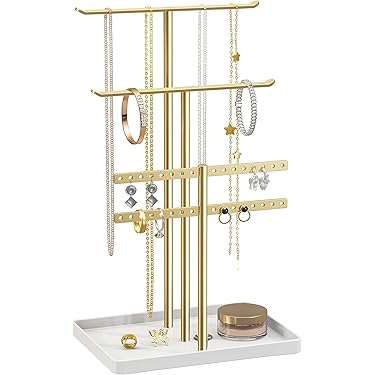
Adjustable configurations, on the other hand, provide operational flexibility that is highly valuable for businesses that rotate stock, attend multiple trade shows, or display a diverse range of jewelry types. An acrylic jewelry stand with adjustable arms or modular tiers allows the same physical unit to accommodate rings, bracelets, necklaces, and larger decorative stones without requiring separate display fixtures for each category.
The decision between fixed and adjustable should be driven by how the stand will actually be used day to day. Retailers with a curated, consistent product line may prefer the polished look of a fixed design, while wholesale showrooms or multi-category boutiques will benefit more from the adaptability of an adjustable acrylic jewelry stand.
Tier Spacing and Arm Positioning
When designing a tiered or multi-arm acrylic jewelry stand, the spacing between levels is a critical functional detail. Too little space between tiers can cause items to overlap or obscure one another, reducing visibility and making it difficult for customers to examine individual pieces. Too much space can make the display feel sparse and underutilized.
Arm positioning should be calibrated to the specific dimensions of the jewelry being displayed. For example, necklaces require longer vertical drop space, while rings and earrings need tighter, more compact arrangements. A well-customized acrylic jewelry stand accounts for these dimensional requirements at the design stage rather than relying on workarounds after production.
Transparency, Finish, and Visual Presentation
Clear Versus Tinted Acrylic Options
The optical properties of the acrylic material used in a jewelry stand have a direct impact on how the displayed items are perceived. Clear acrylic is the most common choice because it creates a neutral, invisible-support effect that allows the jewelry itself to take center stage. This is particularly effective for colorful gemstones, crystals, and metallic pieces where the display should not compete visually with the product.
Tinted or frosted acrylic options can be used strategically to reinforce brand identity or create a specific mood. A black acrylic jewelry stand, for instance, creates a dramatic contrast that works well for gold and silver pieces. A frosted white finish can evoke a clean, minimalist aesthetic suited to contemporary jewelry brands. The key is ensuring the chosen finish complements rather than distracts from the merchandise.
It is important to source acrylic with consistent optical quality, as lower-grade materials can introduce yellowing, surface haze, or uneven light transmission that diminishes the perceived value of the display. For a custom acrylic jewelry stand intended for long-term use, UV-resistant acrylic grades are worth specifying to prevent discoloration from ambient lighting exposure.
Surface Finish and Edge Treatment
The surface finish of an acrylic jewelry stand affects both its tactile quality and its visual refinement. Polished edges give a glass-like appearance that elevates the premium feel of the display, while matte or satin finishes reduce glare and fingerprint visibility — a practical advantage in high-traffic retail environments where the stand is frequently handled.
Edge treatment is often an overlooked detail in custom orders, but it significantly influences the overall impression of the finished product. Flame-polished edges produce a smooth, optically clear border that looks intentional and professional. Rough or unfinished edges, by contrast, can make even a well-designed acrylic jewelry stand appear unfinished or low-cost.
Branding Integration and Personalization
Laser Engraving and Logo Placement
Custom branding is one of the most compelling reasons businesses choose to invest in a bespoke acrylic jewelry stand rather than an off-the-shelf solution. Laser engraving allows logos, brand names, taglines, or decorative patterns to be etched directly into the acrylic surface with high precision and permanence. Unlike printed labels or adhesive decals, engraved branding does not peel, fade, or misalign over time.
The placement of branding elements on an acrylic jewelry stand requires careful consideration of visibility and proportion. A logo positioned on the base or lower panel is visible to customers approaching the display without interfering with the jewelry itself. Overly large or centrally placed branding can distract from the merchandise, so restraint and intentional placement are generally more effective than prominent coverage.
For businesses that participate in trade shows or pop-up retail events, a branded acrylic jewelry stand also functions as a passive marketing asset, reinforcing brand recognition across every interaction with the display.
Color Customization and Brand Consistency
Beyond engraving, color customization allows an acrylic jewelry stand to align precisely with a brand's visual identity. Acrylic is available in an extensive range of colors, and custom tinting or the use of colored acrylic sheets can produce a display that feels like a natural extension of the brand's packaging, signage, and overall aesthetic system.
Consistency across display materials is particularly important for brands that operate across multiple retail locations or sales channels. When every acrylic jewelry stand in a network of stores shares the same color, finish, and structural design, it creates a cohesive brand environment that reinforces professionalism and attention to detail.
Functional Compatibility with Jewelry Types
Designing for Specific Jewelry Categories
Not all jewelry has the same display requirements, and a well-customized acrylic jewelry stand must be designed with the specific product category in mind. Rings require small, precisely spaced slots or pegs that hold each piece upright and visible. Necklaces need hooks or bars at appropriate heights to allow chains to hang freely without tangling. Bracelets benefit from cylindrical or T-bar forms that showcase their shape.
For natural stone products such as crystals, agate slabs, or geode specimens, the acrylic jewelry stand must provide a stable cradle or easel-style support that accommodates irregular shapes and significant weight variation. Adjustable metal arms integrated into an acrylic frame are a particularly effective solution for this category, as they can be repositioned to support stones of different sizes and profiles.
Designing a single acrylic jewelry stand to serve multiple jewelry categories simultaneously requires careful planning of the spatial layout, arm configurations, and load-bearing capacity. In many cases, a modular approach — where components can be added or removed — offers the best balance of versatility and visual coherence.
Portability and Assembly Requirements
For businesses that transport their acrylic jewelry stand between locations — such as trade show exhibitors or traveling retailers — portability is a design consideration that must be addressed from the outset. Stands that can be disassembled into flat-pack components are far easier to transport and store than rigid, fully assembled units.
The assembly mechanism should be intuitive and tool-free where possible, using slot-and-tab joinery, magnetic connections, or simple screw fittings that can be managed without specialized equipment. An acrylic jewelry stand that requires complex reassembly at each event creates unnecessary operational friction and increases the risk of damage during repeated handling.
FAQ
What acrylic thickness is recommended for a jewelry stand that will hold heavy gemstones?
For heavy items such as gemstones, agate slabs, or crystal specimens, an acrylic jewelry stand should use panels of at least 5mm to 8mm thickness. The base should also be reinforced or widened to handle uneven weight distribution. Combining acrylic with metal support arms can further improve load-bearing capacity without compromising the visual clarity of the display.
Can an acrylic jewelry stand be customized with a company logo?
Yes, laser engraving is the most durable and precise method for adding branding to an acrylic jewelry stand. Logos, brand names, and decorative patterns can be etched directly into the acrylic surface. For color-based branding, tinted acrylic sheets or UV printing are also viable options depending on the design requirements and production volume.
How does the choice between clear and tinted acrylic affect the display of jewelry?
Clear acrylic creates a neutral background that allows the jewelry to be the visual focus, which works well for colorful or intricate pieces. Tinted or frosted acrylic can enhance contrast and reinforce brand aesthetics — for example, a black acrylic jewelry stand creates a dramatic backdrop for metallic jewelry. The choice should be guided by the specific product being displayed and the overall brand environment.
What should be considered when designing an acrylic jewelry stand for trade show use?
Trade show applications require an acrylic jewelry stand that balances visual impact with practical portability. The stand should be designed for easy disassembly and flat-pack transport, with intuitive assembly that does not require tools. Branding integration through engraving or color customization adds marketing value, while adjustable configurations allow the same stand to accommodate different product mixes across multiple events.
Table of Contents
- Material Thickness and Structural Integrity
- Configuration and Adjustability
- Transparency, Finish, and Visual Presentation
- Branding Integration and Personalization
- Functional Compatibility with Jewelry Types
-
FAQ
- What acrylic thickness is recommended for a jewelry stand that will hold heavy gemstones?
- Can an acrylic jewelry stand be customized with a company logo?
- How does the choice between clear and tinted acrylic affect the display of jewelry?
- What should be considered when designing an acrylic jewelry stand for trade show use?