 EN
EN

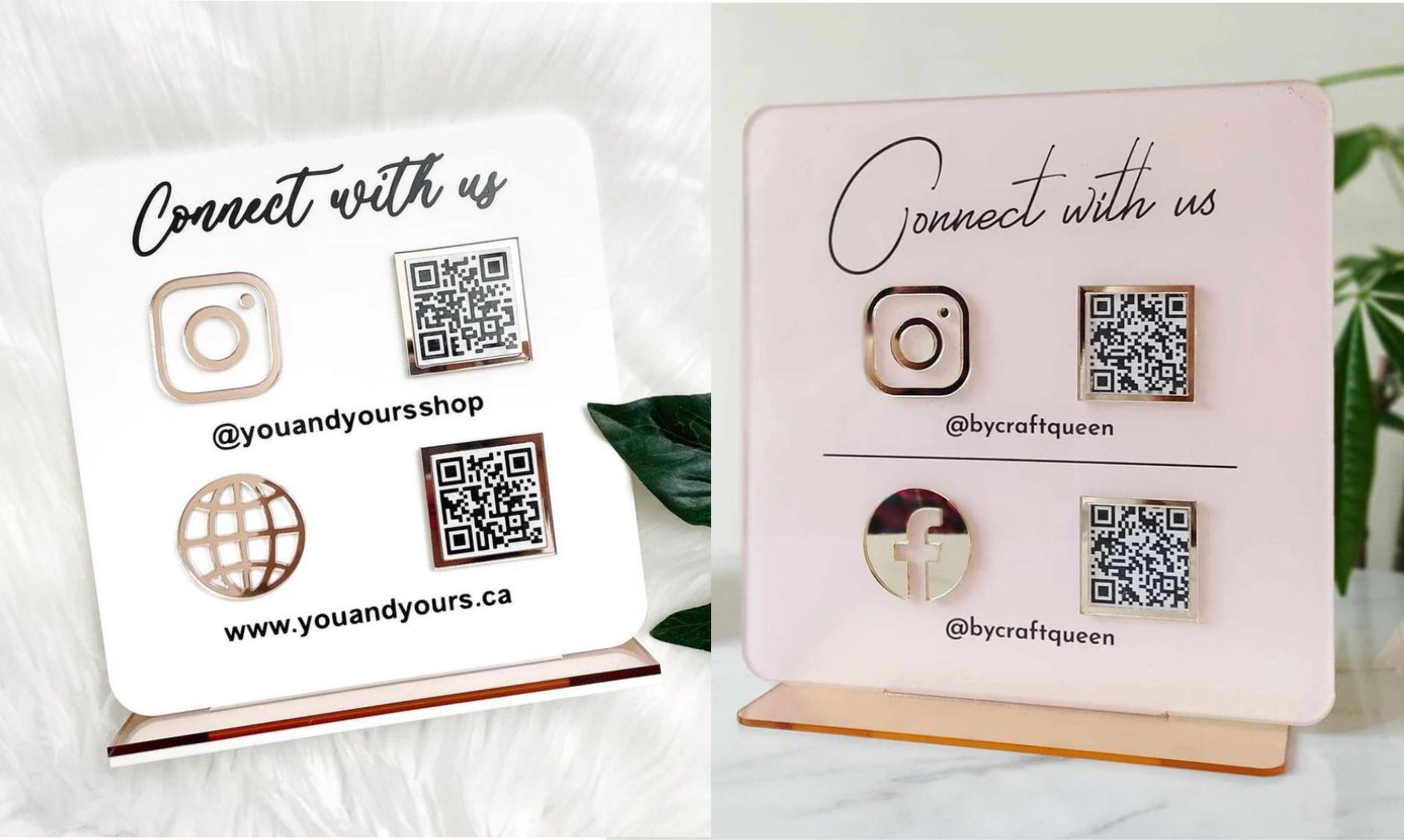
Custom retail and exhibition displays have transformed dramatically over the past decade, with businesses seeking materials that offer both visual appeal and practical functionality. The acrylic board has emerged as a cornerstone material in modern display design, providing unparalleled versatility for creating stunning visual presentations that capture customer attention and enhance brand messaging. From sleek retail environments to sophisticated trade show booths, acrylic board applications continue to expand as designers and retailers discover new ways to leverage its unique properties for maximum impact.
Understanding Acrylic Board Properties and Advantages
Material Composition and Durability Features
The acrylic board manufacturing process involves polymerizing methyl methacrylate to create a thermoplastic polymer that exhibits remarkable clarity and strength. This advanced material composition ensures that acrylic board displays maintain their pristine appearance even under continuous use in high-traffic retail environments. Unlike traditional glass alternatives, acrylic board offers superior impact resistance while weighing approximately half as much, making it an ideal choice for portable exhibition displays and temporary installations.
Professional display manufacturers appreciate how acrylic board maintains its structural integrity across varying temperature conditions, preventing warping or cracking that commonly affects other plastic materials. The inherent UV resistance of quality acrylic board ensures that colors remain vibrant and materials do not yellow over time, preserving the professional appearance of retail displays for extended periods. This durability factor makes acrylic board particularly valuable for outdoor exhibitions and window displays where exposure to sunlight is unavoidable.

Optical Clarity and Light Transmission Benefits
The exceptional optical properties of acrylic board create opportunities for innovative lighting integration within custom displays. With light transmission rates exceeding 90%, acrylic board allows for brilliant illumination effects that enhance product visibility and create eye-catching visual presentations. This superior clarity enables retailers to showcase products without visual distortion, ensuring that customers can accurately perceive colors, textures, and details.
Advanced acrylic board formulations can incorporate specialized additives that enhance light diffusion, creating soft, even illumination across display surfaces. This characteristic proves particularly beneficial for jewelry displays, electronics showcases, and high-end retail environments where product presentation directly impacts purchasing decisions. The ability of acrylic board to maintain clarity while providing uniform light distribution sets it apart from alternative materials in professional display applications.
Retail Display Applications and Design Innovations
Product Showcase and Merchandising Solutions
Modern retail environments utilize acrylic board to create sophisticated product presentation systems that maximize visual impact while maintaining security and accessibility. Curved acrylic board displays allow retailers to showcase products from multiple angles, creating immersive shopping experiences that encourage customer engagement and longer browsing times. The versatility of acrylic board enables designers to create custom shapes and configurations that perfectly complement specific product lines and brand aesthetics.
Specialty retail sectors, including cosmetics, electronics, and luxury goods, rely heavily on acrylic board displays to convey premium quality and modern sophistication. The material's ability to be machined into precise dimensions allows for seamless integration with existing store fixtures and custom branding elements. Retailers can incorporate company logos, product information, and decorative elements directly into acrylic board surfaces through various printing and engraving techniques.
Interactive and Digital Integration Capabilities
Contemporary acrylic board displays increasingly incorporate digital elements to create interactive customer experiences. Touch screen integration, LED lighting systems, and projection mapping technologies work seamlessly with acrylic board substrates to deliver dynamic content that adapts to different products and promotional campaigns. This technological integration transforms static displays into engaging multimedia presentations that capture customer attention and drive sales conversions.
The electrical properties of acrylic board make it suitable for incorporating various electronic components without compromising safety or functionality. Retailers can embed sensors, wireless charging pads, and communication modules within acrylic board displays to create smart retail environments that provide personalized shopping experiences. These advanced applications demonstrate how acrylic board continues to evolve beyond traditional display functions to support next-generation retail concepts.
Exhibition and Trade Show Display Solutions
Portable and Modular System Design
Trade show exhibitors increasingly prefer acrylic board components for creating modular display systems that can be quickly assembled, reconfigured, and transported between events. The lightweight nature of acrylic board significantly reduces shipping costs and setup time compared to traditional materials, while maintaining the professional appearance necessary for effective brand representation. Modular acrylic board systems allow exhibitors to adapt their displays to different booth sizes and layout requirements without requiring completely new components.
Professional exhibition designers utilize acrylic board to create striking architectural elements that define space and guide visitor flow through complex booth layouts. The material's ability to be fabricated into large panels without visible joints creates seamless visual surfaces that enhance brand messaging and product presentations. Custom acrylic board solutions can incorporate company branding, product imagery, and informational content while maintaining the flexibility to update graphics for different events and campaigns.
Lighting and Visual Impact Strategies
Exhibition displays benefit tremendously from the light-conducting properties of acrylic board, which enable creative illumination strategies that draw attention from across busy trade show floors. Edge-lit acrylic board panels create dramatic visual effects that make booth displays visible from considerable distances, increasing foot traffic and visitor engagement. The uniform light distribution achieved through properly designed acrylic board systems ensures consistent visibility of products and messaging throughout the display area.
Advanced acrylic board fabrication techniques allow for the integration of color-changing LED systems that can adapt to different presentation modes throughout an exhibition. This dynamic capability enables exhibitors to highlight different products or messages at various times, maximizing the impact of their investment in acrylic board display systems. The combination of acrylic board clarity and sophisticated lighting creates memorable visual experiences that help exhibitors stand out in competitive trade show environments.
Manufacturing and Customization Processes
Fabrication Techniques and Quality Standards
Professional acrylic board fabrication employs precision manufacturing techniques that ensure consistent quality and dimensional accuracy across all display components. Computer-controlled cutting systems enable the creation of complex shapes and intricate details that would be impossible to achieve with traditional materials. The thermal forming capabilities of acrylic board allow manufacturers to create curved surfaces, compound angles, and three-dimensional elements that enhance the visual appeal and functionality of custom displays.
Quality control processes in acrylic board manufacturing include rigorous testing for optical clarity, impact resistance, and dimensional stability to ensure that finished displays meet professional standards. Advanced polishing techniques restore crystal-clear surfaces after machining operations, while specialized joining methods create seamless assemblies that maintain structural integrity under normal use conditions. These manufacturing capabilities enable the creation of sophisticated acrylic board displays that rival more expensive alternatives.
Customization Options and Brand Integration
The versatility of acrylic board extends to numerous customization options that allow businesses to create unique displays that perfectly align with their brand identity and marketing objectives. Digital printing technologies can reproduce high-resolution graphics, photographs, and brand elements directly onto acrylic board surfaces with exceptional color accuracy and durability. Laser engraving capabilities enable the creation of precise text, logos, and decorative patterns that add tactile and visual interest to display surfaces.
Color customization options for acrylic board include transparent, translucent, and opaque formulations in virtually any color specification, allowing designers to match corporate color schemes and create cohesive visual presentations. Specialized surface treatments can add texture, reduce glare, or provide anti-static properties depending on specific application requirements. These extensive customization capabilities ensure that acrylic board displays can be tailored to meet the unique needs of any retail or exhibition environment.
Maintenance and Longevity Considerations
Cleaning and Care Requirements
Proper maintenance of acrylic board displays requires specific cleaning procedures that preserve optical clarity and surface integrity over extended service periods. Regular cleaning with appropriate acrylic-safe solutions removes fingerprints, dust, and other contaminants without causing scratches or chemical damage to the surface. The non-porous nature of acrylic board prevents the absorption of stains and odors, making it particularly suitable for food service and hospitality display applications.
Professional maintenance protocols for acrylic board displays include periodic inspection for stress cracks, proper storage procedures during transportation, and protective measures during installation and dismantling. The chemical resistance of acrylic board allows for disinfection with common sanitizing agents, making it ideal for medical, pharmaceutical, and food industry applications where hygiene requirements are paramount. Understanding proper care techniques ensures that acrylic board displays maintain their professional appearance throughout their service life.
Environmental Impact and Sustainability Factors
The environmental profile of acrylic board includes considerations for both manufacturing processes and end-of-life disposal options that align with corporate sustainability initiatives. Recycling programs for acrylic board materials enable businesses to responsibly dispose of outdated displays while recovering value from the raw materials. The durability and longevity of acrylic board displays reduce the frequency of replacement compared to alternative materials, contributing to overall resource conservation efforts.
Energy efficiency benefits of acrylic board displays include reduced lighting requirements due to superior light transmission properties and lower transportation costs associated with the material's lightweight characteristics. Modern acrylic board formulations increasingly incorporate recycled content and bio-based additives that reduce dependence on petroleum-derived raw materials. These sustainability factors make acrylic board an environmentally responsible choice for businesses seeking to minimize their environmental footprint while maintaining high-quality display standards.
FAQ
What thickness of acrylic board is best for retail displays
The optimal acrylic board thickness depends on the specific application and structural requirements of your display. For lightweight signage and graphics, 3-6mm acrylic board provides adequate strength while minimizing weight and cost. Medium-duty applications such as product shelving and protective barriers typically require 6-12mm acrylic board for proper load-bearing capacity. Heavy-duty applications including large panels, structural elements, and high-traffic installations may require 12-25mm acrylic board to ensure long-term durability and safety compliance.
How does acrylic board compare to glass for exhibition displays
Acrylic board offers several advantages over glass for exhibition displays, including significantly reduced weight, superior impact resistance, and easier fabrication into complex shapes. While glass provides slightly better scratch resistance, acrylic board maintains comparable optical clarity while offering greater design flexibility and safety benefits. The shipping and handling costs for acrylic board displays are substantially lower than glass alternatives, making it more practical for traveling exhibitions and temporary installations where weight and breakage concerns are important factors.
Can acrylic board displays be used outdoors
High-quality acrylic board is specifically formulated for outdoor use and includes UV inhibitors that prevent yellowing and degradation from sunlight exposure. Outdoor acrylic board displays maintain their clarity and structural integrity across a wide temperature range, making them suitable for year-round installations in most climates. Proper design considerations including thermal expansion allowances and secure mounting systems ensure that outdoor acrylic board displays provide reliable performance and professional appearance even in challenging environmental conditions.
What printing methods work best with acrylic board
Digital UV printing provides the highest quality results for acrylic board graphics, offering excellent color reproduction, sharp detail, and superior adhesion properties. Screen printing works well for solid colors and simple designs while providing cost advantages for large quantity orders. Vinyl graphics and digital decals offer flexibility for temporary applications and allow for easy updates to messaging and branding elements. Each printing method has specific advantages depending on the complexity of the design, quantity requirements, and expected display lifespan.