 EN
EN

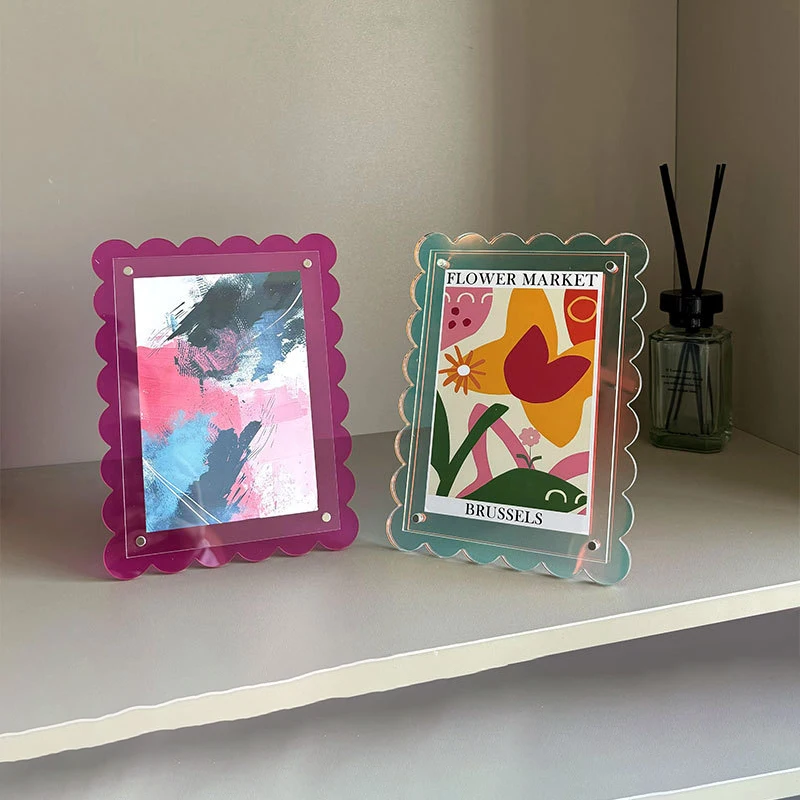
Modern commercial display projects demand materials that combine exceptional clarity with practical durability, and acrylic has emerged as the superior choice over traditional glass solutions. When selecting display materials for retail environments, museums, or collector showcases, the decision between acrylic and glass significantly impacts both functionality and long-term performance. An acrylic display case offers numerous advantages that make it the preferred option for businesses seeking reliable, cost-effective display solutions that maintain visual appeal while providing enhanced safety and versatility.
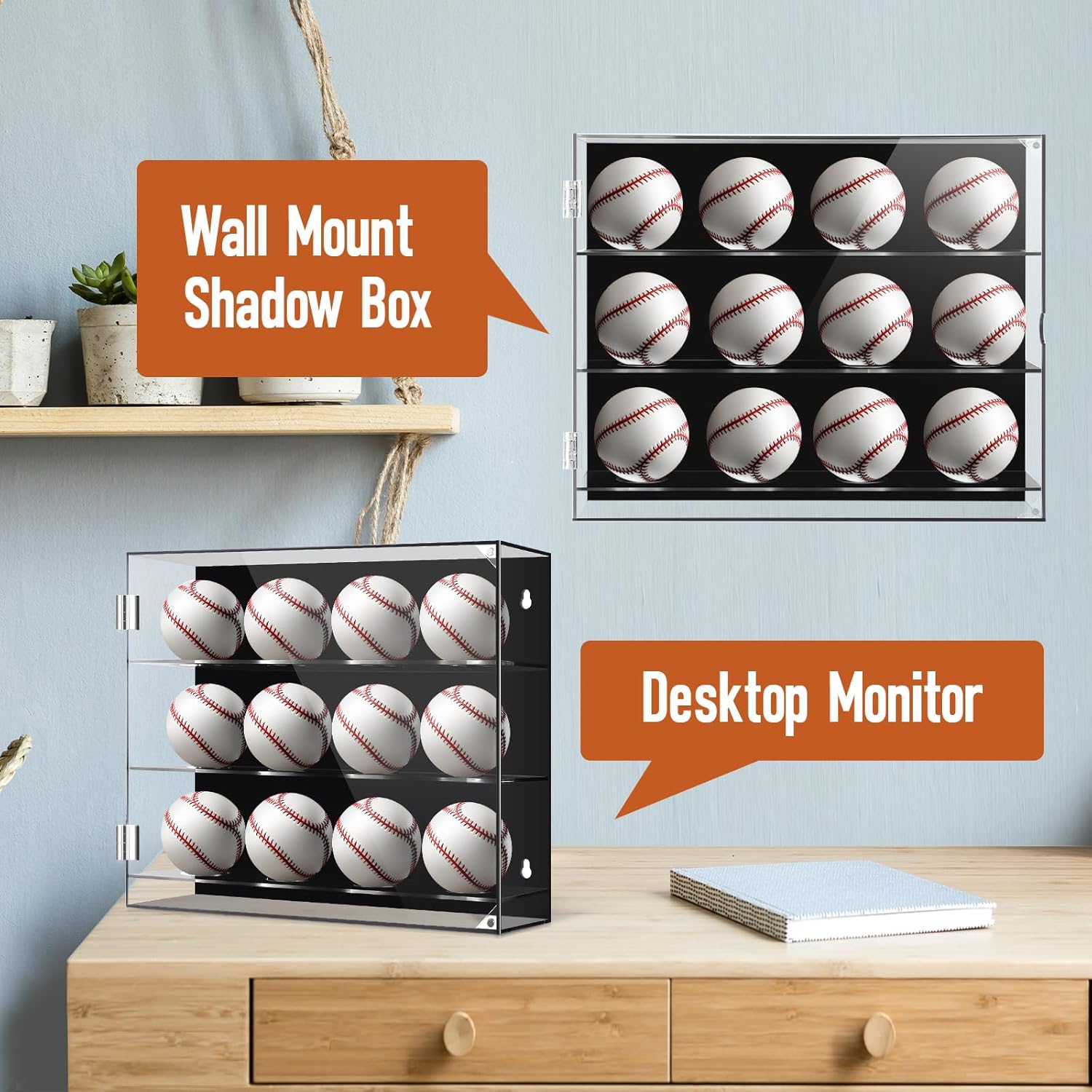
The commercial display industry has witnessed a significant shift toward acrylic materials due to their superior performance characteristics and practical benefits. Unlike glass, which can be heavy, fragile, and expensive to replace, acrylic provides exceptional optical clarity while maintaining lightweight properties that facilitate installation and reduce structural requirements. This material revolution has transformed how businesses approach display design, enabling more creative and functional showcase solutions that meet demanding commercial environments.
Superior Durability and Safety Features
Impact Resistance and Breakage Prevention
Acrylic demonstrates remarkable impact resistance compared to traditional glass, making it an ideal choice for high-traffic commercial environments where safety is paramount. The material can withstand significant force without shattering, reducing liability concerns and maintenance costs associated with broken display cases. When an acrylic display case does experience damage, it typically cracks rather than breaking into dangerous sharp fragments, creating a safer environment for both customers and staff.
This enhanced durability translates directly into reduced replacement costs and improved operational efficiency for businesses. Commercial establishments can maintain their displays with confidence, knowing that minor impacts or accidents won't result in expensive glass replacement or potential injury claims. The robust nature of acrylic makes it particularly suitable for retail environments, trade shows, and public exhibitions where displays face constant interaction and potential stress.
Weather and Environmental Resistance
Acrylic materials exhibit excellent resistance to environmental factors that can compromise glass displays over time. UV resistance prevents yellowing and degradation, ensuring that display cases maintain their crystal-clear appearance even under intense lighting conditions or outdoor exposure. This stability makes acrylic particularly valuable for displays that require consistent visual quality over extended periods without frequent maintenance or replacement.
Temperature fluctuations, which can cause glass to crack or develop stress fractures, have minimal impact on properly manufactured acrylic displays. This thermal stability ensures that seasonal changes in heating and cooling don't compromise display integrity, making acrylic suitable for environments with varying temperature conditions. The material's resistance to moisture and chemical exposure further enhances its longevity in diverse commercial applications.
Weight and Installation Advantages
Reduced Structural Requirements
The lightweight nature of acrylic significantly reduces structural support requirements compared to glass displays of equivalent size and thickness. This weight reduction enables installation in locations where glass displays would be impractical or require expensive structural modifications. An acrylic display case can be mounted on standard walls or suspended from ceiling systems without the heavy-duty hardware required for glass alternatives.
Installation teams can work more efficiently with acrylic displays, reducing labor costs and project timelines. The material's manageable weight allows for easier positioning, adjustment, and reconfiguration as display needs change over time. This flexibility proves particularly valuable in retail environments where seasonal displays or promotional changes require frequent modifications to showcase arrangements.
Transportation and Handling Benefits
Shipping and handling costs decrease substantially when using acrylic instead of glass for commercial display projects. The reduced weight translates directly into lower freight charges, especially for large-scale installations or international shipments. Additionally, the decreased risk of breakage during transportation minimizes insurance costs and delivery delays that often plague glass display shipments.
Installation crews can safely handle acrylic displays with standard equipment and procedures, eliminating the need for specialized glass-handling tools and techniques. This accessibility reduces installation complexity and allows for more flexible scheduling, as fewer specialized personnel are required for safe installation and positioning of display components.
Optical Clarity and Aesthetic Benefits
Light Transmission Properties
High-quality acrylic materials provide exceptional light transmission rates that often exceed those of standard glass, creating brilliant display conditions that enhance product visibility. The material's optical properties ensure that displayed items appear vibrant and clearly visible from multiple viewing angles without the distortion sometimes present in lower-grade glass alternatives. This superior clarity makes acrylic display case solutions ideal for showcasing valuable merchandise, collectibles, or promotional materials where visual impact is crucial.
The consistent optical quality of acrylic eliminates variations in thickness and surface irregularities that can affect glass displays, providing uniform viewing experiences across large installations. This consistency proves particularly important for commercial environments where multiple display units must maintain identical visual standards to create cohesive presentation aesthetics.
Customization and Design Flexibility
Acrylic's moldable properties enable complex shapes and custom designs that would be extremely expensive or impossible to achieve with glass manufacturing processes. This design flexibility allows commercial display projects to incorporate unique geometric forms, curved surfaces, and integrated features that enhance both functionality and visual appeal. Businesses can create distinctive display solutions that align with their brand identity and specific presentation requirements.
The material accepts various surface treatments, including texturing, coloring, and specialized coatings that enhance functionality or aesthetic appeal. These customization options enable businesses to create truly unique display environments that differentiate their presentations from standard glass-based alternatives while maintaining superior performance characteristics.
Cost-Effectiveness and Long-Term Value
Initial Investment Considerations
While premium acrylic materials may carry higher initial costs than standard glass, the total cost of ownership typically favors acrylic solutions when considering installation, maintenance, and replacement factors. The reduced installation complexity and lower structural requirements often offset material cost differences, creating overall project savings that become more significant with larger installations.
Insurance considerations also favor acrylic display case installations, as the reduced breakage risk and improved safety profile can result in lower liability premiums for commercial properties. These ongoing savings accumulate over time, contributing to the long-term financial benefits of choosing acrylic over glass for commercial display applications.
Maintenance and Lifecycle Costs
Acrylic displays require minimal specialized maintenance compared to glass alternatives, reducing ongoing operational costs throughout their service life. Standard cleaning procedures using appropriate cleaners maintain optimal appearance without the careful handling required for glass surfaces. The material's resistance to scratching and chemical damage ensures that routine maintenance activities don't compromise display quality or require professional restoration services.
Replacement costs remain significantly lower for acrylic components when damage does occur, as the material costs less to manufacture and install than equivalent glass alternatives. This cost advantage becomes particularly important for businesses operating multiple locations or large display installations where occasional replacement is inevitable over extended operating periods.
Environmental and Sustainability Advantages
Recyclability and Environmental Impact
Modern acrylic materials offer excellent recyclability properties that support corporate sustainability initiatives and environmental responsibility goals. The material can be reprocessed into new acrylic products, reducing waste streams and supporting circular economy principles that many businesses prioritize in their operational decisions. This recyclability advantage makes acrylic display case solutions attractive for companies seeking to minimize their environmental footprint.
Manufacturing processes for acrylic typically require less energy than glass production, contributing to reduced carbon footprints for display projects. The lighter weight also reduces transportation emissions, creating additional environmental benefits that align with corporate sustainability objectives and green building certification requirements.
Energy Efficiency Benefits
Acrylic's superior insulation properties compared to glass can contribute to energy efficiency in climate-controlled environments. Display cases that help maintain stable temperature and humidity conditions reduce HVAC system workloads, creating ongoing energy savings that benefit both operational costs and environmental impact. This efficiency proves particularly valuable in museums, galleries, and retail environments where climate control is essential for product preservation.
The material's light transmission efficiency may also reduce artificial lighting requirements, as displays achieve optimal visibility with less supplemental illumination. These lighting savings accumulate over time, contributing to reduced energy consumption and lower utility costs while maintaining superior display quality.
FAQ
How does acrylic compare to glass in terms of scratch resistance
While acrylic is more susceptible to surface scratches than glass, modern acrylic formulations include scratch-resistant coatings that significantly improve durability. Most scratches in acrylic can be polished out using appropriate techniques, whereas glass scratches typically require complete panel replacement. The ability to restore acrylic surfaces makes it more practical for high-use commercial environments where occasional surface damage is expected.
What thickness of acrylic provides equivalent strength to standard glass
Generally, acrylic thickness should be approximately 1.5 to 2 times that of equivalent glass to provide similar structural strength, though the specific ratio depends on the application and load requirements. However, even with increased thickness, acrylic display case solutions remain significantly lighter than glass alternatives while providing superior impact resistance. Professional display designers can calculate optimal thickness based on specific load requirements and safety factors.
Can acrylic displays be used in outdoor commercial applications
High-quality acrylic materials are excellent for outdoor commercial displays when properly specified with UV-resistant formulations. These specialized acrylics maintain optical clarity and structural integrity under continuous sun exposure while resisting weather-related degradation that can affect other materials. Outdoor acrylic installations should use appropriate mounting systems designed to accommodate thermal expansion and contraction cycles.
How do cleaning requirements differ between acrylic and glass displays
Acrylic displays require gentle cleaning procedures using specialized cleaners that won't damage the surface, while glass can typically withstand more aggressive cleaning methods. However, acrylic's anti-static properties actually reduce dust accumulation compared to glass, potentially requiring less frequent cleaning overall. Proper cleaning techniques ensure that acrylic display case installations maintain optimal appearance throughout their service life with minimal maintenance effort.