 EN
EN

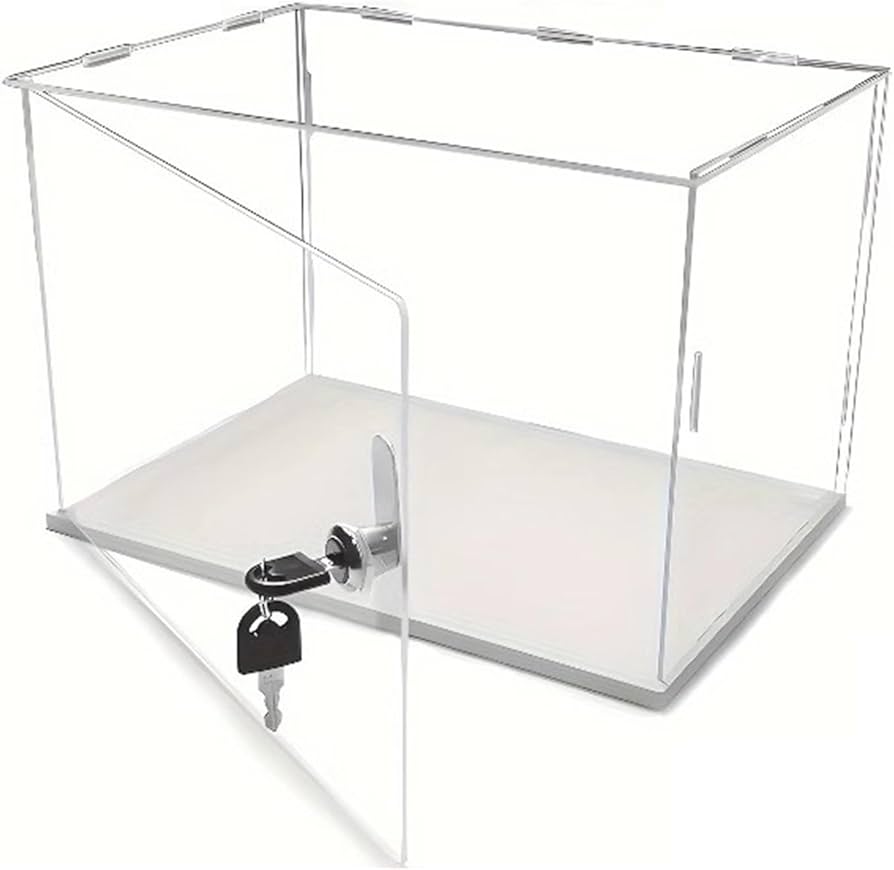
Product protection has become increasingly critical for businesses and collectors seeking to preserve valuable items while maintaining visibility and accessibility. Modern display solutions must balance protective capabilities with aesthetic appeal, leading many to consider advanced materials that offer superior safeguarding without compromising presentation quality.
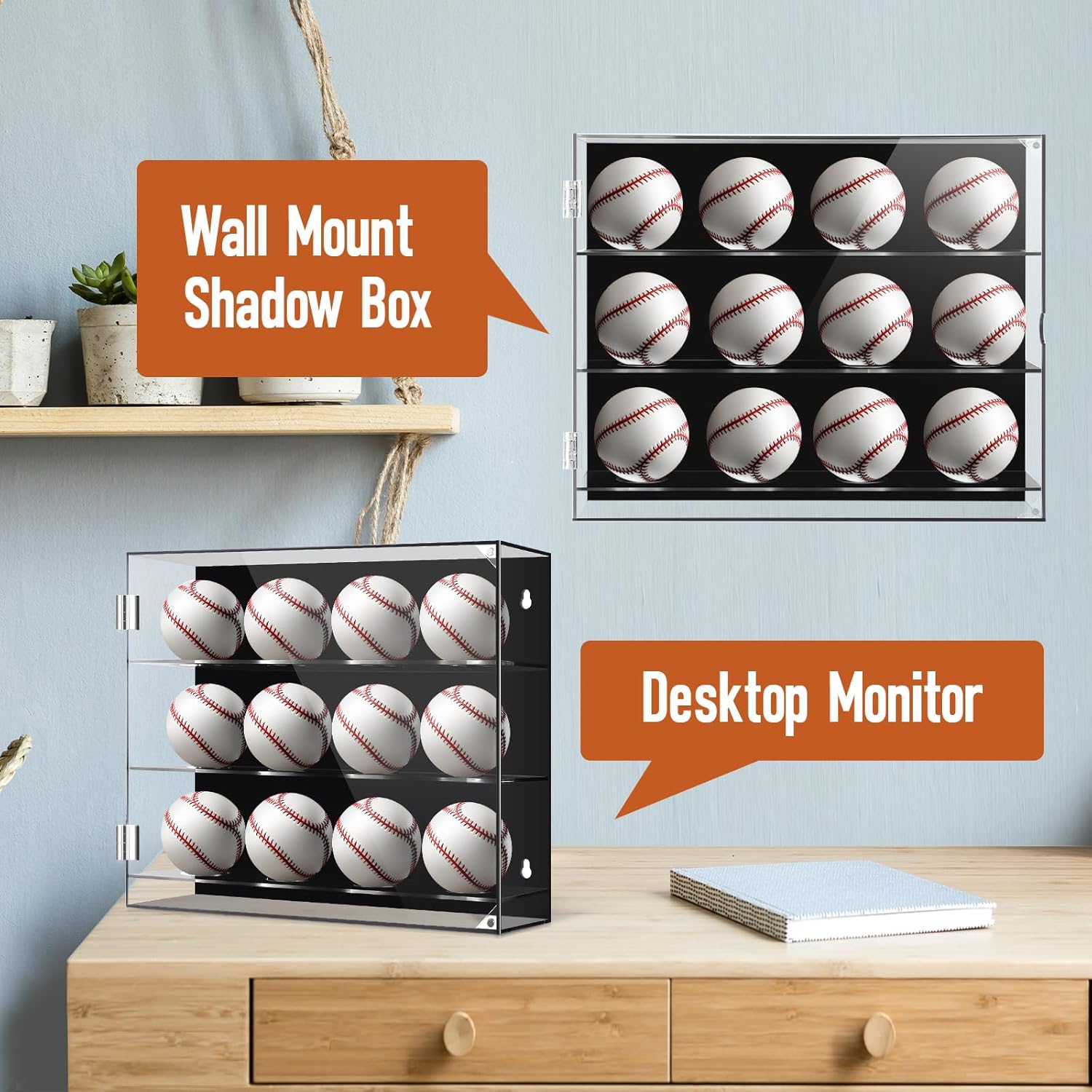
Acrylic display cases have emerged as the preferred choice for product protection across numerous industries, from retail merchandising to museum exhibitions and personal collections. These transparent protective enclosures deliver exceptional benefits that traditional glass or wooden display solutions cannot match, offering enhanced durability, superior clarity, and comprehensive protection against environmental factors that can damage or deteriorate valuable items.
Physical Protection Advantages
Impact Resistance and Durability
Acrylic display cases provide remarkable impact resistance that significantly exceeds traditional glass alternatives. The polymer structure of acrylic material can withstand impacts up to seventeen times greater than standard glass, making these cases ideal for high-traffic environments where accidental bumps or minor collisions might occur. This enhanced durability translates directly into better product protection, reducing the risk of case breakage that could expose valuable items to damage.
The flexibility inherent in acrylic construction allows these display cases to absorb shock and distribute impact forces more effectively than rigid glass structures. When subjected to stress, acrylic display cases bend slightly rather than shattering, maintaining their protective integrity even under challenging conditions. This characteristic proves particularly valuable in retail environments, trade shows, and educational settings where constant interaction increases the likelihood of accidental impacts.
Manufacturing processes for acrylic display cases incorporate stress-resistant joining techniques that create seamless protective barriers. The welded seams and precision-fitted components eliminate weak points commonly found in traditional display cases, ensuring consistent protection throughout the case structure. This comprehensive approach to structural integrity means that valuable products remain secure regardless of handling or environmental pressures.
Scratch and Wear Resistance
Modern acrylic display cases incorporate advanced surface treatments that provide exceptional resistance to scratching and surface wear. These protective coatings maintain optical clarity while preventing the micro-scratches that can accumulate over time and diminish visibility. The result is sustained product protection with maintained aesthetic appeal, ensuring that displayed items remain clearly visible throughout extended exhibition periods.
The inherent properties of acrylic material contribute to its superior wear resistance compared to softer plastic alternatives. Quality acrylic display cases maintain their surface integrity under regular cleaning and maintenance routines, resisting the cloudiness or haziness that can develop in inferior materials. This sustained clarity ensures that product protection does not compromise presentation quality over time.
Surface hardness treatments applied during manufacturing enhance the natural durability of acrylic display cases, creating protective barriers that resist daily wear patterns. These treatments penetrate the material structure rather than forming superficial coatings, providing long-lasting protection that maintains effectiveness throughout the case's operational lifetime.
Environmental Protection Benefits
Dust and Contamination Prevention
Acrylic display cases create effective barriers against airborne contaminants that can damage or deteriorate valuable products over time. The precision-fitted construction of quality acrylic cases minimizes air infiltration, preventing dust particles, pollen, and other environmental contaminants from reaching displayed items. This protection proves especially critical for delicate materials such as textiles, documents, electronics, and collectibles that can suffer irreversible damage from accumulated contamination.
Sealed acrylic display cases maintain controlled internal environments that preserve product integrity by limiting exposure to external pollutants. The non-porous surface characteristics of acrylic material prevent the absorption and retention of contaminants that might otherwise transfer to displayed products. This creates a clean, stable environment that extends the lifespan and maintains the condition of valuable items.
Advanced sealing systems incorporated into professional-grade acrylic display cases provide comprehensive protection against fine particulate matter that can penetrate traditional display solutions. These sealing mechanisms maintain their effectiveness over extended periods, ensuring consistent environmental protection without requiring frequent maintenance or replacement components.
UV Light and Radiation Shielding
Ultraviolet radiation poses a significant threat to many materials, causing fading, brittleness, and chemical degradation that can permanently damage valuable products. Acrylic display cases offer inherent UV filtering properties that significantly reduce harmful radiation exposure while maintaining excellent optical transmission for visible light. This selective filtering preserves product appearance and structural integrity without compromising display visibility.
Specialized UV-filtering acrylic formulations provide enhanced protection for particularly sensitive materials such as photographs, artwork, fabrics, and historical documents. These advanced materials can block up to 98% of harmful UV radiation while maintaining crystal-clear transparency for optimal product presentation. The result is comprehensive protection that preserves both aesthetic and monetary value over extended exhibition periods.
The consistent UV protection offered by acrylic display cases eliminates the need for additional filtering systems or protective treatments that might complicate display arrangements. This integrated protection approach simplifies installation and maintenance while ensuring reliable safeguarding against one of the most common causes of product deterioration in display environments.
Climate Control and Moisture Protection
Humidity Regulation Benefits
Moisture control represents a critical factor in product protection, as fluctuating humidity levels can cause expansion, contraction, warping, and chemical reactions that damage valuable items. Acrylic display cases provide effective humidity barriers that help stabilize internal moisture levels, protecting sensitive products from the damaging effects of environmental humidity variations.
The low moisture permeability of acrylic material creates stable internal environments within display cases, reducing the rapid humidity fluctuations that can stress delicate materials. This stability proves particularly important for organic materials, metals, and composite products that respond negatively to moisture changes. Quality acrylic display cases maintain more consistent internal conditions than alternatives constructed from hygroscopic materials.
Professional-grade acrylic display cases can incorporate desiccant systems and humidity monitoring equipment to provide active moisture control for extremely sensitive products. The chemical compatibility of acrylic material with various humidity control additives allows for customized protection systems that address specific preservation requirements without compromising case integrity or appearance.
Temperature Stability Features
Temperature variations can cause expansion and contraction cycles that stress products and accelerate deterioration processes. Acrylic display cases provide thermal insulation properties that help moderate temperature fluctuations within the display environment, creating more stable conditions for product preservation. This thermal buffering effect reduces stress on displayed items and helps maintain consistent preservation conditions.
The thermal expansion coefficient of acrylic material allows display cases to accommodate temperature changes without creating stress concentrations that might compromise protective integrity. This flexibility ensures that acrylic display cases maintain their protective seal and structural integrity across wide temperature ranges, providing reliable protection in various environmental conditions.
Heat-resistant acrylic formulations enable display cases to function effectively in environments with elevated temperatures or significant thermal cycling. These specialized materials maintain their protective properties and optical clarity even under challenging thermal conditions, ensuring continued product protection in demanding applications such as industrial displays or outdoor installations.
Security and Access Control Advantages
Theft Prevention Capabilities
Acrylic display cases serve as effective deterrents against theft and unauthorized handling while maintaining product visibility for legitimate viewing. The robust construction of quality acrylic cases requires significant effort to breach, providing security benefits that protect valuable items in retail, museum, and exhibition environments. This protection proves especially valuable for high-value collectibles, jewelry, electronics, and other items that might attract unauthorized attention.
Integrated locking mechanisms available with acrylic display cases provide controlled access that balances security needs with operational requirements. These systems can range from simple key locks to sophisticated electronic access controls, allowing authorized personnel to access displayed items while maintaining security against unauthorized handling. The transparency of acrylic material ensures that security features do not compromise product visibility.
The difficulty of inconspicuously breaching acrylic display cases makes them effective deterrents in environments where surveillance may be limited or intermittent. The effort and tools required to compromise a quality acrylic case create sufficient barriers to discourage opportunistic theft while alerting security personnel to more determined attempts at unauthorized access.
Controlled Handling Prevention
Unauthorized handling represents a significant threat to valuable or delicate products, as oils from skin contact, accidental drops, or improper manipulation can cause immediate or progressive damage. Acrylic display cases eliminate direct contact while allowing complete visual inspection, protecting products from handling damage while maintaining their appeal and accessibility for viewing purposes.
The clear barriers created by acrylic display cases prevent well-intentioned but potentially damaging interactions such as touching, repositioning, or examining products too closely. This protection proves particularly important for items with sensitive surfaces, delicate mechanisms, or historical significance where any physical contact might compromise integrity or value.
Educational and interpretive displays benefit significantly from the handling protection offered by acrylic display cases, as these environments often encourage close examination and interaction. The cases allow detailed observation and photography while preventing the cumulative damage that can result from repeated handling by multiple visitors over extended periods.
Long-term Preservation Value
Chemical Stability and Inertness
The chemical inertness of acrylic material ensures that display cases do not release harmful vapors or chemicals that might damage displayed products over extended periods. This stability proves crucial for sensitive materials that can react with outgassing from inferior display materials, leading to discoloration, deterioration, or chemical damage. Acrylic display cases maintain their protective properties without contributing to preservation problems.
Museum-quality acrylic formulations meet strict conservation standards that ensure compatibility with valuable artifacts, artwork, and historical materials. These specialized materials undergo rigorous testing to verify their chemical stability and confirm that they will not contribute to deterioration processes over decades of use. This long-term reliability makes acrylic display cases suitable for permanent installations and valuable collections.
The non-reactive surface characteristics of acrylic display cases prevent the formation of harmful chemical environments that might accelerate product deterioration. Unlike some materials that can catalyze oxidation or other degradation processes, acrylic maintains neutral conditions that support rather than compromise preservation efforts.
Maintenance and Longevity Benefits
Acrylic display cases require minimal maintenance to sustain their protective capabilities, making them cost-effective solutions for long-term product protection. The non-porous surface characteristics prevent the accumulation of contaminants that might compromise protection effectiveness, while the material's inherent stability ensures consistent performance over extended operational periods.
Cleaning and maintenance procedures for acrylic display cases use standard cleaning solutions and techniques that do not require specialized equipment or training. This accessibility ensures that protective effectiveness can be maintained through routine care procedures, supporting sustained product protection without significant ongoing costs or complicated maintenance requirements.
The replacement cost advantages of acrylic display cases compared to glass alternatives provide economic benefits that extend beyond initial purchase considerations. Should damage occur, acrylic cases can often be repaired rather than completely replaced, while their lighter weight reduces handling risks and shipping costs for relocations or reconfigurations.
FAQ
How do acrylic display cases compare to glass cases for product protection?
Acrylic display cases offer superior impact resistance, being up to 17 times stronger than glass while maintaining equal optical clarity. They provide better UV protection, are lighter in weight, and offer enhanced safety since they don't shatter into dangerous fragments. While glass may have slight advantages in scratch resistance, acrylic's overall protective benefits and safety characteristics make it the preferred choice for most product protection applications.
Can acrylic display cases protect against humidity damage to sensitive items?
Yes, acrylic display cases provide excellent moisture barriers that help stabilize internal humidity levels and protect sensitive products from environmental humidity fluctuations. The low moisture permeability of acrylic material creates stable internal environments, and professional-grade cases can incorporate additional humidity control systems such as desiccants for enhanced protection of extremely sensitive materials.
Do acrylic display cases provide adequate security for valuable items?
Acrylic display cases offer substantial security benefits through their robust construction and integrated locking mechanisms. While they may not provide the same level of security as dedicated safes, they serve as effective deterrents against theft and unauthorized handling while maintaining complete product visibility. The difficulty of inconspicuously breaching quality acrylic cases makes them suitable for most retail, museum, and exhibition security requirements.
How long can acrylic display cases maintain their protective properties?
High-quality acrylic display cases can maintain their protective properties for decades when properly maintained. The chemical stability and inertness of acrylic material ensure consistent performance over extended periods, while the material's resistance to environmental degradation supports long-term preservation efforts. Museum-quality acrylic formulations are specifically designed to meet conservation standards for permanent installations and valuable collections.