 EN
EN


Acrylic trays have become indispensable tools for creating organized, professional displays across retail and hospitality environments. Their transparent nature, durability, and versatility make them ideal for showcasing products, organizing amenities, and maintaining visual clarity while supporting operational efficiency. Understanding how acrylic trays contribute to organized display systems helps businesses optimize their presentation strategies and enhance customer experiences.
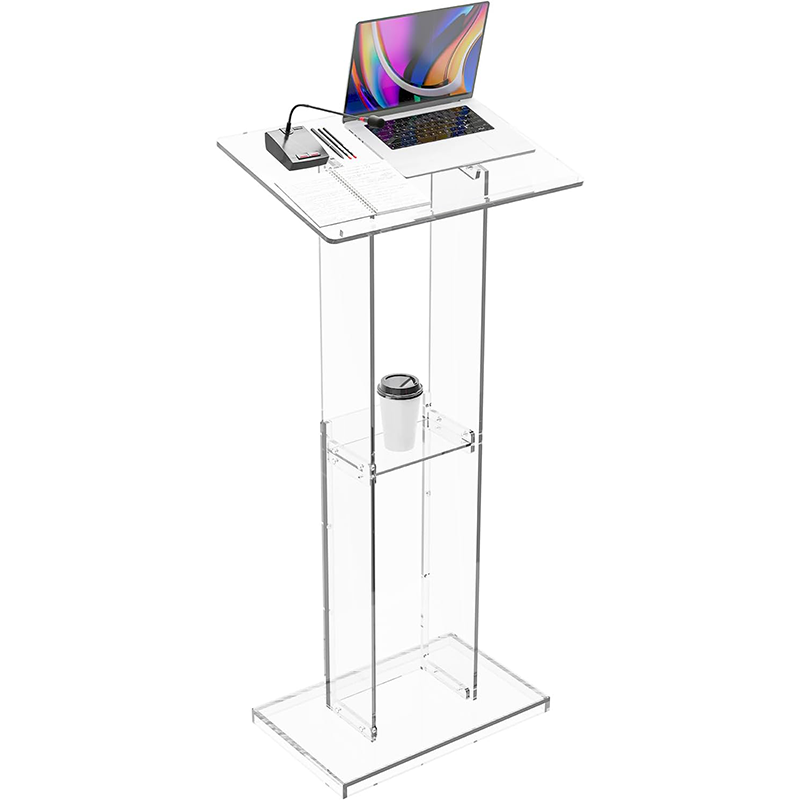
The strategic implementation of acrylic trays in display systems addresses multiple organizational challenges while maintaining aesthetic appeal. These transparent platforms create structured zones for merchandise, promotional materials, and service items without obstructing sight lines or overwhelming visual compositions. Their impact extends beyond simple containment, actively supporting sales objectives and operational workflows through thoughtful design integration.
Visual Organization and Space Management
Creating Clear Product Hierarchies
Acrylic trays establish distinct visual hierarchies by creating defined spaces for different product categories or service offerings. In retail environments, these transparent platforms allow customers to easily identify product groupings while maintaining clean sight lines throughout the display area. The clear material ensures that organizational structure remains visible without creating visual barriers that might discourage interaction.
The dimensional properties of acrylic trays enable retailers to create layered displays that maximize vertical space utilization. Different tray sizes can accommodate various product dimensions while maintaining proportional relationships that guide customer attention naturally. This systematic approach to space allocation prevents cluttered presentations that can overwhelm customers and reduce purchase decisions.
Professional hospitality settings benefit from the ability of acrylic trays to create organized service stations without compromising elegant aesthetics. These transparent organizers maintain the sophisticated appearance expected in upscale environments while providing practical functionality for staff operations. The clear material integrates seamlessly with existing decor themes without introducing competing visual elements.
Maximizing Display Density Without Clutter
The transparent nature of acrylic trays allows businesses to increase display density while avoiding the cluttered appearance typically associated with high-volume presentations. Multiple trays can be positioned at various heights and angles to showcase more items within the same footprint, effectively expanding display capacity without requiring additional floor space.
Strategic tray positioning creates natural browsing patterns that encourage customer exploration while maintaining organized product presentations. The ability to see through multiple display levels prevents the visual confusion that opaque organizers might create in dense arrangements. This transparency supports impulse purchasing by maintaining product visibility from multiple viewing angles.
Hospitality applications leverage this density advantage in buffet presentations, amenity displays, and service counters where space efficiency directly impacts operational effectiveness. Acrylic trays enable establishments to present comprehensive offerings within compact areas while preserving the open, welcoming atmosphere that guests expect.
Functional Support for Operational Efficiency
Streamlining Inventory Management
Acrylic trays provide structured frameworks that simplify inventory tracking and replenishment processes. The defined boundaries created by individual trays make it easier for staff to identify when products need restocking and maintain consistent presentation standards. This organizational clarity reduces the time required for inventory assessments and ensures that display areas remain properly stocked throughout operating hours.
The durability of acrylic construction supports frequent handling required for inventory rotation and cleaning procedures. Unlike fragile materials that might require careful handling, acrylic trays withstand regular movement and cleaning without compromising their structural integrity or optical clarity. This resilience maintains consistent display quality over extended periods of intensive use.
Standardized tray dimensions enable businesses to develop systematic restocking procedures that reduce training requirements and minimize display disruption. Staff members can quickly locate appropriate products for specific tray positions, maintaining organized presentations even during peak operational periods when efficiency becomes critical for customer satisfaction.
Supporting Cleanliness and Hygiene Standards
The non-porous surface of acrylic trays prevents absorption of liquids, oils, and other substances that might compromise hygiene standards in food service or retail environments. This characteristic makes regular cleaning procedures more effective while reducing the risk of bacterial growth or odor retention that could affect product quality or customer perception.
Easy cleaning protocols for acrylic trays support compliance with health regulations and maintain professional appearances without requiring specialized maintenance procedures. The smooth surface allows for quick sanitization between uses, particularly important in hospitality settings where hygiene standards directly impact customer health and business reputation.
The transparent material enables visual inspection of cleanliness levels, ensuring that maintenance standards remain consistently high. Staff members can quickly identify when cleaning is needed, preventing the accumulation of dust, fingerprints, or other contaminants that might detract from professional presentations.
Aesthetic Integration and Brand Enhancement
Maintaining Design Consistency
Acrylic trays provide neutral organizational elements that complement existing design themes without introducing conflicting visual elements. Their transparent nature allows underlying surfaces, backgrounds, and decorative elements to remain visible while providing necessary organizational structure. This compatibility ensures that display organization enhances rather than competes with established brand aesthetics.
The clean, modern appearance of acrylic trays aligns with contemporary design preferences across various industries. Whether supporting minimalist retail concepts or elegant hospitality environments, these transparent organizers contribute to sophisticated presentations that reinforce professional brand positioning. Their timeless aesthetic appeal ensures long-term relevance as design trends evolve.
Consistent use of acrylic trays throughout a facility creates cohesive organizational systems that support brand recognition and customer comfort. When customers encounter familiar organizational patterns across different areas, they develop confidence in the establishment's attention to detail and commitment to quality service delivery.
Enhancing Product Presentation Quality
The optical clarity of acrylic trays eliminates visual distortions that might affect product appearance or color accuracy. This transparency ensures that merchandise appears exactly as intended, supporting accurate customer decision-making and reducing returns due to mismatched expectations. The clear material acts as an invisible platform that elevates products without interfering with their natural appearance.
Proper lighting interaction with acrylic trays can enhance product illumination and create subtle highlighting effects that draw attention to key items. The material's light transmission properties allow display lighting to penetrate through organizational layers, maintaining consistent illumination levels across all display areas and preventing shadows that might obscure product details.
Professional presentation quality achieved through acrylic tray organization supports premium pricing strategies by reinforcing perceptions of value and quality. When products appear well-organized and thoughtfully presented, customers develop greater confidence in their purchasing decisions and show increased willingness to pay higher prices for perceived quality.
Implementation Strategies for Maximum Impact
Selecting Appropriate Tray Configurations
Successful implementation of acrylic trays requires careful consideration of product dimensions, display objectives, and customer interaction patterns. Different tray depths, widths, and edge configurations serve specific organizational purposes, and matching tray characteristics to intended applications ensures optimal functionality and visual appeal.
Modular tray systems offer flexibility for changing display requirements while maintaining consistent organizational aesthetics. Businesses can adjust configurations seasonally or for special promotions without requiring complete display overhauls. This adaptability supports dynamic merchandising strategies that respond to market demands and inventory variations.
Custom sizing options for acrylic trays enable perfect integration with existing fixtures and display systems. When standard dimensions don't match specific requirements, custom fabrication ensures seamless integration that maintains organizational effectiveness while supporting unique brand presentation needs.
Optimizing Placement and Positioning
Strategic positioning of acrylic trays considers customer traffic patterns, sight lines, and interaction preferences to maximize organizational effectiveness and sales impact. Trays positioned at appropriate heights and angles facilitate easy product access while maintaining attractive visual presentations that encourage customer engagement.
Grouping strategies for multiple acrylic trays should support logical product relationships and purchasing behaviors. Related items positioned in adjacent trays encourage cross-selling opportunities while maintaining organized presentations that simplify customer decision-making processes. This systematic approach to tray arrangement supports both organizational objectives and sales goals.
Regular evaluation and adjustment of tray positioning ensures continued effectiveness as customer preferences and product offerings evolve. Flexibility in display arrangements allows businesses to optimize organizational systems based on actual performance data rather than initial assumptions about customer behavior patterns.
FAQ
What sizes of acrylic trays work best for retail display organization?
Standard retail acrylic trays typically range from 6x8 inches for small items like jewelry or accessories to 18x24 inches for larger merchandise displays. Medium-sized trays around 12x16 inches offer versatility for most retail applications. The ideal size depends on your specific products, available display space, and customer interaction requirements. Consider product dimensions with adequate spacing for easy selection and restocking.
How do acrylic trays maintain cleanliness in food service environments?
Acrylic trays feature non-porous surfaces that prevent bacterial growth and odor absorption, making them ideal for food service applications. They can be cleaned with standard sanitizing solutions without damage to the material or optical clarity. Regular cleaning with mild detergents and warm water maintains hygiene standards, while the transparent material allows visual verification of cleanliness levels.
Can acrylic trays support heavy items without cracking or breaking?
High-quality acrylic trays can support substantial weight when properly sized for the application. Thicker acrylic materials and reinforced edge designs provide increased weight capacity for heavier merchandise. However, weight distribution should be even across the tray surface, and sharp impacts should be avoided. Consult manufacturer specifications for specific weight limits based on tray dimensions and thickness.
How do acrylic trays compare to other display organization materials?
Acrylic trays offer superior optical clarity compared to plastic alternatives while providing better impact resistance than glass options. They maintain their appearance longer than metal trays that might show scratches or corrosion. The lightweight nature of acrylic makes repositioning easier than heavier materials, while the durability exceeds that of cardboard or wooden alternatives. The combination of transparency, durability, and easy maintenance makes acrylic trays particularly well-suited for professional display applications.