 EN
EN

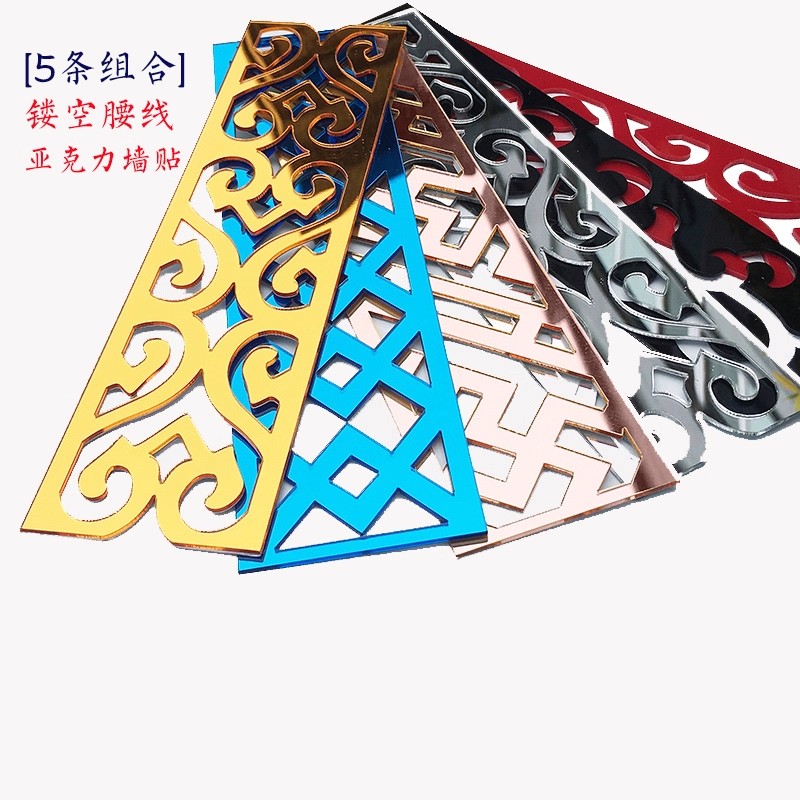
Acrylic display cases and trays offer exceptional versatility for showcasing valuable collections, retail merchandise, and promotional items. The ability to customize these transparent solutions enables businesses and collectors to create displays that perfectly align with their specific presentation needs, space requirements, and aesthetic preferences. From museums displaying historical artifacts to retailers highlighting premium products, customized acrylic display cases provide the perfect balance of protection and visibility.
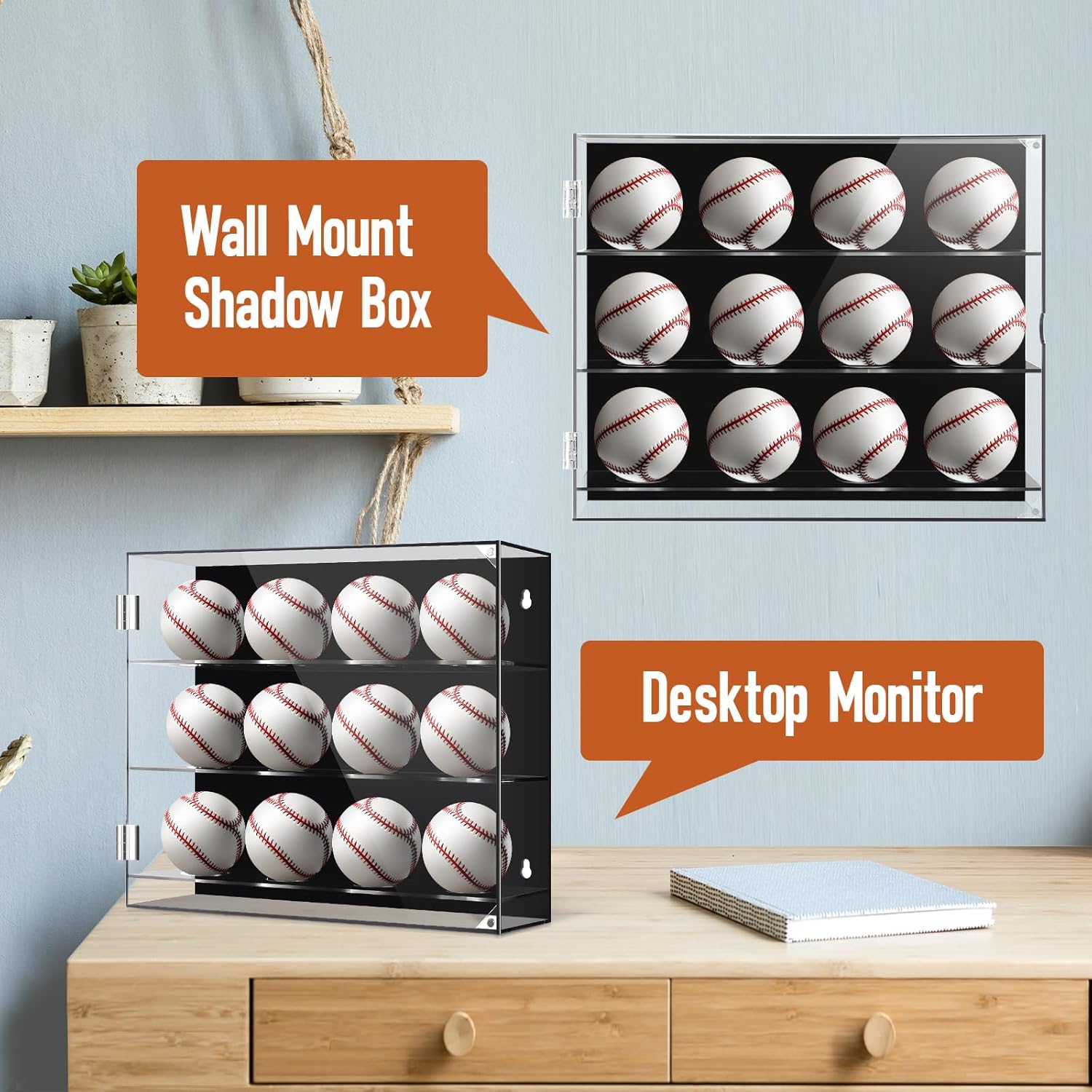
The customization possibilities for acrylic display cases extend far beyond basic size adjustments, encompassing specialized features like lighting integration, security mechanisms, and unique compartment configurations. Understanding these customization options empowers buyers to make informed decisions that maximize the display potential of their collections while ensuring optimal protection and presentation quality. Whether you need sports memorabilia cases, jewelry displays, or product showcases, the right customization choices can transform standard acrylic display cases into powerful presentation tools.
Dimensional and Structural Customization Features
Size and Shape Modifications
Manufacturers of acrylic display cases typically accommodate a wide range of dimensional specifications to meet diverse display requirements. Standard rectangular cases can be modified to create custom heights, widths, and depths that perfectly fit specific spaces or items. This flexibility proves particularly valuable for collectors with uniquely sized items or businesses operating within constrained retail environments. The ability to create non-standard dimensions ensures that acrylic display cases maximize space utilization while maintaining optimal viewing angles.
Beyond basic rectangular configurations, many suppliers offer curved, cylindrical, or uniquely shaped acrylic display cases that create distinctive presentation effects. These specialized shapes work exceptionally well for high-end retail environments where the display case itself becomes part of the aesthetic appeal. Custom shape modifications require precise engineering to maintain structural integrity while achieving the desired visual impact, making them popular choices for luxury brand presentations and museum exhibitions.
Internal Configuration Options
The internal layout of acrylic display cases can be extensively customized through adjustable shelving systems, removable dividers, and specialized mounting hardware. These features enable users to reconfigure their displays as collections grow or change, providing long-term value and adaptability. Adjustable shelf systems typically include precise positioning mechanisms that maintain level surfaces while accommodating items of varying heights.
Custom compartment designs allow collectors and retailers to create dedicated spaces for specific items, ensuring proper support and optimal presentation angles. For example, acrylic display cases designed for sports memorabilia often include custom stands, cradles, or mounting systems that showcase items at ideal viewing angles while providing secure support.
Surface Treatment and Finishing Customizations
Transparency and Optical Enhancements
While standard acrylic display cases provide excellent clarity, various optical enhancements can further improve visibility and presentation quality. Anti-glare coatings reduce reflections that might obstruct viewing, particularly important in environments with strong lighting or large windows. These treatments maintain the crystal-clear appearance of acrylic while eliminating distracting reflections that can interfere with item visibility.
UV-resistant treatments protect displayed items from harmful ultraviolet radiation that can cause fading, deterioration, or color changes over time. This customization proves essential for valuable collectibles, artwork, or merchandise that requires long-term preservation. The UV protection maintains the original appearance of displayed items while allowing full visibility and natural lighting effects within the acrylic display cases.
Surface Texturing and Branding Options
Etching and engraving services enable the incorporation of logos, text, or decorative patterns directly onto acrylic display cases. These customizations create professional branding opportunities for retail environments while adding personalization options for collectors. Laser engraving produces precise, permanent markings that maintain the structural integrity of the acrylic while creating subtle yet effective visual elements.
Frosted or matte finishes on specific areas of acrylic display cases can create privacy screens, highlight certain sections, or provide backgrounds that enhance item contrast. These selective treatments allow designers to control attention and create visual hierarchy within displays while maintaining overall transparency where needed.
Security and Access Control Customizations
Locking Mechanisms and Safety Features
Security customizations for acrylic display cases range from simple magnetic closures to sophisticated electronic locking systems. High-value collections often require tamper-evident locks, reinforced hinges, and shatter-resistant acrylic formulations that provide enhanced protection against unauthorized access. These security features integrate seamlessly into the design while maintaining the clean aesthetic that makes acrylic display cases attractive.
Alarm integration capabilities allow acrylic display cases to connect with existing security systems, providing real-time monitoring and breach detection. Motion sensors, vibration detectors, and opening alerts can be discretely incorporated into custom case designs, ensuring comprehensive protection for valuable collections without compromising visual appeal.
Access Door Configurations
Custom door designs accommodate different access needs and space constraints while maintaining security and visual continuity. Sliding doors work well in tight spaces where traditional hinged access might be impractical, while lift-off tops provide complete access for large or awkwardly shaped items. Multi-panel access systems enable selective opening of different case sections without exposing entire collections.
Soft-close mechanisms and precision hinges ensure smooth, controlled operation that protects both the case and displayed items from jarring movements. These premium hardware options extend the operational life of acrylic display cases while providing a luxury feel that matches high-end presentation requirements.
Lighting and Environmental Control Options
Integrated Lighting Systems
LED lighting integration transforms acrylic display cases into stunning presentation platforms that highlight items with precision and style. Custom lighting configurations can include adjustable spot lights, even-distribution strip lighting, or color-changing systems that create dramatic effects or match specific branding requirements. The low heat output of LED systems protects sensitive items while providing excellent illumination quality.
Wireless control systems enable remote adjustment of lighting intensity, color temperature, and timing, allowing displays to adapt to different viewing conditions or create automated presentation sequences. These smart lighting features prove particularly valuable in retail environments where displays need to attract attention during different times of day or promotional periods.
Climate Control and Preservation Features
Humidity control systems can be integrated into custom acrylic display cases to protect sensitive items from moisture damage or excessive dryness. These systems maintain optimal environmental conditions while remaining virtually invisible within the case design. Silica gel chambers, active ventilation systems, and sealed environments all represent different approaches to climate control that can be customized based on specific preservation requirements.
Air filtration systems remove dust, pollutants, and other contaminants that might accumulate on displayed items over time. These features prove particularly valuable for long-term displays where regular cleaning access is limited or for extremely sensitive materials that require pristine environmental conditions.
Specialized Application Customizations
Industry-Specific Design Features
Different industries require unique features in their acrylic display cases to accommodate specific display challenges and regulatory requirements. Jewelry displays might incorporate rotating platforms, specialized lighting angles, and security features, while museum cases focus on conservation requirements, educational accessibility, and artifact protection. These industry-specific customizations ensure that acrylic display cases meet professional standards while providing optimal presentation quality.
Food service applications require acrylic display cases with easy cleaning access, food-safe materials, and temperature control capabilities. Pharmaceutical displays need compliance with regulatory standards, tamper-evident features, and clear product information visibility. Each application demands specific customization approaches that balance functionality with presentation effectiveness.
Interactive and Technology Integration
Modern acrylic display cases can incorporate digital displays, touch screens, and interactive elements that provide additional information or engagement opportunities. These technology integrations require careful planning to maintain the clean aesthetic of acrylic while providing meaningful functionality. Wireless charging pads, Bluetooth connectivity, and smartphone integration represent emerging customization options that bridge physical and digital presentation experiences.
Augmented reality compatibility enables viewers to access additional information about displayed items through mobile devices, creating immersive experiences that extend beyond traditional static displays. These advanced features position acrylic display cases as modern presentation tools that meet evolving expectations for interactive and informative displays.
FAQ
How long does it typically take to manufacture custom acrylic display cases?
Manufacturing timeframes for custom acrylic display cases vary based on complexity and customization level, typically ranging from 2-6 weeks for standard modifications to 8-12 weeks for highly specialized features. Simple dimensional changes or basic engraving usually require minimal additional time, while complex lighting integration, security systems, or unique shapes need extended engineering and fabrication periods. Manufacturers often provide detailed timelines during the design consultation phase to ensure realistic delivery expectations.
What factors influence the cost of customizing acrylic display cases?
Customization costs depend on several factors including size modifications, material upgrades, hardware complexity, and manufacturing volume. Basic dimensional changes typically add 10-30% to standard pricing, while specialized features like integrated lighting, security systems, or unique shapes can increase costs by 50-200% or more. Volume orders often provide cost efficiencies that offset individual customization expenses, making custom features more affordable for larger projects or ongoing relationships with manufacturers.
Can existing acrylic display cases be retrofitted with custom features?
Many customization options can be added to existing acrylic display cases through retrofit modifications, though the feasibility depends on the current case design and desired features. Surface treatments like engraving or UV coatings can often be applied to existing cases, while structural modifications like new door systems or internal configurations may require significant reconstruction. Lighting systems and simple hardware upgrades represent the most commonly successful retrofit applications for existing display cases.
How do I determine which customization options are necessary for my specific display needs?
Identifying appropriate customization options requires careful consideration of your displayed items, environment, security needs, and long-term goals. Start by evaluating the value and fragility of items to determine necessary protection levels, then consider the display location to understand lighting, space, and access requirements. Consulting with experienced manufacturers helps identify customization options that provide the best value while meeting both current needs and future expansion possibilities for your collection or business display requirements.
Table of Contents
- Dimensional and Structural Customization Features
- Surface Treatment and Finishing Customizations
- Security and Access Control Customizations
- Lighting and Environmental Control Options
- Specialized Application Customizations
-
FAQ
- How long does it typically take to manufacture custom acrylic display cases?
- What factors influence the cost of customizing acrylic display cases?
- Can existing acrylic display cases be retrofitted with custom features?
- How do I determine which customization options are necessary for my specific display needs?