 EN
EN

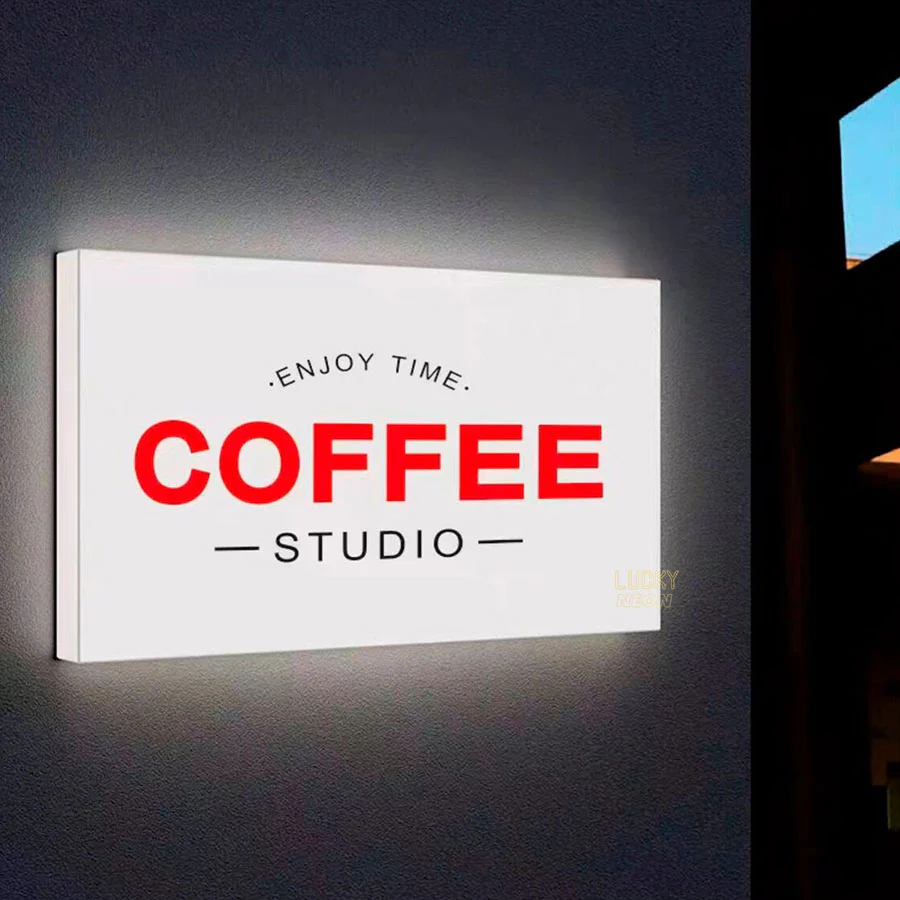
The fabrication of an acrylic light box is a craft that blends material science with precision lighting engineering. Whether displayed in retail windows, exhibition booths, or architectural interiors, an acrylic light box depends entirely on how light is introduced, distributed, and managed inside a transparent or translucent acrylic shell. Understanding the specific lighting techniques used in this process is essential for buyers, designers, and fabricators who want consistent brightness, visual clarity, and long service life from their signage or display investment.
The technology behind a high-quality acrylic light box has evolved dramatically with the rise of LED systems, light guide panels, and edge-lit diffusion methods. Each technique influences not just the aesthetic output but also the structural design, power consumption, and heat management of the final product. This article explores the key lighting techniques applied in acrylic light box fabrication, giving professionals the knowledge they need to specify, source, and evaluate these displays effectively.
The Foundational Role of Light Distribution in Acrylic Light Box Design
Why Light Distribution Defines Product Quality
An acrylic light box is only as good as its ability to distribute light uniformly across the viewing surface. Uneven light distribution creates hotspots, dark edges, or gradient inconsistencies that undermine the visual impact of whatever graphic or message is displayed. Skilled fabricators prioritize light distribution as a primary engineering challenge, not an afterthought.
The refractive and transmissive properties of acrylic make it uniquely suited for controlled light diffusion. Unlike glass, acrylic panels can be engineered with micro-surface textures, laser-etched dot patterns, or internal diffusion additives that scatter incoming light in highly predictable ways. These material-level modifications work in tandem with the lighting source to produce an even, luminous face panel on a finished acrylic light box.
Fabricators often test multiple lighting configurations at prototype stage to ensure uniformity meets the required lux levels and color consistency. This is especially critical in branded retail signage where color accuracy directly reflects the brand identity and customer perception.
The Relationship Between Panel Thickness and Light Travel
The thickness of the acrylic panel plays a direct role in how light travels and disperses within the acrylic light box. Thicker panels allow light to travel greater distances from the edge source, making them suitable for larger format displays. Thinner panels are typically used for compact or slimline acrylic light box formats, where a tighter edge-lit arrangement compensates for the shorter light travel path.
Standard panel thicknesses for edge-lit acrylic light box applications typically range from 6mm to 15mm, with variations depending on the display size and desired brightness output. Fabricators must carefully balance thickness against weight, structural integrity, and the number of LED modules installed to achieve the best result.
The interaction between panel thickness and light source intensity is a calibrated relationship. A high-intensity LED array in a thin panel can cause overexposure near the edges, while an underpowered source in a thick panel may leave the center visibly dim. Getting this balance right is a defining characteristic of professional acrylic light box production.
Edge-Lit Technique in Acrylic Light Box Fabrication
How Edge Lighting Works Within the Acrylic Panel
Edge lighting is the most widely used technique in modern acrylic light box fabrication. In this method, LED strips are positioned along one or more edges of the acrylic panel, and light is injected directly into the material. The acrylic panel then acts as a light guide, propagating the light across its full surface area through total internal reflection.
To redirect this internally guided light toward the viewing face, fabricators incorporate a printed or laser-etched dot pattern on the back surface of the acrylic panel. These dots interrupt the total internal reflection at calculated intervals, releasing controlled amounts of light forward. The density and positioning of these dots are precisely mapped to ensure the resulting acrylic light box face emits uniform brightness from edge to center.
This technique results in an exceptionally slim profile, which is one of the most commercially valuable characteristics of an edge-lit acrylic light box. Depths as shallow as 25mm to 35mm are achievable, making these displays ideal for environments where wall projection and spatial footprint must be minimized.
Advantages of Edge-Lit Acrylic Light Box Systems
Edge-lit construction delivers several practical benefits that make it the preferred technique for commercial and architectural acrylic light box applications. Energy efficiency is a major factor, as the LED strips used in edge lighting require significantly less power than direct backlit arrays while producing comparable surface brightness. This translates into lower operating costs over the display's service life.
The slim depth of an edge-lit acrylic light box also reduces material costs, shipping weight, and installation complexity. For large-scale deployments across retail chains, airport terminals, or exhibition networks, these savings accumulate into meaningful operational advantages. The sealed design of most edge-lit units also reduces dust infiltration, contributing to cleaner long-term appearance.
Additionally, edge lighting generates less heat within the acrylic light box structure because the LED sources are positioned at the periphery rather than directly behind the graphic surface. Lower internal temperatures extend the lifespan of both the lighting components and the acrylic substrate, particularly important for displays in continuously illuminated commercial environments.
Direct Backlit Technique and Its Application in Acrylic Light Box Builds
Understanding the Direct Backlit Configuration
Direct backlighting places LED modules or fluorescent tubes directly behind the acrylic diffuser panel, creating a light source that illuminates the graphic from behind at close range. This technique is typically used in larger-format acrylic light box applications such as retail mega-panels, cinema lightboxes, or large indoor banner displays where maximum brightness is required.
In a direct backlit acrylic light box, a white diffuser panel or specialized diffusion film is layered between the LED array and the graphic face. This diffuser scatters the direct LED point sources into a smooth, continuous luminous surface. Without this layer, the individual LEDs would be visible as distinct bright spots, creating a distracting dotted pattern on the face of the display.
The spacing between the LED modules and the diffuser panel, often called the optical distance, is a critical parameter in direct backlit acrylic light box design. Insufficient optical distance results in visible LED shadows, while excessive distance increases cabinet depth unnecessarily. Fabricators calculate this spacing based on the divergence angle of the LED modules and the desired uniformity ratio.
When Direct Backlighting Is the Right Choice for an Acrylic Light Box
Direct backlighting becomes the preferred technique when output brightness requirements exceed what edge lighting can deliver at a given panel size. Large outdoor-facing displays, window displays in high-ambient-light retail environments, or illuminated signage that must be readable in bright daylight conditions typically require direct backlit acrylic light box construction.
The technique also offers better color rendering for photographic or high-detail graphics because the light source is positioned uniformly across the entire back of the panel, eliminating any gradient loss from edge to center. This makes direct backlighting the technique of choice for professional photography displays, luxury retail installations, and high-fidelity brand imagery presented in an acrylic light box format.
The trade-off is a deeper cabinet profile and higher power consumption compared to edge-lit designs. Fabricators must engineer adequate ventilation or thermal management into the acrylic light box structure to prevent heat-related degradation of the LED drivers and the acrylic material itself over extended operation.
Specialized Lighting Techniques Elevating Acrylic Light Box Performance
Light Guide Panel Technology and Its Integration
Light Guide Panel, or LGP, technology represents a sophisticated evolution of edge lighting for acrylic light box fabrication. In LGP-based designs, the acrylic panel is precision-engineered with a microstructure pattern on its back surface, typically applied through UV printing or laser engraving. This microstructure serves as a systematic optical redirector, converting edge-injected light into a uniform frontal emission plane.
LGP technology allows an acrylic light box to achieve extremely high uniformity ratios, often exceeding 90% brightness uniformity across the entire panel face. This level of consistency is difficult to achieve with hand-applied dot patterns and represents a quality benchmark in premium acrylic light box manufacturing. The pattern density is algorithmically optimized based on the panel dimensions, LED specifications, and intended viewing distance.
The adoption of LGP technology also enables the fabrication of very large format edge-lit acrylic light box displays that were previously only achievable with direct backlit systems. By engineering the light guide properties precisely, fabricators can extend uniform light coverage across panels measuring several meters in width without the depth penalties associated with direct backlighting.
Colored LED and RGB Lighting in Acrylic Light Box Fabrication
Beyond white-light illumination, many commercial acrylic light box products incorporate RGB or tunable white LED systems to enable dynamic color effects. These systems allow a single acrylic light box to cycle through colors, respond to environmental triggers, or synchronize with digital content in interactive retail or architectural applications.
RGB edge-lit acrylic light box displays use precisely positioned color-mixing zones within the panel to blend red, green, and blue light channels into a uniform output color. The mixing quality depends on the optical distance within the panel, the diffusion properties of the acrylic, and the accuracy of the LED driver's color control circuitry. Higher-quality fabrications use additional diffusion layers or larger panels to ensure complete color mixing before light reaches the graphic surface.
For applications in hospitality, exhibition design, and interactive retail environments, color-controllable acrylic light box panels add significant experiential value. These systems are typically paired with programmable controllers or integrated into building management systems, allowing operators to adjust light color and intensity without physically accessing the acrylic light box cabinet.
Quality Control and Material Compatibility in Acrylic Light Box Lighting
Choosing Compatible Acrylic Grades for Each Lighting Technique
Not all acrylic grades perform equally across different lighting techniques. Cast acrylic panels, known for their optical clarity and consistent thickness, are preferred in high-performance acrylic light box applications. Extruded acrylic, while more affordable, may exhibit thickness variations that create uneven light distribution when used in edge-lit acrylic light box configurations.
For direct backlit systems, opal or milky-white diffusion acrylic panels are commonly used as the diffuser layer, replacing or supplementing separate film diffusers. The diffusion factor of the panel, expressed as a percentage of light transmission, must be matched to the LED array density and optical distance to achieve the target uniformity. Misjudging this compatibility leads to either overlit or underlit acrylic light box faces.
Fabricators sourcing materials for an acrylic light box build should verify the optical transmission ratings, UV stability, and heat deflection temperatures of all acrylic components. These parameters directly affect the long-term photometric performance and structural integrity of the finished display, particularly in continuously illuminated applications.
Thermal Management and LED Driver Selection for Sustained Performance
Every acrylic light box lighting technique generates some degree of heat, and managing this heat is critical to maintaining LED efficiency and acrylic material stability over time. Fabricators use aluminum heat sink extrusions, thermal interface materials, and ventilated back panels to dissipate heat effectively within the acrylic light box enclosure.
LED driver selection is equally important. A properly specified driver regulates current within the designed parameters of the LED strip or module, preventing overvoltage conditions that accelerate lumen depreciation. For an acrylic light box intended for 24/7 commercial operation, constant-current drivers with active thermal protection are strongly recommended over simple resistor-limited designs.
The combination of correct thermal management and well-specified drivers can extend the practical service life of an acrylic light box from the industry-average 30,000 hours to well over 50,000 hours. For businesses managing large fleets of illuminated displays, this longevity translates directly into reduced maintenance labor and replacement material costs.
FAQ
What is the most common lighting technique used in a slim acrylic light box?
Edge lighting combined with light guide panel technology is the most common technique in slim-profile acrylic light box fabrication. LEDs are positioned along the panel edges and the engineered acrylic surface redirects light uniformly across the face, enabling very thin cabinet depths while maintaining high brightness and consistency.
Can an acrylic light box use RGB lighting for color-changing effects?
Yes, an acrylic light box can incorporate RGB LED systems that allow dynamic color changes through programmable controllers. The acrylic panel's diffusion properties help blend color channels into a uniform output, and these systems are widely used in retail, hospitality, and interactive display environments where visual flexibility adds value.
What causes uneven brightness in a fabricated acrylic light box?
Uneven brightness in an acrylic light box typically results from poorly mapped dot patterns, incorrect LED spacing, insufficient optical distance in direct backlit systems, or mismatched diffusion materials. Fabrication defects in the acrylic panel itself, such as thickness variations in extruded grades, can also introduce visible light gradients across the display surface.
How does panel thickness affect the performance of an acrylic light box?
Panel thickness determines how far light can travel within the acrylic light box and influences the number of LED modules needed to achieve adequate coverage. Thicker panels support larger format displays with fewer edge light sources, while thinner panels require more concentrated LED arrangements to maintain brightness uniformity across the full display area.
Table of Contents
- The Foundational Role of Light Distribution in Acrylic Light Box Design
- Edge-Lit Technique in Acrylic Light Box Fabrication
- Direct Backlit Technique and Its Application in Acrylic Light Box Builds
- Specialized Lighting Techniques Elevating Acrylic Light Box Performance
- Quality Control and Material Compatibility in Acrylic Light Box Lighting
- FAQ