 EN
EN


Modern interior design has evolved dramatically over the past decade, with designers and homeowners increasingly seeking materials that combine functionality with aesthetic appeal. Among the most versatile materials gaining popularity is acrylic board, a transparent thermoplastic that offers exceptional clarity and durability. This innovative material has transformed how we approach contemporary design, providing solutions that were previously impossible with traditional materials. The growing demand for acrylic board in residential and commercial spaces reflects its unique ability to create sophisticated, minimalist environments while maintaining practical functionality.
The Unique Properties of Acrylic Board in Design Applications
Exceptional Clarity and Light Transmission
Acrylic board stands out from other materials due to its remarkable optical clarity, transmitting up to 92% of visible light. This exceptional transparency makes it ideal for creating design elements that appear to float in space, contributing to the clean, uncluttered aesthetic that defines modern interior design. Unlike glass, acrylic board maintains its clarity over time without yellowing or developing scratches that would compromise its appearance. The material's ability to bend and refract light creates stunning visual effects that enhance natural lighting in any space.
The light transmission properties of acrylic board make it particularly valuable in spaces where maintaining brightness is crucial. Interior designers frequently specify this material for partition walls, display cases, and furniture pieces that need to preserve the flow of light throughout a room. This characteristic helps create larger-feeling spaces and reduces the need for additional artificial lighting, contributing to both aesthetic appeal and energy efficiency.
Superior Durability and Impact Resistance
Modern interior design demands materials that can withstand daily use while maintaining their appearance, and acrylic board delivers exceptional performance in this regard. With impact resistance up to ten times greater than glass, this material provides peace of mind in high-traffic areas or homes with children. The durability of acrylic board means that design investments remain beautiful and functional for years, making it a cost-effective choice for both residential and commercial applications.
The material's resistance to UV radiation ensures that acrylic board installations maintain their clarity and structural integrity even when exposed to direct sunlight. This stability makes it suitable for window applications, skylights, and outdoor design elements that bridge interior and exterior spaces. The longevity of acrylic board reduces maintenance requirements and replacement costs, factors that are increasingly important in sustainable design practices.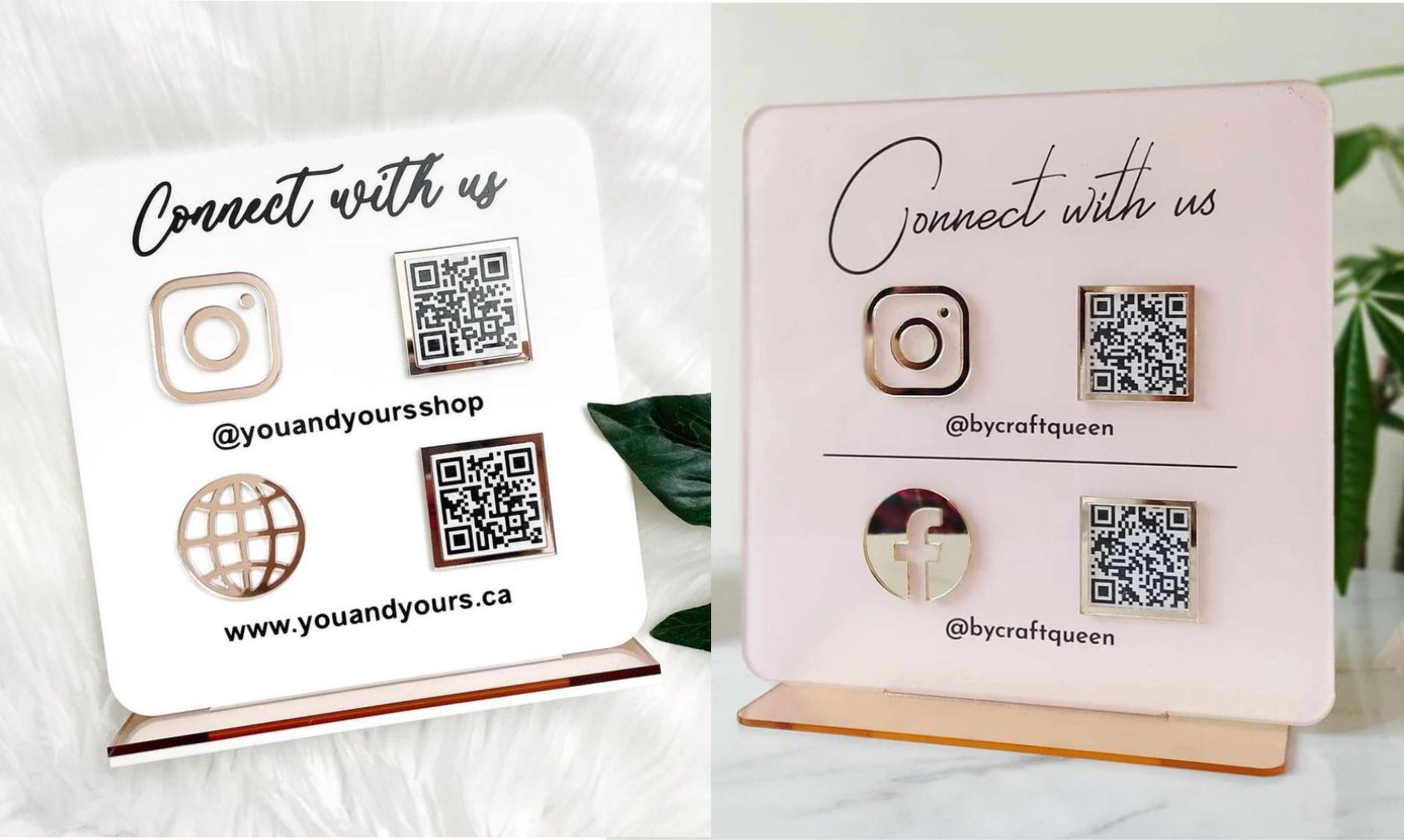
Versatile Design Applications and Creative Possibilities
Furniture and Architectural Elements
The versatility of acrylic board extends to countless furniture applications where transparency and modern aesthetics are desired. From coffee tables and chairs to shelving systems and room dividers, this material enables designers to create pieces that complement rather than compete with surrounding elements. The ability to thermoform acrylic board allows for curved and complex shapes that would be impossible or prohibitively expensive with glass, opening up new creative possibilities for custom furniture design.
Architectural applications of acrylic board include innovative uses in staircases, where transparent treads and railings create dramatic floating effects. The material's workability allows architects to incorporate it into structural elements such as columns and beams, creating spaces that feel open and airy. These applications demonstrate how acrylic board can serve both functional and aesthetic purposes in modern construction.
Lighting and Display Solutions
The relationship between acrylic board and lighting design creates opportunities for spectacular effects that define contemporary interiors. LED edge-lighting techniques can transform acrylic board panels into luminous surfaces that provide ambient lighting while serving as decorative elements. This dual functionality aligns perfectly with modern design principles that emphasize multi-purpose elements and efficient use of space.
Display applications showcase another strength of acrylic board in modern interiors. Museum-quality clarity makes it ideal for protecting and presenting artwork, collectibles, and retail merchandise without visual interference. The material's ability to be fabricated into complex shapes enables creative display solutions that become architectural features in their own right, blending storage, display, and decoration into cohesive design statements.
Installation and Fabrication Advantages
Ease of Working and Customization
The fabrication characteristics of acrylic board make it a preferred material for custom design projects where standard solutions are inadequate. Unlike glass, which requires specialized tools and techniques, acrylic board can be cut, drilled, and shaped using conventional woodworking tools, making it accessible to both professional installers and skilled DIY enthusiasts. This workability reduces installation costs and timelines, important considerations in modern construction and renovation projects.
Heat-forming capabilities allow acrylic board to be shaped into complex curves and angles that create unique design elements. This flexibility enables designers to realize ambitious visions that would be impossible with rigid materials, resulting in truly custom installations that reflect individual style preferences. The ability to achieve precise fits and complex geometries makes acrylic board ideal for challenging architectural spaces where standard products cannot provide adequate solutions.
Joining and Finishing Techniques
Modern joining techniques for acrylic board create seamless connections that maintain the material's clean aesthetic. Solvent welding produces joints that are optically clear and structurally stronger than the base material, enabling large installations without visible connection points. These invisible joints are crucial for maintaining the minimalist appearance that characterizes contemporary design, where any visible hardware or connections would detract from the overall effect.
Surface finishing options for acrylic board range from mirror-like polish to subtle textures that diffuse light or provide visual interest. These finishing techniques allow designers to customize the material's appearance to suit specific design requirements while maintaining its fundamental transparency. The ability to selectively apply different finishes to various areas of the same piece creates sophisticated effects that enhance the overall design impact.
Sustainability and Environmental Benefits
Recyclability and Lifecycle Considerations
Environmental consciousness drives many modern design decisions, and acrylic board offers several sustainability advantages that align with eco-friendly design principles. The material is fully recyclable, and many manufacturers now offer products made from significant percentages of recycled content. This circular approach to material use reduces environmental impact while maintaining the high performance characteristics that make acrylic board desirable for design applications.
The longevity of acrylic board installations contributes to sustainability by reducing replacement frequency and associated waste. Unlike materials that degrade quickly or require frequent refinishing, properly installed acrylic board maintains its appearance and functionality for decades. This durability makes it an environmentally responsible choice that supports long-term design strategies focused on reducing resource consumption and waste generation.
Energy Efficiency and Thermal Performance
The thermal insulation properties of acrylic board contribute to energy efficiency in building applications, helping to reduce heating and cooling costs. When used in window applications or architectural glazing, the material provides better insulation than glass while maintaining excellent light transmission. This combination of thermal performance and optical clarity supports sustainable design goals by reducing energy consumption without compromising natural lighting.
The light weight of acrylic board compared to glass reduces structural loading requirements in building applications, potentially eliminating the need for additional support structures. This weight advantage translates to material savings in other building components and simplified installation procedures that reduce labor costs and construction time. These benefits compound the environmental advantages of choosing acrylic board for modern design projects.
Cost-Effectiveness and Long-Term Value
Initial Investment Considerations
While acrylic board may require a higher initial investment than some alternative materials, its cost-effectiveness becomes apparent when considering long-term performance and maintenance requirements. The material's durability and stability mean that installations retain their appearance and functionality without the periodic replacement or refinishing required by other materials. This longevity makes acrylic board an economical choice for design projects where life-cycle costs are more important than initial expenditure.
The ability to fabricate acrylic board into complex shapes and custom configurations often eliminates the need for multiple components or specialized hardware, reducing overall project costs. Single-piece construction possibilities simplify installation and reduce labor requirements, contributing to overall project savings. These fabrication advantages make acrylic board particularly cost-effective for custom design projects where unique solutions are required.
Maintenance and Operational Benefits
The low maintenance requirements of acrylic board contribute significantly to its long-term value proposition in modern interiors. Unlike materials that require special cleaning products or professional maintenance services, acrylic board can be maintained with standard cleaning supplies and techniques. This simplicity reduces ongoing operational costs and makes it suitable for high-traffic applications where frequent cleaning is necessary.
The resistance of acrylic board to staining, UV degradation, and impact damage minimizes repair and replacement costs over the material's service life. These characteristics are particularly valuable in commercial applications where appearance maintenance is crucial for business operations. The predictable performance of acrylic board allows for accurate long-term budgeting and reduces unexpected maintenance expenses that can impact project economics.
Design Trends and Future Applications
Integration with Smart Home Technology
The transparency and workability of acrylic board make it ideal for integration with emerging smart home technologies that require discrete installation while maintaining design continuity. Touch-sensitive panels, embedded displays, and sensor arrays can be incorporated into acrylic board installations without compromising their aesthetic impact. This capability positions the material at the forefront of connected home design, where technology integration must be seamless and unobtrusive.
Future applications of acrylic board in smart home environments may include programmable opacity panels, integrated lighting systems, and interactive surfaces that respond to user preferences. The material's excellent electrical properties and compatibility with various technologies make it a platform for innovation in responsive interior design. These advanced applications demonstrate the continuing evolution of acrylic board beyond its traditional decorative and structural roles.
Biophilic Design and Natural Light Optimization
The trend toward biophilic design, which seeks to connect interior spaces with natural elements, benefits significantly from the light transmission properties of acrylic board. By maximizing natural light penetration while providing necessary separation and protection, the material supports design strategies that improve occupant well-being and connection to the outdoor environment. This alignment with wellness-focused design principles ensures continued relevance in future interior design trends.
Innovative applications of acrylic board in green walls, water features, and natural light distribution systems demonstrate its versatility in supporting biophilic design goals. The material's ability to protect sensitive natural elements while maintaining visual connection creates opportunities for bringing nature indoors in ways that were previously impractical. These applications represent growing market segments where acrylic board provides unique solutions.
FAQ
How does acrylic board compare to glass in terms of safety and performance
Acrylic board offers significantly superior impact resistance compared to glass, making it much safer in applications where breakage could pose risks. When acrylic board does break, it tends to crack rather than shatter into dangerous fragments, reducing injury potential. Additionally, the material is approximately half the weight of glass, reducing structural loading requirements and making installation easier and safer. The optical clarity of high-quality acrylic board matches or exceeds that of glass while providing better thermal insulation properties.
What maintenance is required to keep acrylic board looking pristine in interior applications
Maintaining acrylic board requires only standard cleaning practices using mild soap and water or specialized acrylic cleaners. Avoid abrasive cleaning materials or ammonia-based products that could damage the surface. Regular dusting with a soft cloth prevents the accumulation of particles that could cause scratching during cleaning. For optimal results, use anti-static cleaners that reduce dust attraction and maintain clarity. Proper maintenance will keep acrylic board installations looking new for many years without requiring professional restoration services.
Can acrylic board be used in high-temperature environments without degradation
Standard acrylic board performs well in normal interior temperature ranges but has limitations in high-temperature applications above 180°F (82°C). For applications near heat sources or in environments with elevated temperatures, specialized high-temperature acrylic formulations are available that maintain stability and clarity under more demanding conditions. It's important to consult with manufacturers about specific temperature requirements to ensure proper material selection for each application.
Is acrylic board suitable for outdoor applications or areas with high UV exposure
High-quality acrylic board is formulated with UV stabilizers that provide excellent resistance to solar degradation, making it suitable for outdoor applications and areas with significant sun exposure. UV-resistant formulations maintain their clarity and structural properties for many years without yellowing or becoming brittle. However, for critical outdoor applications, it's recommended to specify UV-stabilized grades and consider the specific environmental conditions to ensure optimal long-term performance.
Table of Contents
- The Unique Properties of Acrylic Board in Design Applications
- Versatile Design Applications and Creative Possibilities
- Installation and Fabrication Advantages
- Sustainability and Environmental Benefits
- Cost-Effectiveness and Long-Term Value
- Design Trends and Future Applications
-
FAQ
- How does acrylic board compare to glass in terms of safety and performance
- What maintenance is required to keep acrylic board looking pristine in interior applications
- Can acrylic board be used in high-temperature environments without degradation
- Is acrylic board suitable for outdoor applications or areas with high UV exposure