acrylic board
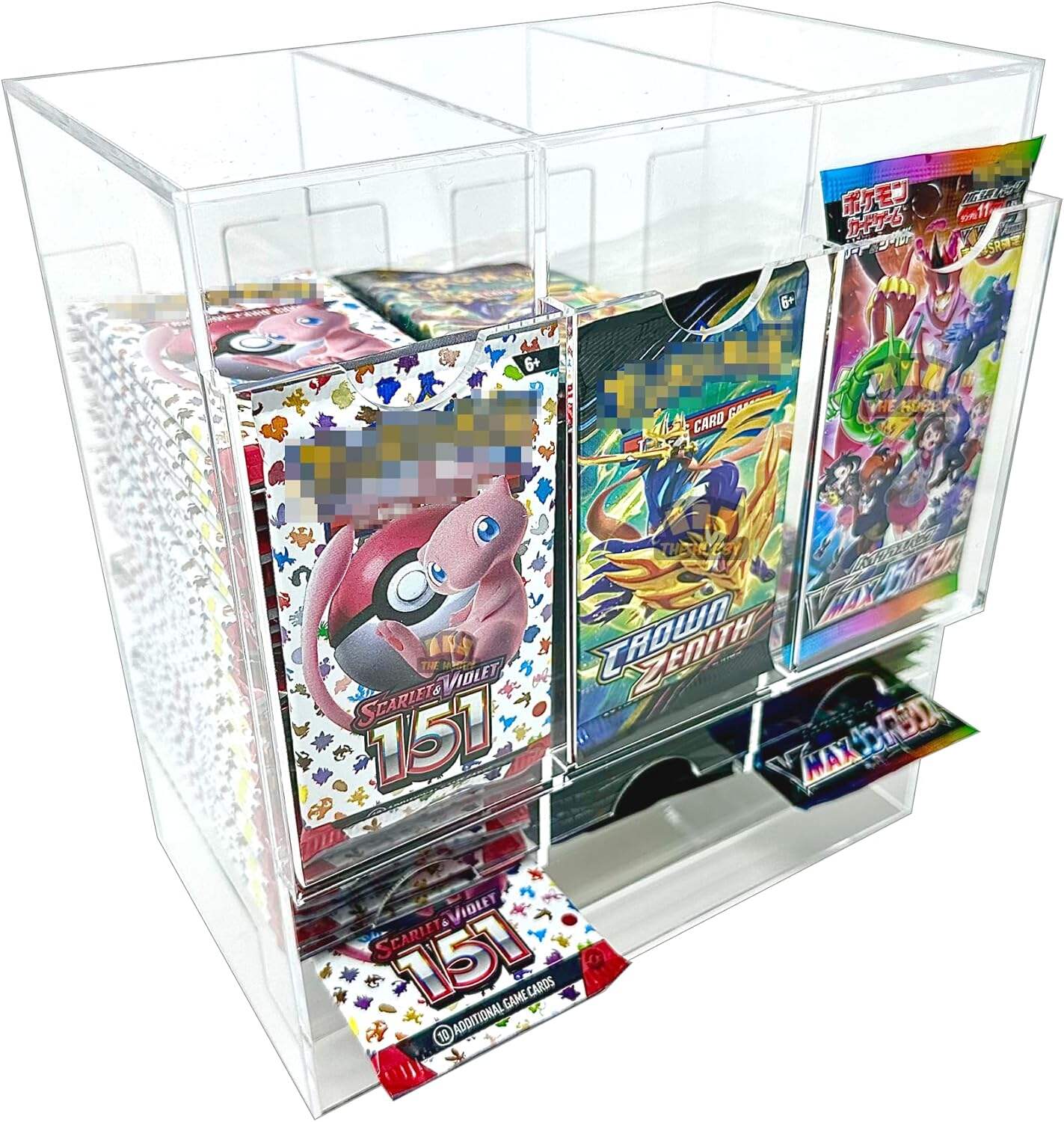
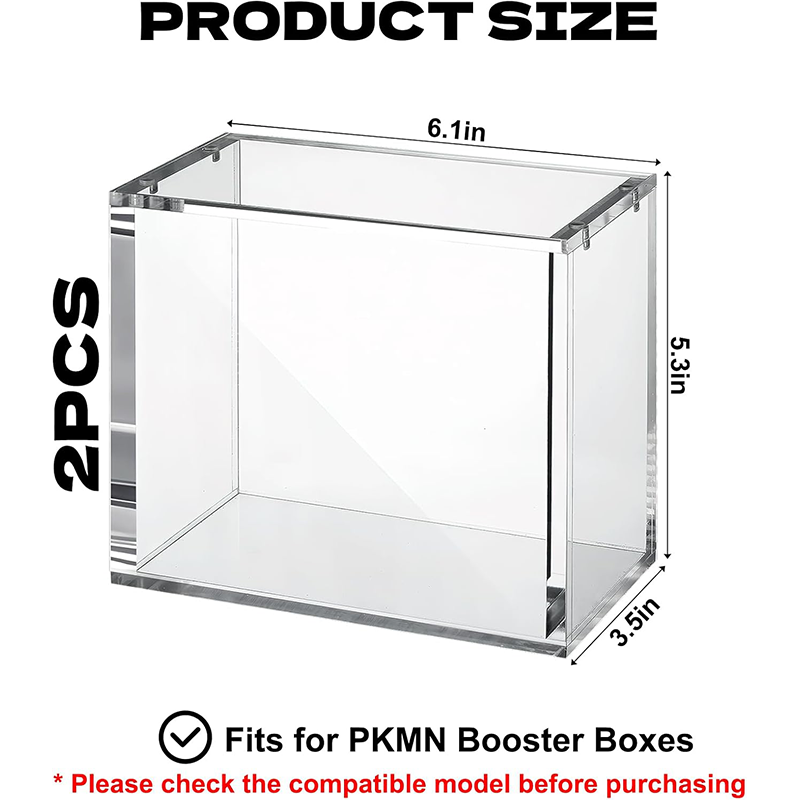
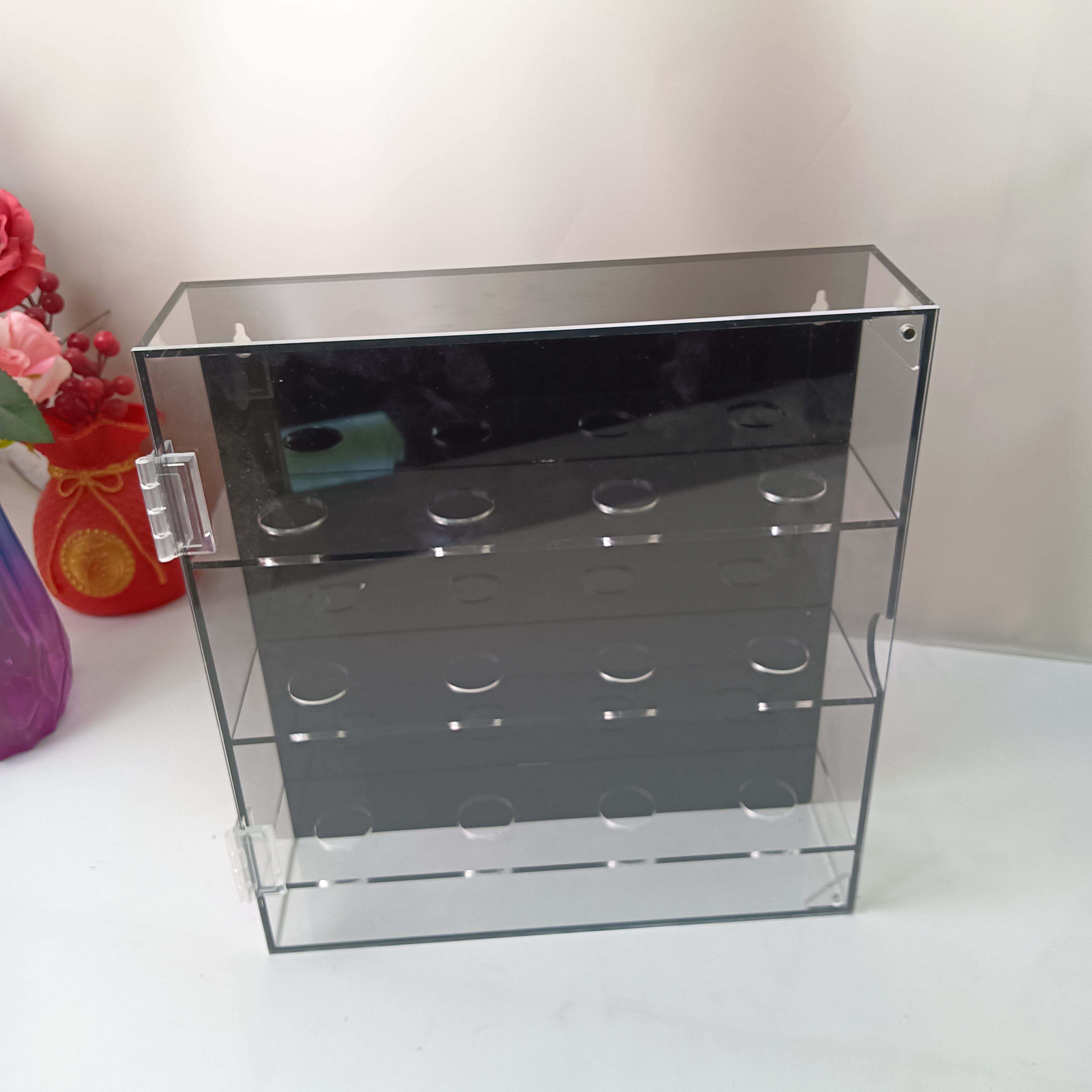
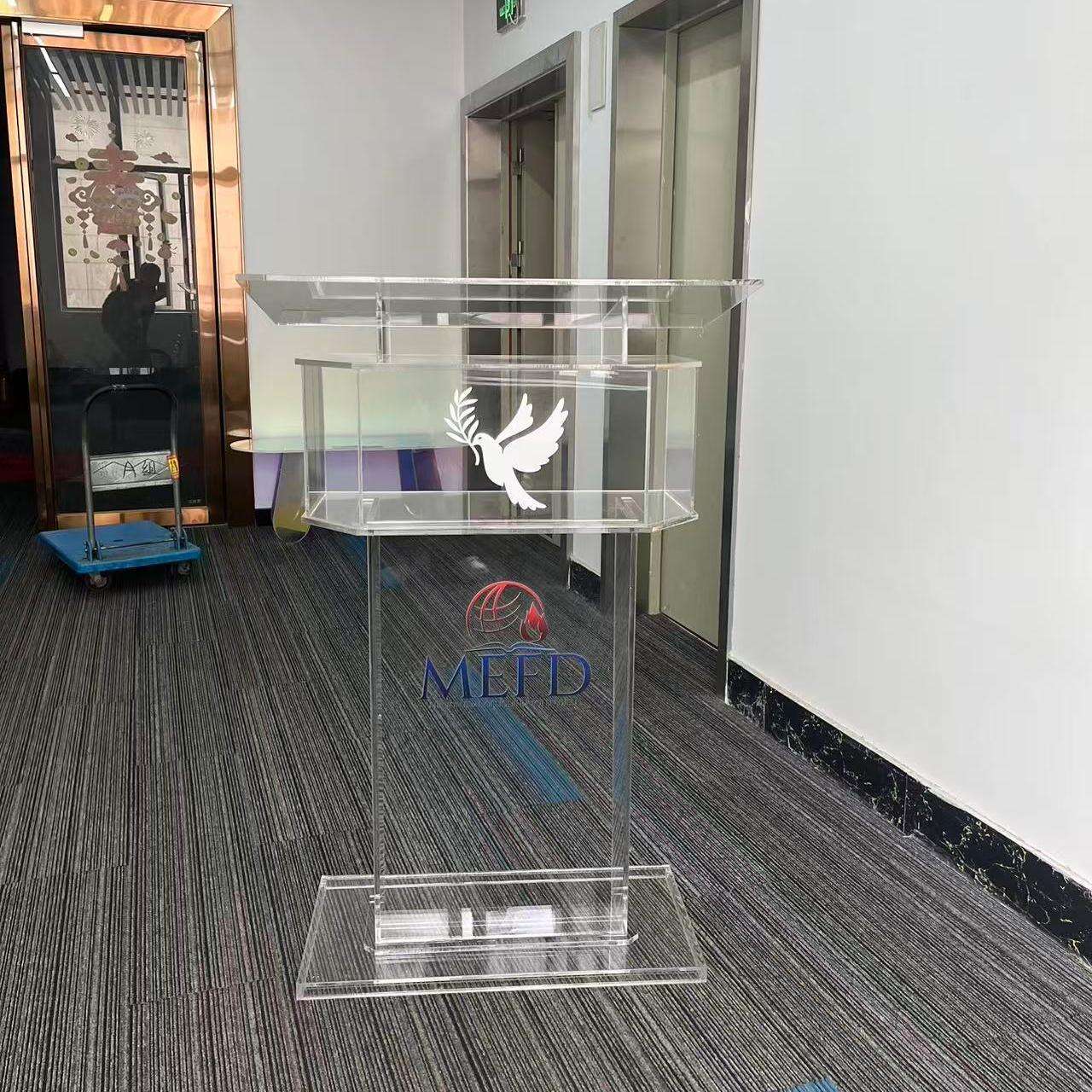
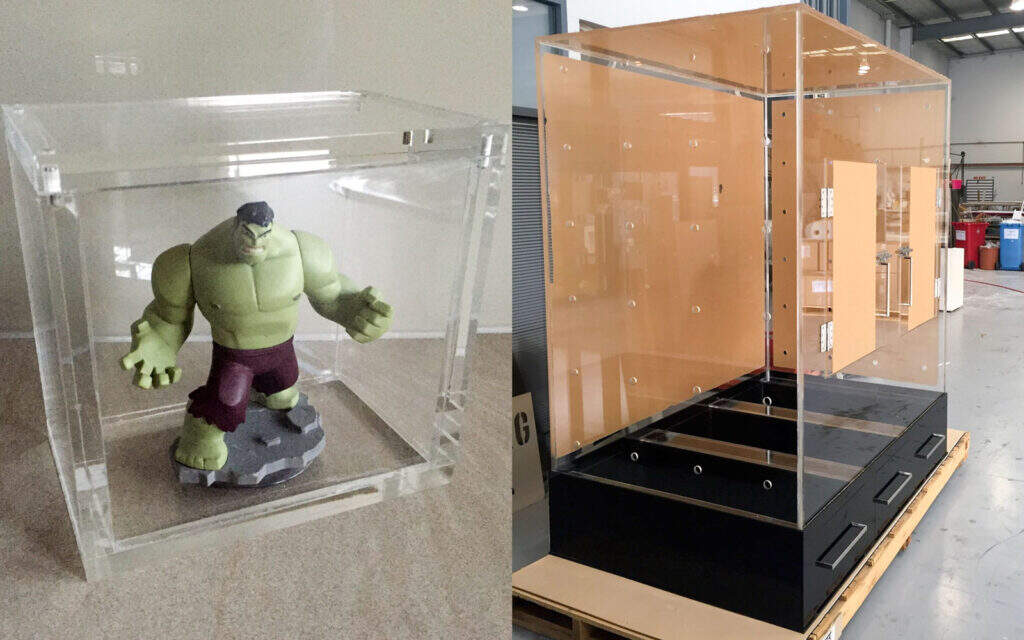
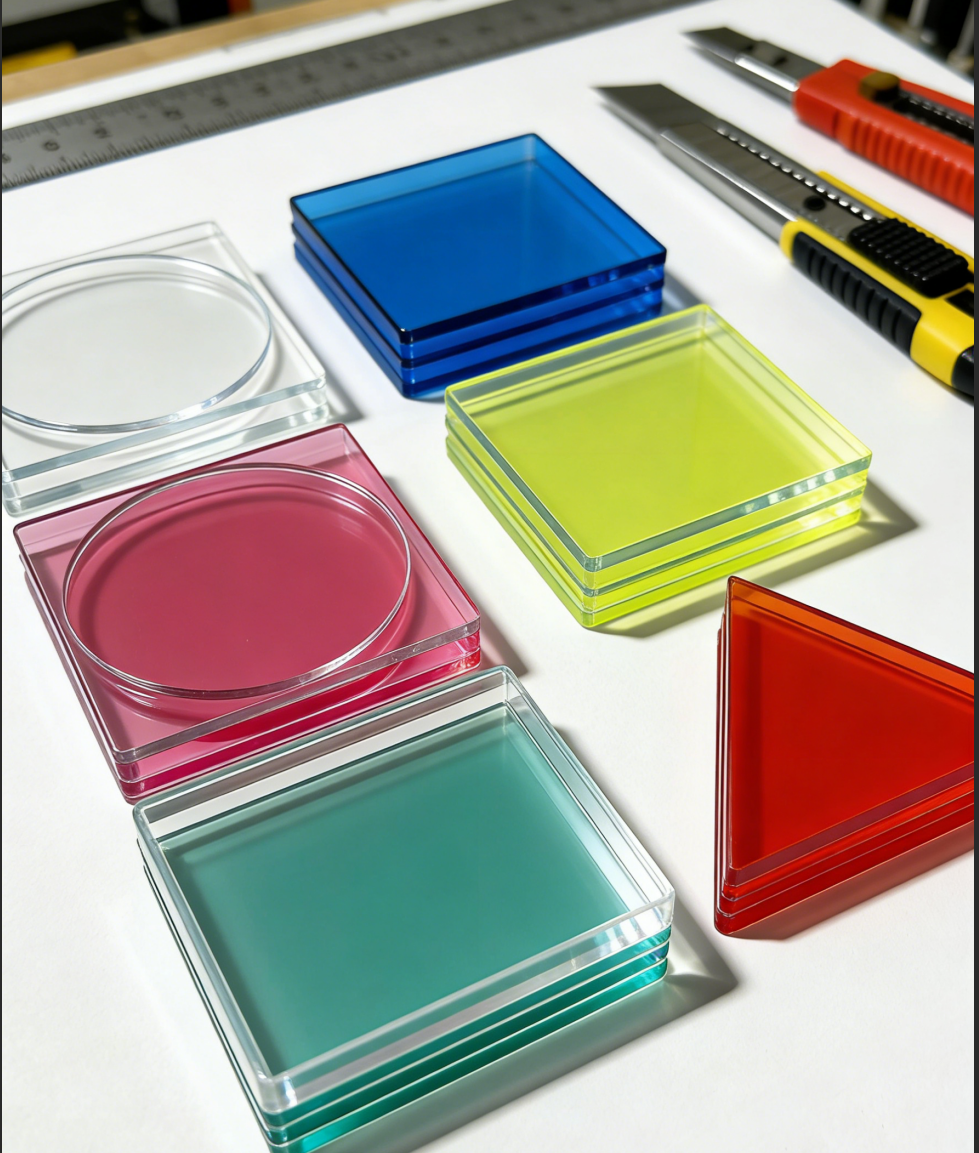
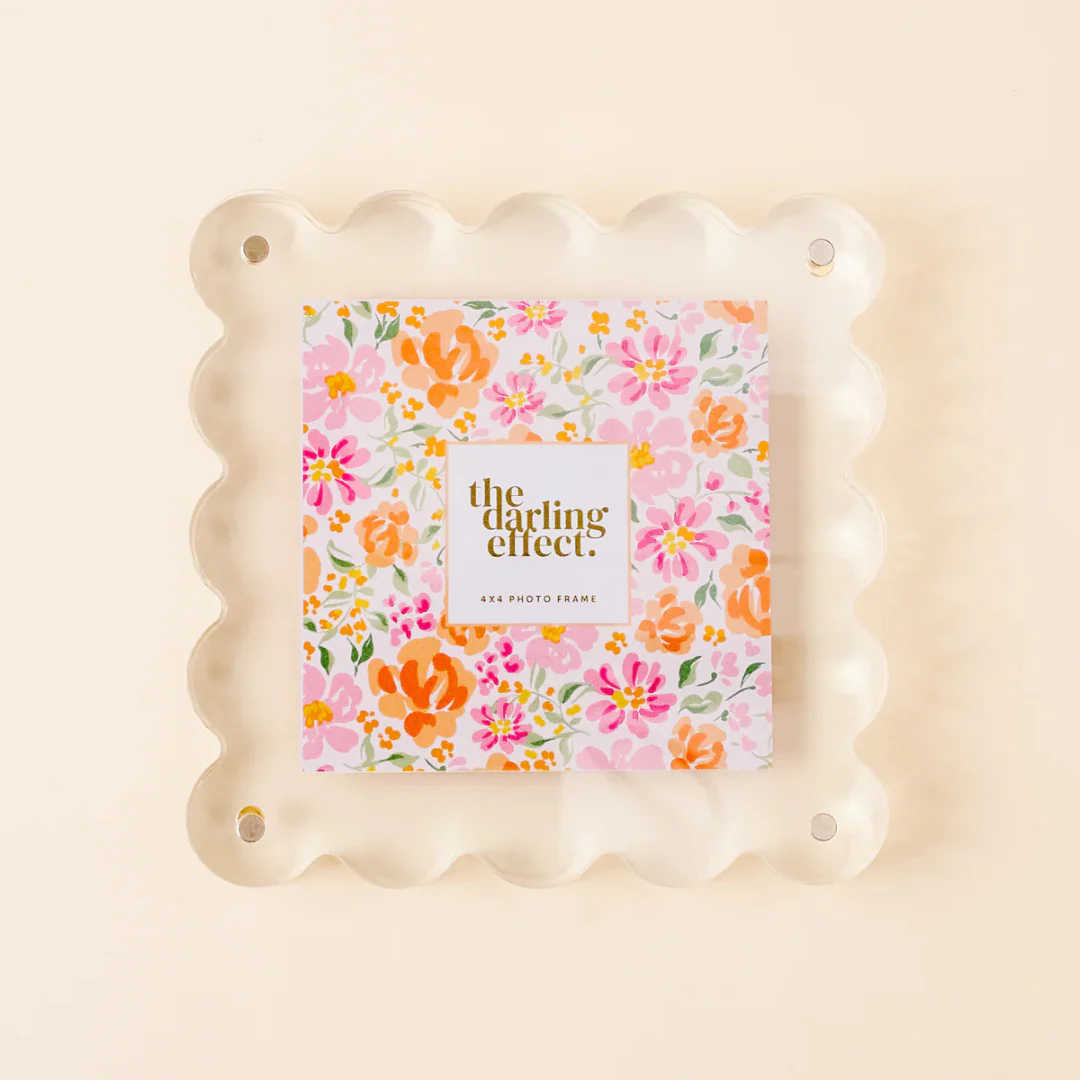
Acrylic board stands as one of the most versatile and innovative materials in modern manufacturing and design applications. This transparent thermoplastic material, also known as polymethyl methacrylate (PMMA), offers exceptional clarity that rivals glass while providing superior durability and workability. The acrylic board manufacturing process involves polymerization techniques that create a uniform, high-quality surface with outstanding optical properties. These boards maintain their transparency over time, resisting yellowing and degradation that commonly affects other plastic materials. The primary functions of acrylic board encompass protective barriers, decorative elements, signage solutions, and structural components across numerous industries. Its technological features include excellent light transmission rates exceeding 92 percent, making it ideal for applications requiring crystal-clear visibility. The material demonstrates remarkable impact resistance, being approximately ten times stronger than traditional glass while weighing roughly half as much. This combination of strength and lightweight properties makes acrylic board particularly valuable in transportation, architecture, and safety applications. The thermal properties of acrylic board allow it to withstand temperature variations while maintaining structural integrity. Processing capabilities include cutting, drilling, bending, and polishing, enabling manufacturers to create custom shapes and sizes for specific project requirements. Surface treatments can enhance scratch resistance and anti-glare properties, expanding the material's functionality. Applications span from retail displays and museum exhibits to medical equipment housings and aerospace components. The food industry utilizes acrylic board for hygienic food service equipment and display cases due to its non-porous surface that resists bacterial growth. Architectural applications include windows, skylights, and decorative panels that provide natural light transmission while offering weather resistance. The electronic industry relies on acrylic board for equipment housings, control panels, and protective covers that require electromagnetic transparency and durability.
 EN
EN