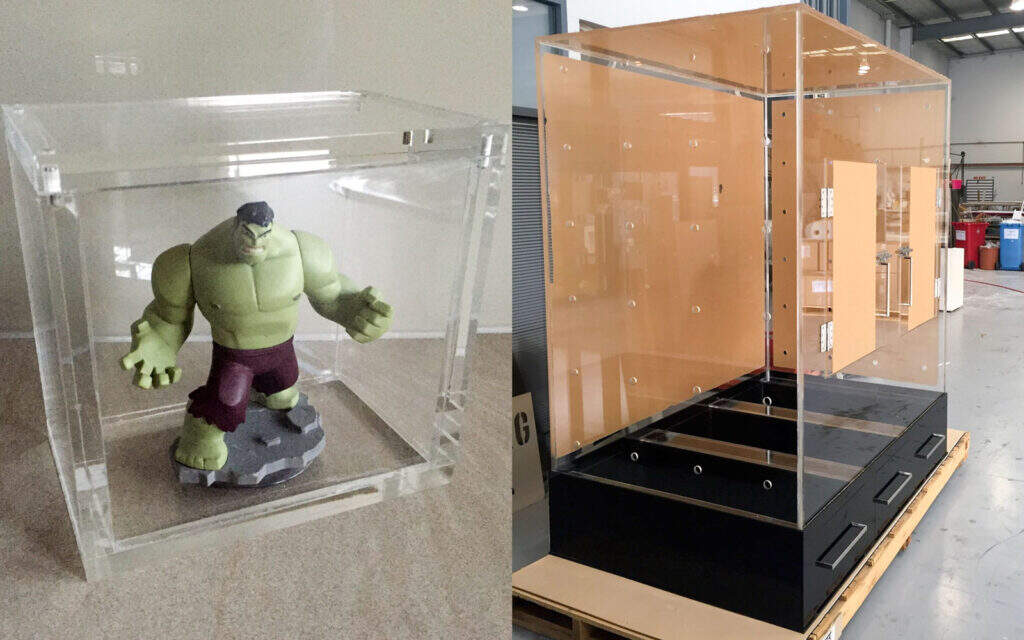
thick acrylic board
Thick acrylic board represents a revolutionary advancement in modern material technology, offering unparalleled versatility and performance across numerous applications. This specialized material consists of polymethyl methacrylate (PMMA) manufactured to exceptional thickness standards, typically ranging from 10mm to over 100mm, depending on specific project requirements. The thick acrylic board delivers remarkable optical clarity that rivals traditional glass while maintaining significantly lighter weight properties, making it an ideal choice for architectural, commercial, and industrial applications. Manufacturing processes involve advanced polymerization techniques that ensure consistent density throughout the material structure, creating boards with uniform strength distribution and minimal internal stress concentrations. The material exhibits exceptional weather resistance, maintaining its structural integrity and visual appeal even under prolonged exposure to ultraviolet radiation, temperature fluctuations, and environmental contaminants. Thick acrylic board demonstrates superior impact resistance compared to conventional glass alternatives, withstanding forces that would typically cause catastrophic failure in brittle materials. Its thermoplastic nature allows for precise machining, cutting, drilling, and forming operations using standard fabrication equipment, enabling custom shapes and configurations for specialized applications. The material's chemical resistance properties make it suitable for environments where exposure to cleaning agents, mild acids, and alkaline solutions occurs regularly. Thermal expansion characteristics remain predictable and manageable, allowing engineers to design installations that accommodate dimensional changes without compromising structural stability. Fire resistance ratings meet stringent safety standards, with controlled burning characteristics that prevent rapid flame spread in emergency situations. The thick acrylic board maintains excellent dimensional stability over extended periods, resisting warping, sagging, or deformation even in large panel installations. Surface treatments and coatings can be applied to enhance specific performance characteristics such as anti-reflection, anti-static, or scratch resistance properties. Quality control measures during production ensure consistent thickness tolerances, optical properties, and mechanical performance across all manufactured sheets, providing reliable specifications for engineering calculations and design implementations.
 EN
EN