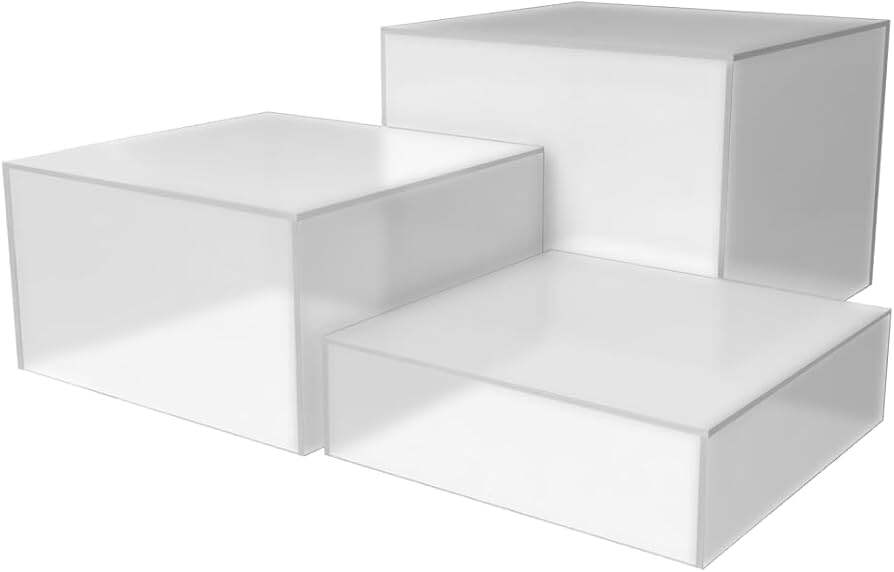
acrylic light box signage
Acrylic light box signage represents a cutting-edge display solution that combines transparent acrylic panels with advanced LED lighting technology to create stunning visual presentations. These illuminated signs utilize high-quality polymethyl methacrylate (PMMA) materials, commonly known as acrylic, which offers exceptional clarity and durability. The core functionality of acrylic light box signage centers on even light distribution through specially engineered diffusion techniques, ensuring consistent brightness across the entire display surface. Modern acrylic light box signage incorporates energy-efficient LED strips or panels positioned strategically within the frame structure, creating uniform illumination that enhances visibility during both day and night operations. The technological framework includes precision-cut acrylic sheets, weather-resistant housing materials, and programmable lighting controls that allow for customizable brightness levels and color temperatures. These systems feature modular construction designs that facilitate easy installation and maintenance procedures. The primary applications of acrylic light box signage span across retail environments, corporate offices, healthcare facilities, educational institutions, hospitality venues, and outdoor advertising locations. Retail businesses utilize these displays for storefront branding, product promotions, and wayfinding solutions that attract customer attention and drive foot traffic. Corporate environments implement acrylic light box signage for reception area branding, directional guidance, and professional presentation purposes. Healthcare facilities rely on these illuminated displays for patient navigation, department identification, and emergency information dissemination. The versatility of acrylic light box signage extends to menu displays in restaurants, exhibition graphics at trade shows, and architectural accent lighting in commercial spaces. Manufacturing processes involve computer-controlled cutting techniques, precision welding of frame components, and quality testing protocols that ensure consistent performance standards across different environmental conditions and usage scenarios.
 EN
EN