magazine display shelf
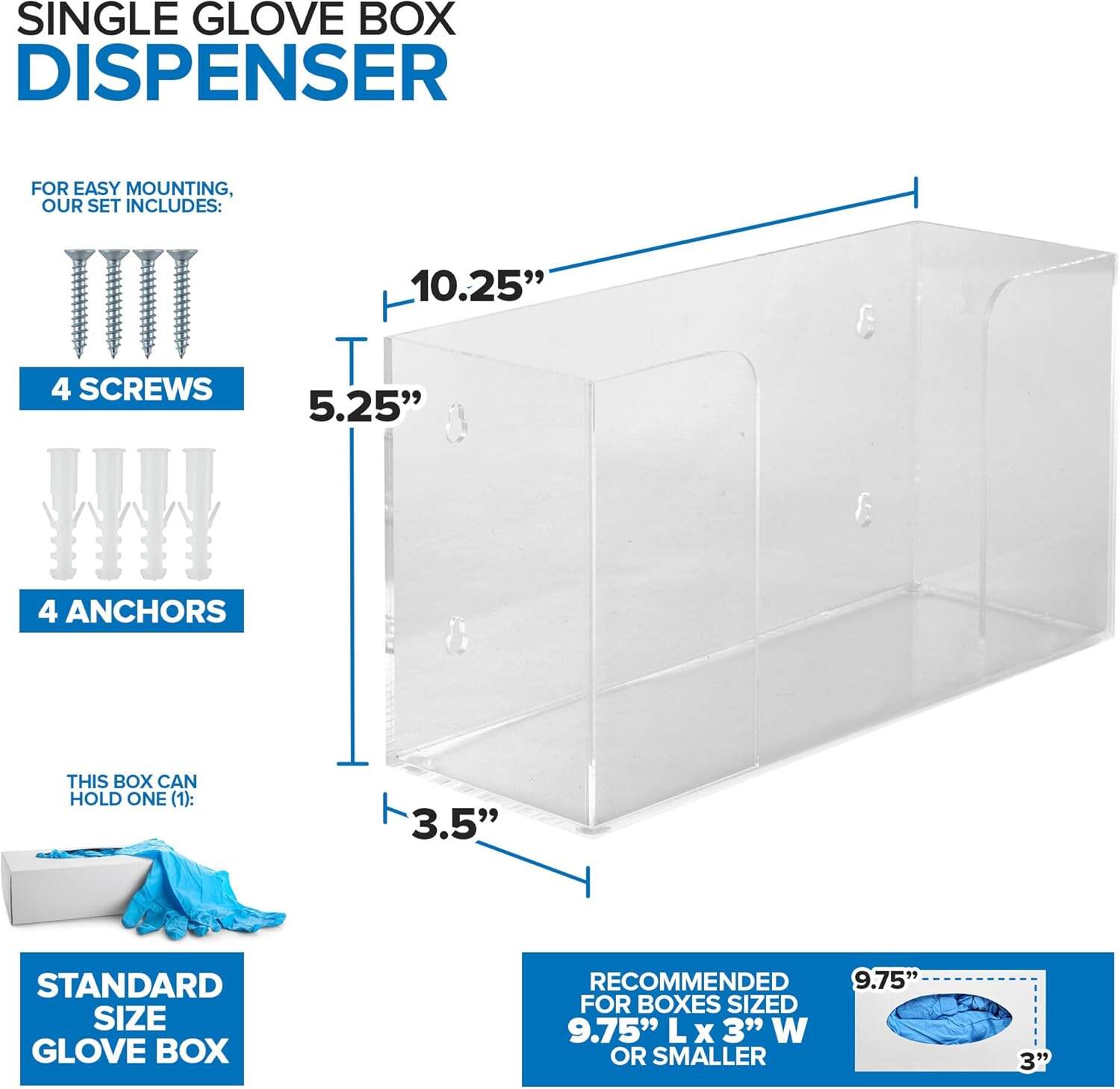
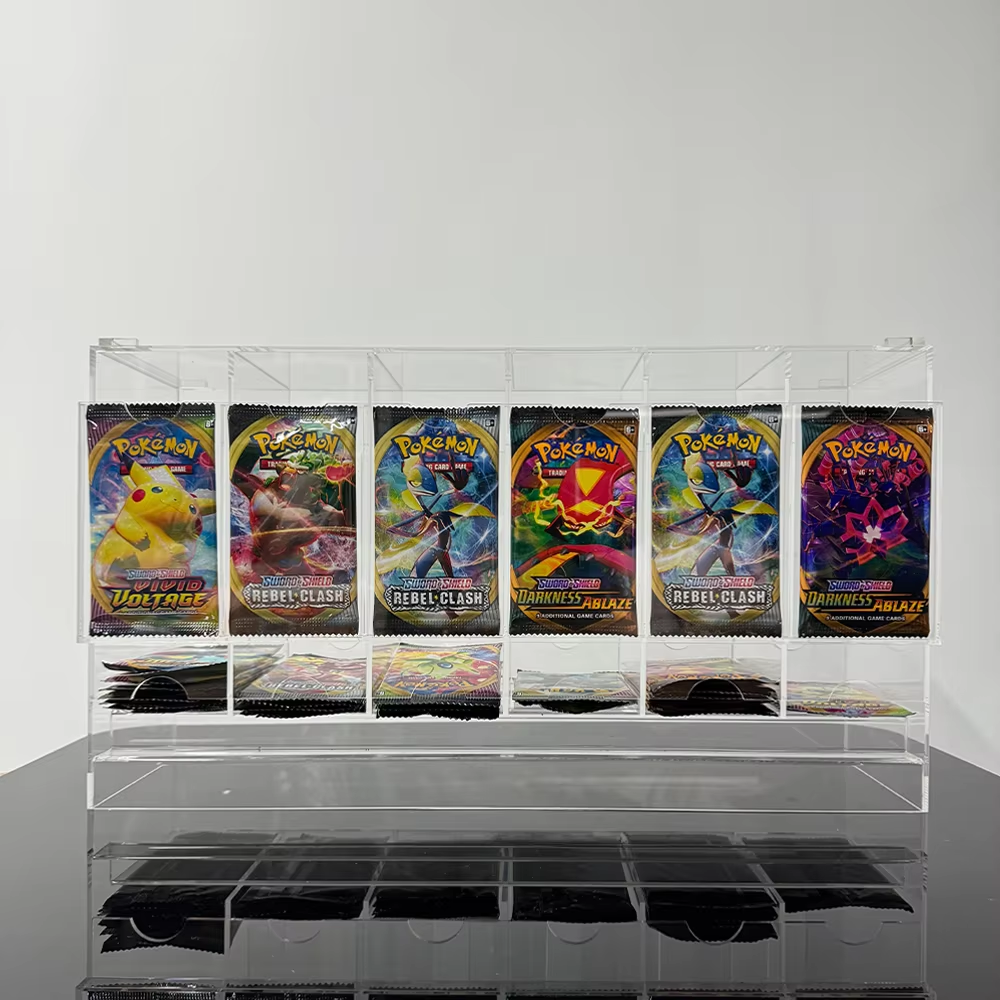
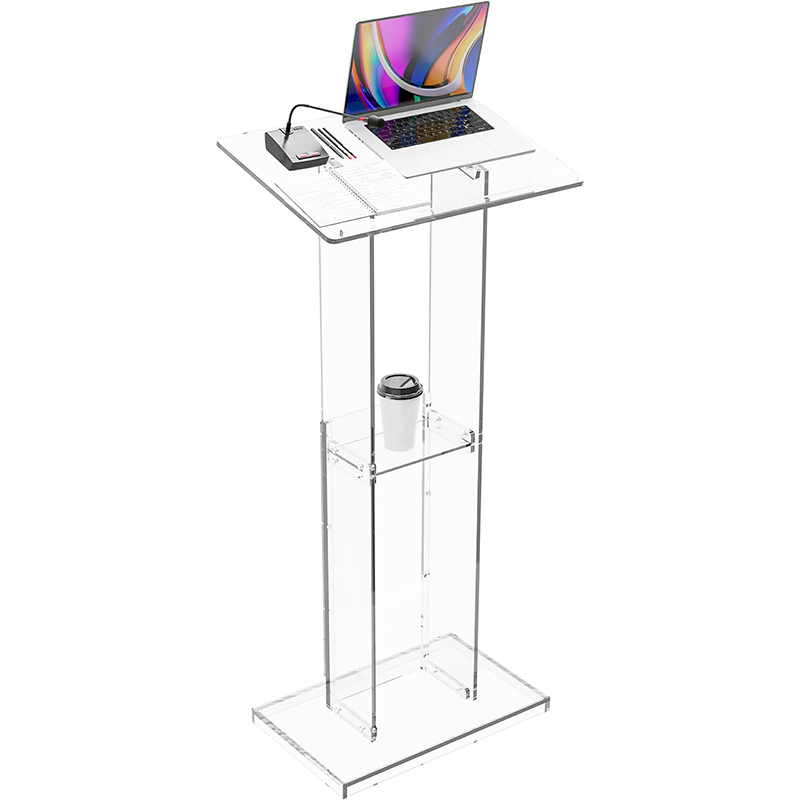
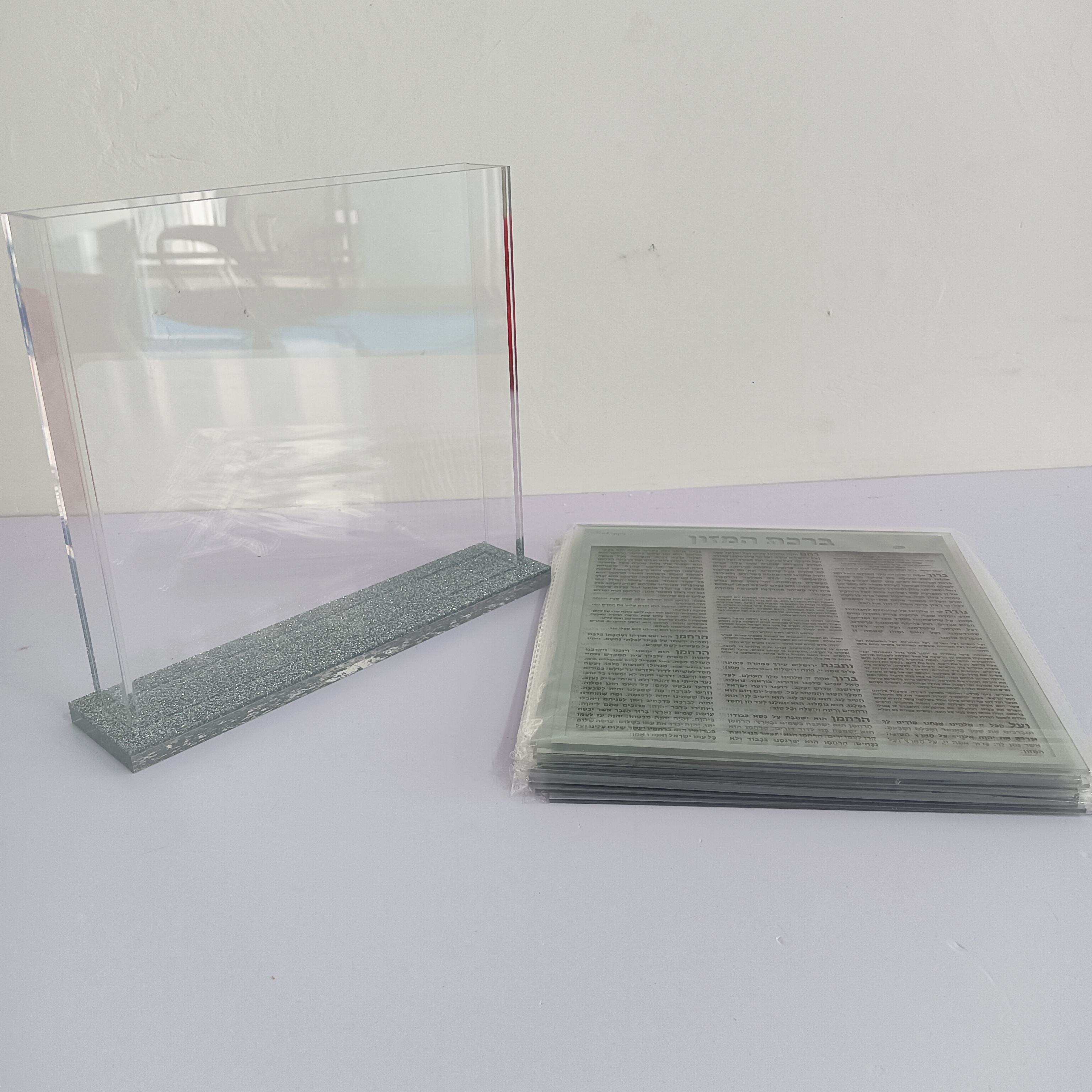
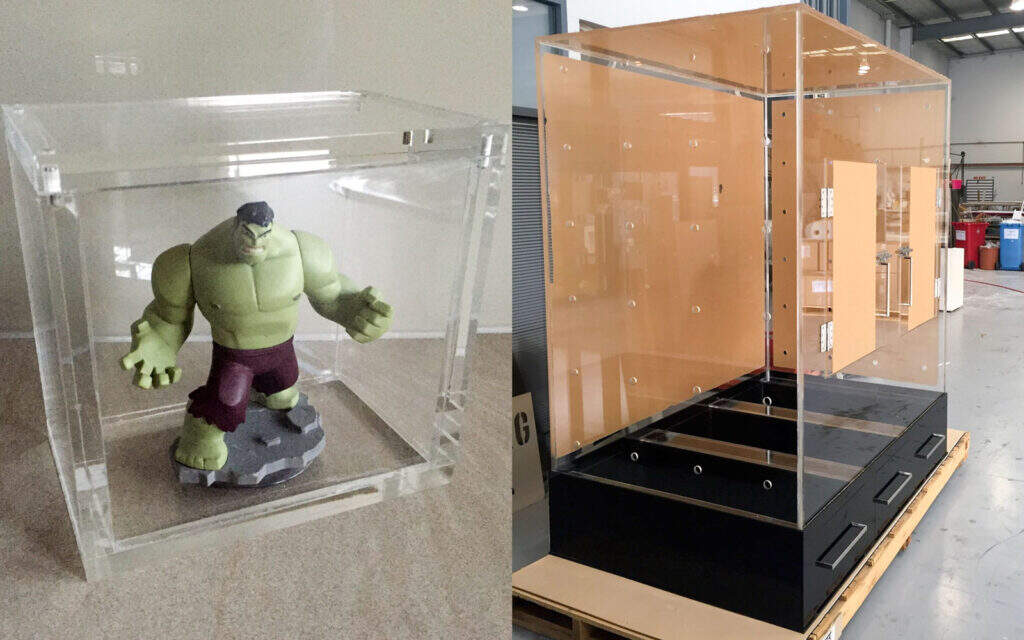
A magazine display shelf represents a sophisticated retail solution designed to showcase periodicals, brochures, and promotional materials in an organized and visually appealing manner. These versatile fixtures serve as essential components in bookstores, libraries, waiting rooms, retail environments, and professional offices where effective literature presentation matters. The magazine display shelf combines functional storage capabilities with attractive presentation features that enhance customer engagement and browsing experiences. Modern magazine display shelves incorporate advanced materials such as durable acrylic, powder-coated steel, and high-grade wood composites that ensure longevity while maintaining aesthetic appeal. The technological features include adjustable compartments that accommodate various publication sizes, from standard magazines to oversized catalogs and specialty publications. Many contemporary magazine display shelf units feature modular designs that allow for easy reconfiguration based on changing inventory needs and space requirements. The structural engineering focuses on weight distribution and stability, ensuring that fully loaded shelves maintain their integrity without sagging or tilting. Applications extend beyond traditional retail settings to include healthcare facilities, corporate lobbies, educational institutions, and hospitality venues where information dissemination plays a crucial role. The magazine display shelf often incorporates ergonomic considerations such as optimal viewing angles and accessible height positioning that facilitate comfortable browsing for users of different statures. Additional technological enhancements may include integrated lighting systems that illuminate publications for better visibility, weather-resistant coatings for outdoor applications, and mobile configurations with wheels or casters for flexible positioning. The versatility of magazine display shelf systems allows for wall-mounted, freestanding, or countertop installations depending on space constraints and usage patterns.
 EN
EN