 EN
EN

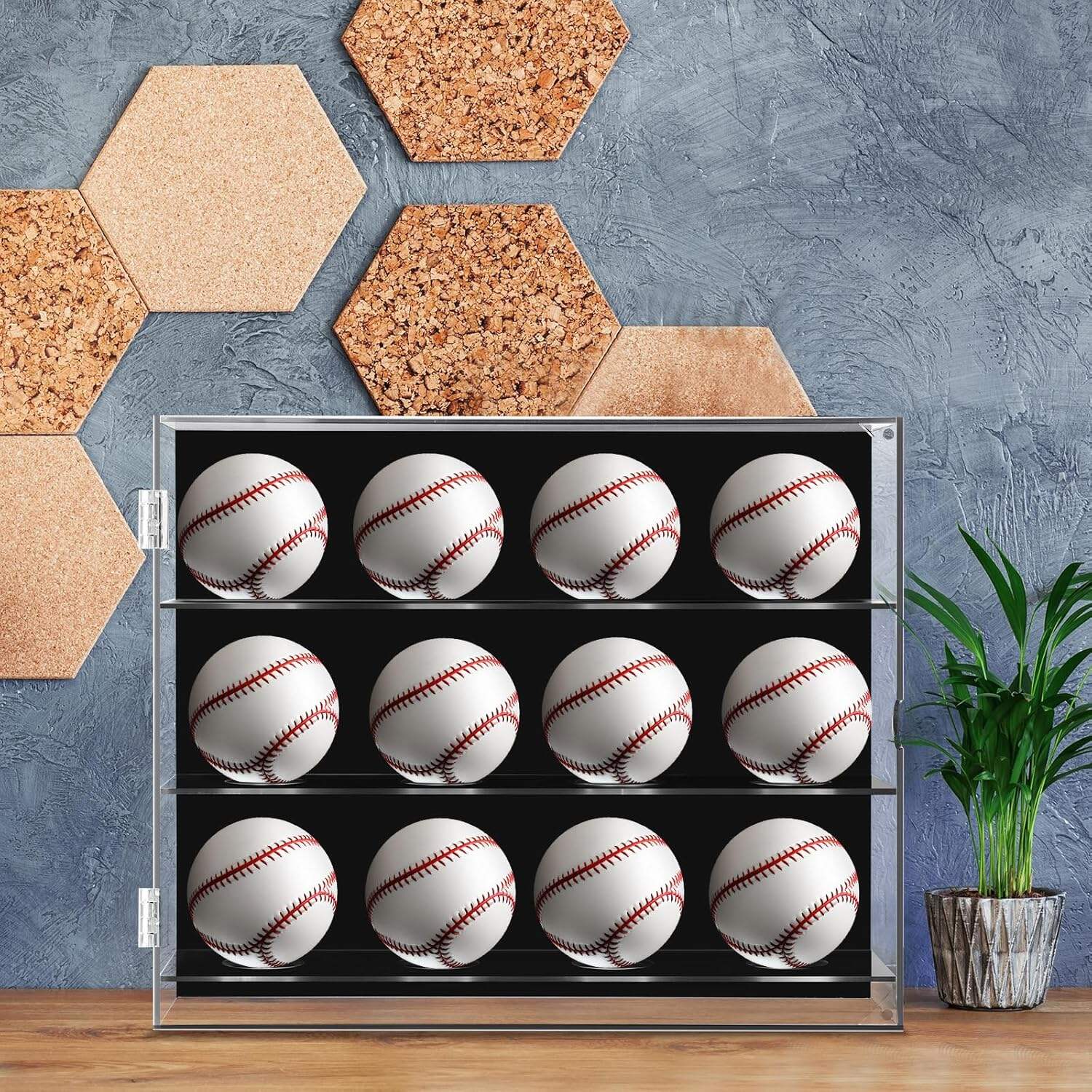
The transparent beauty and versatility of acrylic materials have made them increasingly popular across various industries and applications. When considering display solutions, architectural elements, or decorative components, understanding acrylic block pricing becomes essential for making informed purchasing decisions. This comprehensive guide explores the factors that influence costs, compares different types and qualities, and provides valuable insights for buyers seeking the best value in acrylic block products.
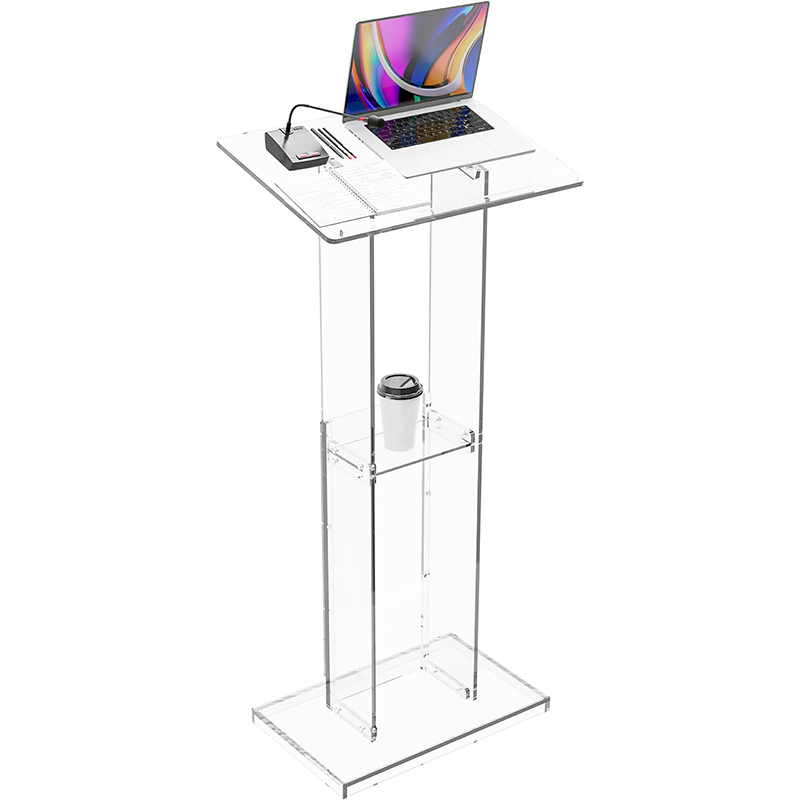
Market analysis reveals significant price variations in acrylic block products, ranging from budget-friendly options to premium solutions. These differences stem from manufacturing processes, material quality, size specifications, and intended applications. Whether you're sourcing for commercial displays, architectural projects, or specialized industrial uses, understanding these pricing dynamics helps optimize your investment while ensuring product performance meets your specific requirements.
Understanding Acrylic Block Material Quality
Cast Acrylic versus Extruded Acrylic
The manufacturing method significantly impacts both quality and pricing of acrylic block products. Cast acrylic represents the premium segment, created through a slower, more controlled process that results in superior optical clarity, better stress resistance, and enhanced durability. This manufacturing approach typically commands higher prices but delivers exceptional performance for demanding applications where clarity and longevity are paramount.
Extruded acrylic offers a more economical alternative while still maintaining good optical properties and structural integrity. The continuous manufacturing process allows for higher production volumes and reduced costs, making it suitable for applications where budget considerations outweigh the need for absolute premium quality. Understanding these distinctions helps buyers align their requirements with appropriate material choices and associated costs.
Thickness Impact on Pricing
Material thickness represents one of the most significant factors affecting acrylic block pricing. Standard thicknesses range from thin sheets suitable for lightweight applications to substantial blocks designed for heavy-duty structural uses. The relationship between thickness and cost is not linear, as thicker materials require more raw materials, extended processing times, and specialized handling procedures during manufacturing.
Premium thickness options often command disproportionately higher prices due to manufacturing complexity and reduced production efficiency. Applications requiring substantial acrylic block thickness typically involve architectural elements, heavy-duty displays, or specialized industrial components where structural integrity and visual impact justify the increased investment in superior materials.
Size and Dimension Considerations
Standard versus Custom Dimensions
Standard size acrylic block products benefit from economies of scale in manufacturing and inventory management, resulting in more competitive pricing for buyers. Common dimensions reflect widespread market demand and allow manufacturers to optimize production runs, reducing per-unit costs. These standardized options work well for many applications and offer the additional advantage of immediate availability and reduced lead times.
Custom dimensions introduce additional complexity and cost factors into acrylic block pricing. Specialized sizing often requires modified tooling, adjusted manufacturing processes, and smaller production runs that increase per-unit costs. However, custom dimensions may prove more economical when they eliminate waste material or reduce secondary processing requirements in the final application.
Large Format Pricing Dynamics
Large format acrylic block products face unique pricing challenges due to manufacturing limitations, handling requirements, and shipping considerations. As dimensions increase, manufacturing yields typically decrease while quality control becomes more critical, contributing to higher per-square-foot pricing. These factors become particularly relevant for architectural applications or large-scale display installations.
Transportation and handling costs also escalate with larger acrylic block sizes due to specialized packaging requirements, dimensional shipping surcharges, and increased breakage risks. Buyers should factor these additional costs into their total project budgets when evaluating large format options versus alternative approaches such as joining smaller sections.
Surface Finish and Processing Options
Polished versus Textured Surfaces
Surface finish quality significantly influences acrylic block pricing due to varying levels of processing complexity and time investment required. Polished surfaces demand extensive finishing work including multiple sanding stages, polishing compounds, and quality control inspections to achieve optical clarity. This labor-intensive process contributes substantially to final product costs but delivers superior visual performance.
Textured or frosted finishes may require less processing time but often involve specialized techniques or additional materials that can impact pricing. The complexity of achieving consistent texture patterns across large surfaces or maintaining precise specifications for functional requirements influences the overall cost structure for these specialized finishes.
Edge Finishing and Fabrication
Edge finishing represents a critical aspect of acrylic block quality and pricing, as properly finished edges enhance both appearance and functionality. Standard straight cuts may suffice for some applications, while others require polished edges, beveled profiles, or specialized shapes that increase processing time and skill requirements. These enhanced edge treatments add value but also increase costs proportionally to their complexity.
Advanced fabrication techniques such as flame polishing, diamond turning, or CNC machining enable precise edge profiles but require specialized equipment and skilled operators. The choice of edge finishing method should balance aesthetic requirements, functional needs, and budget constraints while considering the intended application and visibility of the finished edges.
Market Factors Affecting Acrylic Block Prices
Raw Material Cost Fluctuations
Petroleum-based raw materials form the foundation of acrylic production, making acrylic block pricing sensitive to global oil market fluctuations. These commodity price variations can significantly impact manufacturing costs and subsequently influence final product pricing. Understanding these market dynamics helps buyers anticipate potential price changes and plan procurement timing accordingly.
Supply chain disruptions, whether from natural disasters, geopolitical events, or pandemic-related impacts, can create temporary shortages or excess inventory situations that affect pricing. Long-term contracts or bulk purchasing agreements may provide some protection against short-term market volatility while offering volume-based pricing advantages.
Regional Manufacturing and Transportation
Geographic factors play important roles in acrylic block pricing due to manufacturing concentration, transportation distances, and regional cost structures. Proximity to manufacturing facilities can significantly reduce shipping costs, especially for heavy or bulky acrylic block products. Regional labor costs, environmental regulations, and energy prices also influence the competitiveness of different supply sources.
International sourcing options may offer cost advantages but introduce additional considerations such as import duties, currency exchange fluctuations, longer lead times, and potential quality control challenges. Balancing these factors requires careful analysis of total landed costs rather than focusing solely on initial purchase prices.
Application-Specific Pricing Considerations
Architectural and Construction Applications
Architectural applications often demand high-quality acrylic block products with superior weather resistance, UV stability, and structural performance. These enhanced specifications typically command premium pricing due to specialized additives, rigorous testing requirements, and compliance with building codes. The long-term performance expectations in architectural applications justify higher initial investments in premium materials.
Building code compliance may require specific certifications or testing documentation that adds to product costs but ensures safety and performance standards. Fire ratings, structural load capabilities, and environmental performance specifications influence both material selection and associated pricing for architectural acrylic block applications.
Display and Retail Applications
Retail display applications prioritize optical clarity, surface quality, and aesthetic appeal over structural performance requirements. This focus allows for optimization of material specifications and processing methods to achieve desired visual results while managing costs effectively. Standard thickness options and simplified edge treatments often suffice for display applications.
Volume requirements for retail applications may enable bulk purchasing advantages and standardized specifications that reduce per-unit costs. The relatively shorter lifespan expectations for many display applications also allow consideration of more economical material options without compromising performance requirements.
Cost-Effective Purchasing Strategies
Volume Purchasing Benefits
Strategic volume purchasing can significantly reduce acrylic block costs through manufacturer quantity discounts and improved production efficiency. Larger orders enable manufacturers to optimize production runs, reduce setup costs, and pass savings along to buyers. Planning projects to consolidate requirements and timing purchases to take advantage of volume breaks provides substantial cost benefits.
Group purchasing arrangements with other buyers or timing purchases to coincide with manufacturer production schedules can create additional opportunities for cost savings. Understanding manufacturer minimum order quantities and production cycles helps optimize purchasing strategies while ensuring adequate inventory levels for project requirements.
Specification Optimization
Careful specification review can identify opportunities to reduce costs without compromising performance requirements. Evaluating whether premium features are truly necessary for the intended application may reveal opportunities to select more economical alternatives. Standardizing dimensions, finishes, and processing requirements across multiple projects can also generate cost efficiencies.
Working closely with suppliers to understand their capabilities and constraints often reveals alternative approaches that maintain performance while reducing costs. Flexibility in delivery schedules, packaging requirements, and specification tolerances can create additional opportunities for cost optimization.
FAQ
What factors most significantly impact acrylic block pricing
Material quality, thickness, size, surface finish, and manufacturing method represent the primary factors influencing acrylic block pricing. Cast acrylic commands premium prices over extruded alternatives, while custom dimensions and specialized finishes increase costs compared to standard options. Market factors such as raw material costs and transportation also play important roles in final pricing.
How do I compare prices effectively between different suppliers
Effective price comparison requires evaluation of total landed costs including shipping, handling, and any additional services rather than focusing solely on base material prices. Consider quality specifications, lead times, minimum order quantities, and supplier reliability when comparing options. Request detailed quotations that specify all terms and conditions to ensure accurate comparisons.
Are there seasonal price variations for acrylic block products
Seasonal variations in acrylic block pricing typically reflect changes in construction activity, raw material costs, and manufacturing capacity utilization. Peak construction seasons may create higher demand and associated price premiums, while slower periods might offer opportunities for negotiated pricing. Planning purchases during off-peak periods can sometimes yield cost advantages.
What quality certifications should I look for when purchasing acrylic blocks
Quality certifications vary by intended application but commonly include ISO manufacturing standards, ASTM material specifications, and application-specific certifications such as building code compliance for architectural uses. UV resistance ratings, optical clarity specifications, and dimensional tolerance certifications help ensure product quality meets project requirements. Always verify that certifications align with your specific application needs.