 EN
EN
כאשר דיוק ושקיפות הם קריטיים ביישומים תעשייתיים ומסחריים, תהליך הייצור של לוקסיט אקריליק הופך לאחד הגורמים החשובים ביותר בקביעת איכות המוצר הסופי. ממעמדות תצוגה ולוחות חיצוניים ועד פודיוםים ופאנלים אדריכליים, השקיפות של אקריליק לוקייט איננו מקרית — זו תוצאה ישירה של טכניקות ייצור מבוקרות בקפידה, שהושמו בכל שלב של התהליך. הבנת התהליכים הללו עוזרת לקונים, לאדריכלים ולמומחי רכש לקבל החלטות מושכלות יותר לגבי החומרים שהם מציינים.
המונח אקריליק לוקייט מתייחס לחומר ממוסך או ממוסך ממתקרילט פולימטיל (PMMA) בעל רמה גבוהה הידוע על שקולו האופטי, עמידותו והתנגדותו להתפוררות UV. בניגוד לפלסטיק הרגיל, אקריליק לוקייט משמר את השקיפות שלו לאורך תקופות ארוכות ללא הצהבהב, מה שהופך אותו לבחירה מועדפת ליישומים פרמיומים. עם זאת, השגת עקביות כזו דורשת שליטה מוחלטת על מספר שלבים ייצור קשורים זה בזה, שכל אחד מהם תורם באופן ישיר לביצוע האופטי הסופי של החומר.
בחירת חומר גלם ותפקידו בשקיפות אופטית
תקנים של ניקיון הפולימר בייצור אקריליק לוקייט
הבסיס לשקיפות אופטית בכל אקריליק לוקייט המוצר מתחיל בשלב החומר הגלמי. יצרנים שמקבלים רזין PMMA חייבים לשים דגש על חומרים שמתאימים לסטנדרטים קפדניים של טהרה, מאחר שזוהמות בשרשרת הפולימר מתורגמים ישירות לעיוותים אופטיים, עננות או פגמים מיקרוסקופיים פנימיים בגוש או בגושית הסופי. PMMA לתעשייה עם משקל מולקולרי גבוה ורמות זיהום נמוכות הוא חיוני לייצור אקריליק לוקייט עם ערכי העברת האור שדרישות היישומים המובילים דורשות.
יצרנים מהימנים של אקריליק לוקייט לבצע בדיקות קפדניות של חומר נכנס, לאמת את עקביות מדד השבר ולבחון רטיבות של לח או תרכובות נעות שיכולות ליצור בועות במהלך שלב ההסקה או החץ. אפילו סטייה קטנה בהרכב הכימי של הקש יכולה להוביל לערפל או לחוסר תקינות על פני השטח, אשר מתרחבת כאשר אור עובר דרך חלקים עבים יותר של המוצר המוגמר. לכן, בקרת איכות החומרי החומרי אינו רק שלב מקדים, אלא גורם מכריע לתוצאה של כל הייצור.
כאשר משווים אקריליק לוקייט דרגות, ערך העברת האור האופטי — שמתבטא בדרך כלל באחוז מהאור הנראה שעובר דרך עובי נתון — הוא אחד המצביעים הבהירים ביותר על איכות החומר הגלמי. מובילה אקריליק לוקייט מגיעה באופן עקבי ל-92% או יותר של העברת אור, סף שבא לידי ביטוי רק כאשר מתחילים עם קליעי פולימר טהורים במיוחד.
ניהול תוספים ויציבות מול קרינה فوق סגולה
מעבר לטהרה של הפולימר הבסיסי, התוספים שמעורבים בתוך אקריליק לוקייט הרכבות מגלות תפקיד חשוב בשימור בהירות לטווח ארוך. מאיצי УВ, חומרים משפרים את התנגדות הפגיעה, וסוכני טיפול במשטח חייבים להיות מאוזנים בזהירות — כמות גדולה מדי של כל תוספת עלולה לגרום לצבעיות עדינה, ערפל על המשטח או דפוסי מתח פנימיים שפוגעים בביצוע האופטי. מהנדסי רכבות מנוסים משתמשים ביחסים מדויקים של תוספות כדי לשפר את העמידות ללא פגיעה בнейטרליות האופטית שמהווה את הסיבה לכך ש אקריליק לוקייט כזה רב-תכליתי.
הכללת סוכני ספיגת קרינה אולטרה סגולה היא חשובה במיוחד עבור אקריליק לוקייט מוצרים המיועדים לסביבות חיצוניות או לסביבות עם תאורה חזקה. תוספות אלו מונעות את הפירוק הפוטוכימי של שרשרת הפולימר, ומשמרות את המראה החסר צבע של החומר לאורך תקופות חשיפה ממושכות. עם זאת, חלון העיבוד להוספת סוכני יציבות נגד קרינה אולטרה סגולה חייב להיות מבוקר בזהירות כדי למנוע הבדלים מקומיים בריכוזים שיתבטאו כתוויות או בהבהוב לא אחיד של בהירות במוצר הסופי.
יציקה לעומת דחיסה: כיצד התהליך משפיע על הבהירות
תהליך הזריקה והיתרונות האופטיים שלו
שתי שיטות הייצור הדומיננטיות לייצור אקריליק לוקייט חומר גלי (גילי) — זריקה ודריסה — מייצרות כל אחת מהן מוצר בעל מאפיינים אופטיים ומיכניים ייחודיים. חומר גלי מוזרק אקריליק לוקייט מיוצר על ידי פולימריזציה של מונומר נוזלי בין שתי לוחות זכוכית, תהליך המאפשר לשרשראות הפולימר להתפתח באופן מלא ומשתנה יותר, מה שמוביל למשקל מולקולרי גבוה יותר ולבהירות אופטית מעולה. הסביבה לאישור האיטי והמבוקר ממזערת מתח פנימי, אשר מהווה סיבה נפוצה לבירפרינגנציה או לעיוות דמוי קשת בעין הניתן לראותו תחת אור מקוטב.
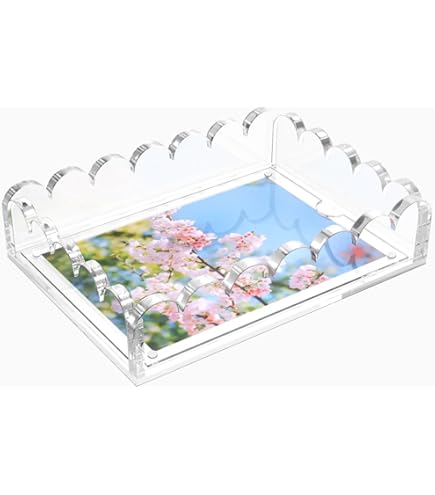
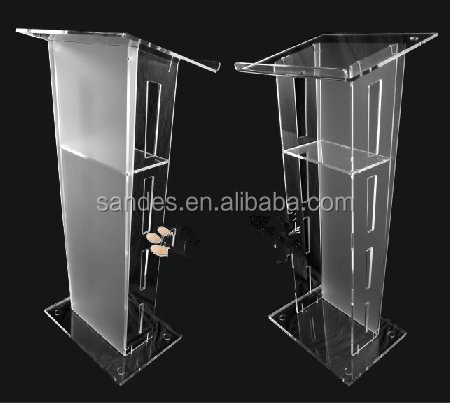
מודל גלוי אקריליק לוקייט לוחות נמצאים בדרישה רבה ליישומים שבהם איכות אופטית היא קריטית, כגון תיבות תצוגה, מיניות, פודיוםים וזכוכית ארכיטקטונית. התהליך מאפשר לייצרנים לייצר טווח רחב יותר של עוביים עם בהירות אחידה בכל שטח הפנים, מה שהופך אותו מתאים ללוחות בפורמט גדול, שבהם כל סטייה בהโปรתיות תהיה מורגשת מיד. אקריליק לוקייט משמש בפריטי רהיטים מסחריים, קחו בחשבון מוצרים כמו אקריליק לוקייט מינית זו, שבה על האיכות האופטית ועל החוזק המבני להתאגד בחלקה הבודד שנוצר.
תהליך הזריקה מאפשר גם סיבוב צרים יותר של עוביים בהשוואה ליציקת דחיסה, מה שחשוב מאוד כאשר שטיחות אופטית היא דרישה טכנית. כל סטייה בעובי לאורך פני הלוח יוצרת אפקט עדשה המעוות עצמים הנראים דרך החומר או המוחזרים ממנו, דבר שאינו מתקבל על הדעת ביישומים מתקדמים של תצוגה והצגה. אקריליק לוקייט לוח
החלקה ותהליכי היישום המנוהלים שלה בהבהירות
מחוץ אקריליק לוקייט מיוצר על ידי התכה של פלטת PMMA ודחיפה של החומר המותך דרך מטריצה ליצירת לוחות, מוטות או צינורות. אף על פי שהתהליך מהיר ויעיל יותר מבחינה עלותית מאשר יציקה, הוא מכניס לחומר מתח פנימי גדול יותר וכתוצאה מכך בדרך כלל משקל מולקולרי נמוך יותר, שעשוי להשפיע על ההבהירות ארוכת הטווח ועל התנגדות הממסים. עם זאת, טכנולוגיית ההחלקה המודרנית התקדמה במידה רבה, וקווי החלקה מבוקרים היטב יכולים לייצר אקריליק לוקייט עם ביצוע אופטי מאוד מקובל עבור יישומים רבים.
המפתח לשמירה על ההבהירות בחומרים מוחלקים אקריליק לוקייט שוכן בשליטה מדויקת בטמפרטורה לאורך כל המטריצה ואזורים הקירור. תנודות בטמפרטורת החומר המותך יוצרים סימני זרימה, קווי עקמומיות פנימיים או גליות על פני השטח — כולם פוגעים בביצוע האופטי. יצרנים המשתמשים במתקני החלקה מדויקים במיוחד עם מערכות ניטור טמפרטורה אוטומטיות יכולים לייצר חומרים מוחלפים אקריליק לוקייט ששווה בחשיבותו לחומר יצוק עבור קטעים דקיקים יותר, אף על פי שיצוק נותר המדריך הניתן למדידה לקטעים עבים יותר הדורשים את סטנדרטי הבהירות הגבוהים ביותר.
טכניקות גימור שטח שמשמרות ומשפרות בהירות
שיטות מילוט לשטחים באיכות אופטית
אפילו כאשר אקריליק לוקייט מיוצר מחומרים גולמיים מהאיכות הגבוהה ביותר תוך שימוש בתנאי עיבוד אופטימליים, שלב גימור השטח יכול לקבוע או להרוס את הביצוע האופטי הסופי. קצוות מומלטים באלם יהלום ושטחים מומלטים באש הם שתי הטכניקות היעילות ביותר המשמשות כדי להשיג את בהירות הקצה המאפיינת ייצור ברמה גבוהה אקריליק לוקייט של חומרים. מילוט באלם יהלום משתמש בכלי גריסה עדינים הולכים וגדלים כדי להסיר שריטות מיקרוסקופיות וסימני עיבוד מכני, ולשחזר את שטח הפנים החלק אופטית שמאפשר לאור לעבור דרכו ללא פיזור.
מילוט באש כולל חשיפה קצרה של אקריליק לוקייט לפני שטח ללהבה פתוחה קליברלית, אשר מותיחה את השכבה המולקולרית החיצונית רק במידה מספקת כדי לאפשר לה לזרום לסיום חלק לחלוטין. טכניקה זו יעילה במיוחד לקצוות שנחתכו באמצעות מסור או רוטר, אשר לעתים קרובות משאירים טקסטורות שטח עדינות הנראות כמוצקות. כאשר מבצעים את ההלבנה בלהבה כראוי, היא משחזרת את הקצה לבהירות כמעט בלתי ניתנת להבחנה מפני השטח של הדף המקורי. עם זאת, חשיפה יתרה ללהבה יוצרת מתח תרמי או בועות, אשר פוגעות ב אקריליק לוקייט ומפחיתות באופן קבוע את הבהירות.
סינון הגנתי ומניעת זיהום במהלך היצרנות
השימור של בהירות ב אקריליק לוקייט היצרנות הוא מניעת זיהום במהלך פעולות החיתוך, הצורה וההרכבה. סרטים הגנתיים לסינון המופעלים על שני הפנים של אקריליק לוקייט חומר גליון המגן על המשטחים האופטיים מפני שריטות, שאריות דבק וזיהום חלקיקי לאורך תהליך העיבוד והניפוץ. הסרת החסימה בשלב הנכון — לא מוקדם מדי, לא מאוחר מדי — היא משמעת תהליכית המפרידה בין יצרנים מנוסים לייצרנים פחות זהירים.
ניהול אבק וחלקיקים על רצפת המפעל משפיע גם ישירות על הבהירות הסופית של אקריליק לוקייט מוצרים. מטענים סטטיים הנוצרים במהלך החיתוך מושכים חלקיקי אבק עדינים למשטחים שנחשפו לאחרונה, אשר לאחר מכן נקלעים לתהליך ההחלקה או הדביקה הבא. יצרנים מקצועיים של אקריליק לוקייט משתמשים במערכות אוויר מיונן ובתחנות עבודה בסביבה מבוקרת כדי לנטרלize מטענים סטטיים ולמנוע זיהום, במיוחד במוצרים רגישים אופטית, שבהם כל פגם על המשטח נראה מיד.
תהליכי הדבקה, חיבור ועיצוב ששמורים על שקיפות
טכניקות הדבקה באמצעות ממסים למחברים קריסטל-ברורים
חיבור מקטעים של אקריליק לוקייט בעוד שתחזוקת בהירות אופטית בקו הדבקה דורשת הבנה מעמיקה של כימיה של ממסים והכנה של המפרקים. דבקות באמצעות ממס כוללת הפעלת ממס נמוך צמיגות שמבטל זמנית את הפולימר על שני המשטחים המתחברים, מה שמאפשר להם לחדור זה לתוך זה וליצור קשר מולקולרי שכאשר מבוצעת כראוי הוא כמעט בלתי נראה. בהירות הקשר הזה תלויה לחלוטין בהתאמה בין המשטחים המתחברים, ניקיון שני המשטחים, וההפעלה המדויקת של הממס ללא הכנסת בועות אוויר.
הכנה לקו דבקה לקויה — כגון משטחים שאינם שטוחים אופטית או מזוהמים בחומרים למדידת פוליש — גורמת לקווי דבקה נראים, לקרעיות (crazing) או לכדירת בועות מיקרוסקופיות ב אקריליק לוקייט הרכבות. יצרנים מקצועיים משקיעים בעיבוד מדויק של שטחי החיבור ומשתמשים בכלים מבוקרים להזרקת הממס בכמות המדויקת הנדרשת, כדי למנוע את חדירת הממס הנותר מעבר לאזור החיבור ולנטרל סיכון לפגוע במשטחים אופטיים קריטיים סמוכים.
תהליך התרמומולדה והשפעתו על האחידות האופטית
הרבה אקריליק לוקייט מוצרים מסוימים דורשים תהליך של תרמומולדה — חימום הדף עד שהופך גמיש ולאחר מכן צידודו על גבי תבנית — כדי להשיג צורות עקומות או תלת-ממדיות. תהליך זה יכול לשמר או להרוס את הבהירות האופטית, בהתאם למידת הדיוק בה נשלטים החום ולחץ הצידוד. כאשר אקריליק לוקייט מחומם מדי מהר או באופן לא אחיד, התפשטות תרמית דיפרנציאלית יוצרת דפוסי מתח פנימיים שמופיעים כעוות אופטי בחלק המוצדד. חימום איטי ואחיד באפונה, עם פרופיל טמפרטורה מדויק, מונע בעיה זו ומאפשר לצדור את החומר ללא היווצרות מתחים הפוגעים בבהירות.
לאחר תהליך התרמומולדה, מופעל לעיתים קרובות שלב השעיה כדי אקריליק לוקייט להקל על מתחי היצירה הנותרים. השעיה מבוקרת — שימור החלק המולדף בטמפרטורה מתונה לתקופה ממושכת ולאחר מכן הקירור האיטי שלו — משפרת באופן משמעותי את יציבות הממדים לאורך זמן ואת האחידות האופטית של הרכיב הסופי. דילוג על שלב זה לצמצום זמן הייצור הוא קיצור דרך נפוץ שמחליש את ביצועי השקיפות ש אקריליק לוקייט נחשבים לחשוב.
פרוטוקולי ביקורת איכות וביקורות בייצור אקריליק לוקייט
שיטות בדיקה אופטית בשימוש בייצור
שמירה על שקיפות עקבייה באצירת ייצור של אקריליק לוקייט דורש פרוטוקולי בקרת איכות מאורגנים שעוברים את הבדיקה החזותית הפשוטה. יצרנים מקצועיים משתמשים במכשירי מדידה אופטיים של העברה כדי למדוד באופן כמותי את עירבוב האור (haze), מדד הצהבהוב (yellowness index) ומעבדת האור (light transmittance) עבור כל סדרת ייצור, תוך השוואה של התוצאות לדרישות המפורטות בתיעוד. כל партиיה שעוברת מתחת לערכים המינימליים המוגדרים בהבהירות נאסרת זמנית לצורך חקירה, כדי למנוע את הגעה של חומר באיכות נמוכה לשלבים הבאים בייצור או ללקוחות הסופיים.
לחלקים מוגרנים אקריליק לוקייט כגון לוחות, כיסויים ויחידות תצוגה, בדיקת אור עם פולריזציה קרוסית היא שיטה יעילה לזיהוי דפוסי מתח פנימיים שאינם נראים בתנאי תאורה רגילים. על ידי התבוננות ב אקריליק לוקייט חלק בין מסנני פולריזציה חוצים, גם דו-שבירות עדינה (birefringence) הנגרמת ממתח שאריות מהעיצוב או מהמכונה הופכת נראית כדוגמי צבעוניים, מה שמאפשר לבקרי איכות לזהות ולדחות חלקים שבסופו של דבר יפתחו קרעים מתחיים (stress crazing) או עיוות אופטי בעת השימוש.
סטנדרטים לאחסון ומשלוח לקיום בהירות
הבהירות של אקריליק לוקייט מוצרים עלולים להיפגע לא רק במהלך הייצור אלא גם במהלך האיחסון והמשלוח. איחסון מתוכנן כראוי משתמש בסרטים מגנים מוצבים בדרכים חוצצות, ספוגי פוליאוריתן וקופסאות קרטון קשיחות מבחוץ כדי למנוע מגע עם המשטח, שחיקה ופגיעות ממכה במהלך ההובלה. מוצר אקריליק לוקייט שהצליח לעבור את כל בדיקות האופטיקה במפעל עלול להגיע לאתר הלקוח עם שריטות על המשטח או שברי מתח אם סטנדרטי האיחסון אינם מספקים, מה שמפריז למעשה את כל הטיפול בייצור שהושקע בייצורו.
אחסון והובלה בשליטה של תנאי מזג האוויר רלוונטיים גם עבור מוצרים יוקרתיים, במיוחד באזורים עם תנודות קיצוניות בטמפרטורה. אקריליק לוקייט מחזורים תרמיים חוזרים בין קיצונים יכולים לגרום לשינויים ממדיים בחומרים שאינם יציבים כראוי. אקריליק לוקייט ,מה שגורם ליצירת סדקים על פני השטח או להצטברות מתח פנימי שמגלה את אובדן הבהירות עם הזמן. לכן, עמידה בפרוטוקולי אחסון ותפעול מתאימים היא הקישור האחרון בשרשרת התהליכים שקובעים יחדיו את הביצוע האופטי ארוך הטווח של אקריליק לוקייט המוצרים.
שאלות נפוצות
מה גורם לאקריליק לוקייט יצוק להיות בהיר יותר מאקריליק מודחק?
מודל גלוי אקריליק לוקייט מגיע לבהירות אופטית גבוהה יותר מכיוון שהתהליך האיטי של הפולימריזציה מאפשר לפולימרים להתפתח באופן אחיד יותר, מה שמביא למשקל מולקולרי גבוה יותר, מתח פנימי נמוך יותר וחדירה טובה יותר של אור. באקריליק מודחק התהליך המואץ יוצר מתח שאריות גדול יותר ומשקל מולקולרי נמוך מעט, מה שיכול להשפיע על הנייטרליות האופטית — במיוחד בקצוות עבים יותר.
איך משפיע תהליך התרמומיספור על הבהירות של חלקים מאקריליק לוקייט?
כאשר מבצעים תהליך תרמומיספור בשליטה מדויקת על הטמפרטורה וחימום איטי ושווה, אקריליק לוקייט שומרים על בהירות אופטית במבנה המוצק. חימום מהיר או לא אחיד יוצר מתח פנימי וסידור מולקולרי דיפרנציאלי, אשר גורם לעיוות אופטי. עיבוד תרמו-עיצוב עם שלב השעיה (annealing) משחרר את המתח הנותר ומשמר באופן משמעותי את בהירות האופטית של הרכיב הסופי.
האם ניתן לשחזר את בהירות האופטיקה של שטחים מקווצים של לוקייט אקריליק?
שטחים של לוקייט אקריליק אקריליק לוקייט לוקייט אקריליק ניתן לשחזר לעיתים קרובות באמצעות סANDING לח לדרגתית עם חומרים מחמיצים עדינים יותר ויותר, ולאחר מכן מבריקים בעזרת תרכובת מבריקה מיועדת לאקריליק. לקווצים עמוקים יותר עלול להיות צורך בשלב מחמצה אגרסיבי יותר לפני הבריקה הסופית. גם בריקת להבה יכולה לשחזר את בהירות הקצה לאחר פעולות עיבוד מכני שיוצרות שטח מיקרו-טקסטורי על אקריליק לוקייט אלמנטים.
למה חלק מלוקייט אקריליק מתאזבים או נעשה מעורפל עם הזמן?
אזהוב או ערבוב ב אקריליק לוקייט במהלך הזמן נגרם בדרך כלל על ידי פגיעה בUV בחומר שמחוסר תוספי מתייצבים נגד UV מתאימים, או על ידי חמצון תרמי כתוצאה מחשיפה לטמפרטורות גבוהות. חומרי גלם נמוכי איכות ותנאי עיבוד לא מתאימים בתהליך היצרני יכולים גם לספק פגמים קדומים שמאיצים את אובדן השקיפות. מפרט של חומר עם מתייצב נגד UV אקריליק לוקייט שנוצר בתנאי ייצור מבוקרים מאריך באופן משמעותי את משך החיים ואת הביצועים האופטיים של החומר.