acrylic frame design
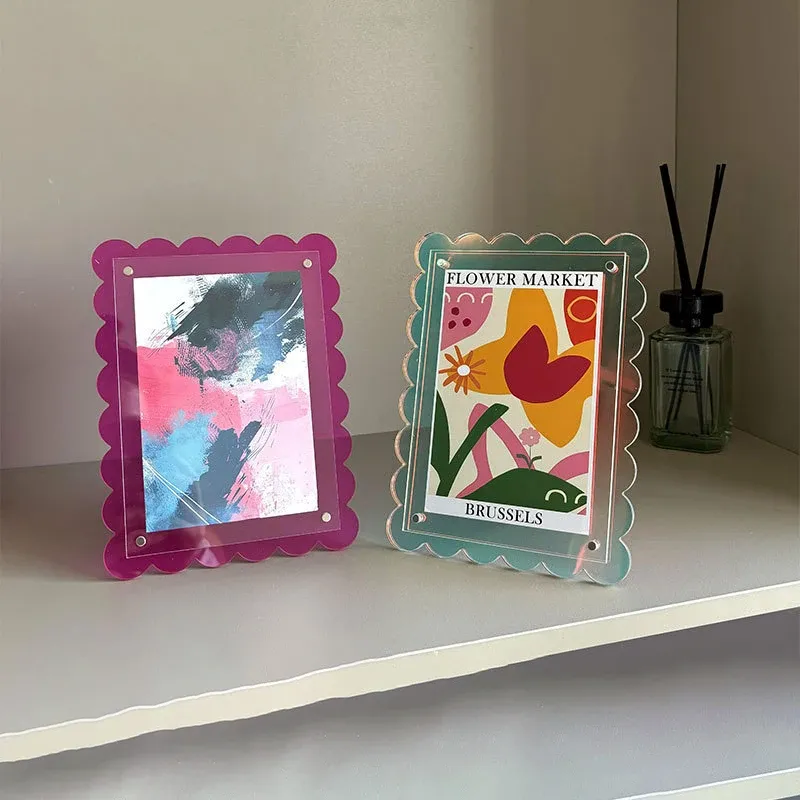
Acrylic frame design represents a revolutionary approach to display solutions that combines aesthetic appeal with exceptional functionality. These transparent frames utilize high-quality acrylic materials, also known as polymethyl methacrylate (PMMA), to create stunning visual presentations for artwork, photographs, certificates, and promotional materials. The core function of acrylic frame design centers on providing superior protection while maintaining crystal-clear visibility of displayed content. Unlike traditional glass frames, acrylic frames offer enhanced durability and safety features that make them ideal for various environments. The technological features of modern acrylic frame design include advanced manufacturing processes that ensure perfect clarity, scratch resistance, and UV protection capabilities. These frames undergo precision cutting and polishing techniques that create seamless edges and flawless surfaces. The material composition provides excellent optical properties, transmitting up to 92% of visible light, which exceeds the clarity of standard glass. Temperature resistance and dimensional stability are key technological aspects that ensure long-lasting performance in diverse conditions. Applications for acrylic frame design span numerous industries and settings. Art galleries utilize these frames to showcase valuable paintings and prints while minimizing reflection and maximizing color accuracy. Retail environments benefit from acrylic frames for product displays, promotional signage, and menu presentations. Corporate offices employ acrylic frame design for diplomas, awards, and professional certifications. Educational institutions use these frames for student artwork displays and informational posters. Healthcare facilities prefer acrylic frames for their easy cleaning properties and impact resistance. The hospitality industry incorporates acrylic frame design in hotel lobbies, restaurants, and conference centers to create elegant presentation solutions. Museums and cultural institutions rely on acrylic frames for their archival quality and conservation properties, ensuring precious documents and artifacts remain protected while remaining visible to visitors.
 EN
EN